You know that feeling when you eat something delicious and just can’t wait for it to make its way through your body? Like, you finish a slice of pizza and suddenly your stomach’s on a little adventure, right?
Well, your gastrointestinal tract is like this long, twisty slide at a water park – full of ups and downs, twists and turns. Seriously! It’s not just a simple tube; it’s an entire system doing some pretty amazing stuff.
From chomping down food to the crazy journey it takes through your belly, there’s so much going on. It’s mind-blowing! So, let’s unravel this wild ride together. Get ready to dive into the anatomy and physiology of your gut – it’s gonna be quite the trip!
Understanding the Anatomy and Physiology of the Gastrointestinal Tract: A Comprehensive Guide for Life Sciences
Sure! Let’s take a closer look at the gastrointestinal tract, right? It’s pretty fascinating how everything works together to help us digest food and absorb nutrients. So, here we go!
The Journey Begins
The gastrointestinal (GI) tract is like a long tube that starts at your mouth and ends at your rear. It includes several key players: the esophagus, stomach, small intestine, large intestine, and anus. This tube is not only about digestion but also absorption of nutrients and eliminating waste.
1. Mouth: Where it All Starts
In the mouth, food gets chewed into smaller pieces thanks to our teeth. Saliva mixes with the food, making it slippery—like adding oil to a squeaky door hinge. Saliva contains enzymes that start breaking down carbohydrates right away. When you swallow, your food slips down through the esophagus, which is basically a muscular tube connecting your throat to your stomach.
2. Esophagus: The Connector
This part doesn’t do much except push food down using muscle contractions known as peristalsis, which sounds all fancy but just means squeezing to move stuff along. Imagine giving a friend a gentle push down a slide—that’s kind of how it works!
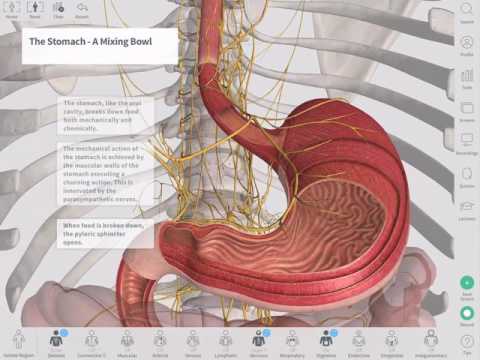
3. Stomach: The Churning Machine
Once the food reaches the stomach, things get real exciting! The stomach muscles churn everything together with gastric juices that are super acidic—like lemon juice times ten! This mix not only helps break down the food into a liquid form called chyme but also kills off nasty bacteria that might have come along for the ride.
4. Small Intestine: The Nutrient Absorber
After being turned into chyme, this gooey mixture heads into the small intestine—the real star of nutrient absorption! Now here’s where it gets cool: this long noodle-like organ (about 20 feet long!) has tiny finger-like structures called villi lining its walls. These villi increase surface area dramatically—kind of like having an enormous sponge instead of just a regular one! They help grab nutrients from what you eat and pass them into your bloodstream.
5. Large Intestine: The Final Stop
Next up is the large intestine, which is way shorter but much wider than its little sibling. Here’s where water gets reabsorbed from leftovers in our “food mush.” Picture this as closing up a raincoat after it stopped pouring—you save what you need before discarding what’s left over! Any remaining material eventually gets pushed out as waste through the anus.
6. Accessory Organs: Supporting Cast Members
Don’t forget about those behind-the-scenes helpers! The liver produces bile that aids in fat digestion; gallbladder stores bile until it’s needed; and pancreas releases enzymes to help digest carbs, proteins, and fats in the small intestine.
So there you have it—the anatomy and physiology of our gastrointestinal tract broken down without too much jargon or fluff! It’s truly remarkable how our bodies handle such complex processes daily without us even thinking about them. Next time you enjoy a meal, just remember all these incredible parts working hard for you behind the scenes!
Exploring the Seven Key Organs of the Gastrointestinal Tract: A Comprehensive Guide
The gastrointestinal tract is like your body’s very own food processing plant. This system breaks down what you eat, absorbs the nutrients, and gets rid of the waste. Let’s take a closer look at its **seven key organs** and see how they work together in harmony, or sometimes chaos!
Mouth
So, you start with the mouth. It might seem like just a gateway for food, but it’s much more! You chew your food into smaller pieces while saliva starts breaking down the carbohydrates. Kind of like prepping ingredients before cooking, right?
Esophagus
Next up is the esophagus. This muscular tube connects your throat to your stomach. When you swallow, it uses a series of wave-like muscle contractions called peristalsis to push food down. Imagine it as a slide for your food that helps it reach the next stop!
Stomach
And then there’s the stomach. Wow! This organ is super important because it churns and mixes food with digestive juices, including strong acids that help break everything down further. It can really stretch to hold about 1-2 liters of food at once! Think of it like a blender on high speed.
Small Intestine
After the stomach comes the small intestine—this one’s a doozy! It’s where most digestion and nutrient absorption happens. It’s divided into three parts: the duodenum, jejunum, and ileum. All those little villi (tiny finger-like projections) lining the walls are busy soaking up nutrients like vitamins and minerals as digested food moves through.
Liver
Now let’s chat about another superstar: the liver. This isn’t just an organ; it acts as a chemical factory too! It produces bile that helps digest fats and processes nutrients absorbed from the small intestine. Can you believe it’s also involved in detoxifying harmful substances? Talk about multitasking!
Gallbladder
Next in line is the gallbladder. This little pouch stores bile until your body needs it for fat digestion—like keeping sauce on standby for when you’re ready to feast! When fatty foods enter the small intestine, hormones signal the gallbladder to release bile so digestion can continue smoothly.
Large Intestine
Finally, we hit up the large intestine (or colon). Its job is mainly about absorbing water from leftover indigestible food matter and storing waste until it’s ready to leave your body—so yeah, pretty crucial stuff! The large intestine is shorter but wider than its smaller counterpart; think of it as the final assembly line before waste exits.
And there you have it—the seven key players in your gastrointestinal tract working hard behind the scenes every day! Together they make sure you get all those tasty nutrients from your meals while keeping everything running smoothly. Thankfully most of us don’t even realize how complex this process really is unless something goes wrong—then we definitely feel that chaos when our tummies aren’t happy!
Comprehensive Guide to Gastrointestinal Tract Anatomy and Physiology: Downloadable PDF Resource
Hey, let’s talk about the gastrointestinal (GI) tract! It’s a pretty cool system that plays a major role in how our bodies function. You know, it’s not just about eating; it’s an entire process that involves a lot of action.
To start off, the GI tract is basically a long tube, stretching from your mouth down to your butt. It includes several parts, each with its own job. Here’s the breakdown:
Mouth: This is where digestion begins. Your teeth chew up food while saliva, which contains enzymes, starts breaking it down. You might not think much of it, but this step is crucial.
Esophagus: From the mouth, food travels down this muscular tube to reach your stomach. Picture it like a slide – food just glides down!
Stomach: Once the food hits here, things get intense. The stomach churns and mixes everything with strong acids and enzymes to turn it into a thick liquid called chyme. This part’s kind of like a blender for your food!
Small Intestine: After the stomach, chyme moves into the small intestine. It stretches out quite a bit – about 20 feet long! Here’s where most of the nutrients get absorbed into your bloodstream. It’s amazing how your body can take all those vitamins and minerals right from what you eat.
Large Intestine (Colon): Anything left over that your body doesn’t need gets sent here. The large intestine absorbs water and turns waste into stool – which we all know has to go somewhere!
Anus: Yep, we’re at the end of our journey! This is where waste exits your body.
Now let’s talk about physiology, which refers to how these parts work together:
– Peristalsis: This is a fancy word for the wave-like muscle contractions that move food through your GI tract.
– Digestion: It’s not just mechanical; chemical processes are happening all along from saliva in your mouth to bile in your small intestine.
– Nutrient Absorption: Special cells in the walls of the small intestine grab nutrients like sugars and fats to send into your bloodstream.
It really hits home when you think about those moments after you’ve eaten something delicious—like that first bite of pizza or chocolate cake! Your body works tirelessly behind scenes so you can enjoy those flavors.
So that’s basically how our GI tract works: from munching on our favorite snacks to processing and eliminating waste. Isn’t it wild how complex yet efficient this system is? Anyway, if you’re ever interested in diving deeper into this fascinating world—there are tons of resources out there that break things down even more thoroughly!
So, let’s talk about your gastrointestinal tract, or, as most of us just call it, the gut. It’s like this incredible tube that starts at your mouth and ends at, well, you know where. It’s way more than just a food conveyor belt; it’s a whole ecosystem working tirelessly to keep you healthy.
I remember this one time when I was feeling pretty sluggish after eating a huge bowl of pasta. I had no idea that my body was going through an entire symphony of processes to break down that meal. Like, think about it: the moment you take a bite, your teeth start chewing up the food while saliva begins breaking down those carbohydrates. That’s just the start!
When you swallow, everything makes its way to your stomach where those acids and enzymes go to work like little warriors battling it out with proteins and fats. Sometimes I wonder if those tiny enzymes have their own little pep talks before diving into action. “Alright team, let’s break this down!”
Then there’s the small intestine – oh man – this place is where all the magic happens! It’s where nutrients get absorbed into your bloodstream. And here’s where it gets really interesting: each part of your intestines has its own job. The duodenum handles initial digestion; the jejunum is all about nutrient absorption; and the ileum… well it’s like the final checkpoint for anything that still needs processing.
And don’t forget about our good buddies, the bacteria in our large intestine! They might sound gross but these guys are crucial for digestion and for keeping us healthy overall. They help break down fibers that we can’t digest ourselves—it’s like having tiny helpers working around the clock!
You know what? It’s kind of mind-blowing how interconnected everything is in this system. If one part has an issue – whether it’s constipation or an upset stomach – it can throw everything off balance. Our gut health really affects our mood and energy levels too! Ever notice how you feel when you’re bloated or uncomfortable? It can really mess up your day!
So next time you’re munching on something delicious or even feeling a bit off after eating, take a moment to appreciate all that’s happening inside you. It’s not just food going through a machine; it’s your body performing an intricate dance to keep you functioning well—and that’s pretty cool if you ask me!