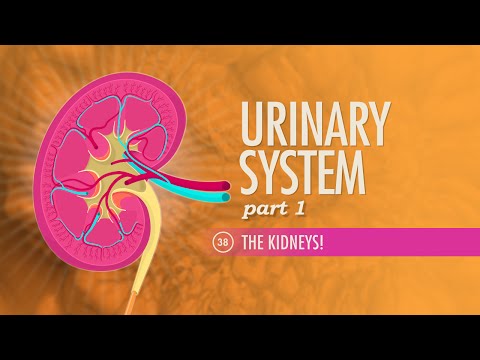
You know those awkward moments when you really gotta go, but you’re stuck in the middle of a meeting? Well, the urinary tract is kind of like that little reminder of our body’s inner workings. It’s super important, but not something we usually chat about over coffee.
Imagine this: your kidneys are like little bean-shaped superheroes, filtering out all the junk from your blood. They work hard behind the scenes, and we barely even notice! It’s wild to think about how much goes on down there without us realizing it.
So, let’s break it down. We’ll get into how everything fits together in this fascinating system that keeps us feeling fresh and clean—pun intended! You might find yourself thinking about your body in a whole new way once we see what makes up this incredible urinary tract. Ready? Let’s roll!
Understanding the Anatomy of the Urinary Tract System: A Comprehensive Guide in Human Anatomy
So, let’s talk about the urinary tract system. You might not think about it often, but it’s pretty crucial for keeping your body running smoothly. Basically, this system is all about getting rid of waste and balancing fluids in your body. You follow me?
The urinary tract consists of several key parts:
- Kidneys: These are like the filtration plants, doing most of the heavy lifting. They filter your blood to create urine by getting rid of waste and extra water.
- Ureters: Think of these as the delivery tubes from the kidneys to the bladder. They’re pretty cool because they have muscles that contract to push urine down.
- Bladder: This is where urine hangs out before you decide to pee. It can stretch to hold a decent amount, so you don’t have to rush every time you drink something.
- Urethra: This tiny tube is what actually lets you release urine from your body. It’s shorter in women than men, which is why women tend to get urinary infections more often—just a little fun fact.
Your kidneys are fascinating! Each one contains about a million tiny units called nephrons that do all the filtering work. Imagine tiny coffee filters sifting through your blood, catching stuff that doesn’t belong while letting everything good pass through.
The ureters are like those super-efficient water slides at an amusement park—well, if the slides were made of muscle! They use peristalsis, which is basically muscle contractions that push the urine along without you even thinking about it.
The bladder can expand and hold between 400-600 milliliters of urine—about one to two cups! And when it’s time to go? Well, nerve signals tell you it’s full long before you’re desperate for relief. It’s a pretty clever system!
The urethra isn’t just any tube; it has a sphincter muscle that helps control when you pee. So there’s some anatomy at play here that gives us a bit of control over our bodies—thank goodness for that! If this didn’t work well…you might be in trouble during a long movie, right?
The whole system works together seamlessly most of the time. But sometimes things go sideways—a kidney stone or a urinary tract infection (UTI) can throw everything off balance. These issues can make you feel uncomfortable or even seriously unwell!
A fun little anecdote: one time I had this awful urge to pee during a road trip and found myself stuck in traffic for what felt like forever. I couldn’t help but appreciate how my kidneys and bladder were doing their job while I was stressing out! It really made me think about how unappreciated this whole system often is.
Your urinary tract system does so much heavy lifting behind the scenes—it deserves some gratitude! It keeps us healthy by flushing out toxins and balancing fluids without us even realizing it most days.
Exploring the Scientific Name of the Urinary Tract: A Comprehensive Overview in Human Anatomy
The urinary tract is an essential part of our body that plays a crucial role in waste management. So, let’s break it down and understand it better. First off, when we refer to the urinary tract, we’re talking about the system responsible for filtering out waste from your blood and producing urine. It’s like your body’s own little waste management facility.
Anatomy Overview
The urinary tract has several key components:
- Kidneys: These are two bean-shaped organs located on either side of your spine. They filter blood to create urine.
- Ureters: Think of these as tubes that carry urine from your kidneys to your bladder. There’s one ureter for each kidney.
- Bladder: This is a muscular sac that stores urine until you’re ready to release it.
- Urethra: Finally, this tube takes urine from the bladder out of the body. In men, it also carries sperm!
To put it simply, you can imagine the kidneys as workers constantly filtering out gunk from the blood. They send this waste down the ureters into the bladder. Picture a balloon filling up with water – that’s what happens in your bladder! When it’s time, the urethra acts like a little exit ramp for all that liquid.
The Scientific Name
Now let’s talk names for a sec! The scientific name for the whole urinary tract is derived from Latin and Greek roots. It might sound fancy but here goes:
– **Renal:** Related to kidneys (from “ren” in Latin).
– **Ureteral:** Referring to ureters.
– **Cystic:** Pertaining to the bladder (cystis in Greek means “sac”).
– **Urethral:** Associated with urethra.
When you put them together, “renal system” can be used interchangeably with “urinary tract,” though they might emphasize different aspects.
Certain Functions
You might be thinking why should one care about this? Well, understanding how these parts work together helps highlight their functions:
- Filtration: The kidneys filter out toxins and excess substances from your bloodstream.
- Storage: The bladder holds onto urine until we decide to let go.
- Excretion: The whole process ends when urine leaves through the urethra.
This system is pretty ingenious! Like taking out trash after organizing your room – everything has its place until you’re ready to deal with it!
Anecdote Time!
I remember being a kid and being totally fascinated by how my body worked. I once asked my mom where pee comes from during dinner (definitely not the best timing!). She tried explaining how everything was like plumbing – she said kidneys are like filters at a water plant—totally blew my mind! Now I see she was onto something because our bodies really do have an amazing plumbing system when you think about it.
So yeah, exploring this system gives us not just an appreciation of human anatomy but also insight into how we stay healthy. If something goes wrong in any part of this urinary tract, well, we can end up feeling pretty crummy or have serious health issues.
In short, knowing about our urinary tract isn’t just good trivia; it’s crucial for understanding our health!
The Science of Urination: Understanding Physiology and Mechanisms Behind Urinary Function
So, let’s chat about something we all do but rarely discuss—urination. Yup, that’s right! The science of urination is way more interesting than it might sound at first. It’s not just about taking a bathroom break; it’s a complex process that involves intricate mechanisms in our body.
First off, let’s talk about the **anatomy** of the urinary tract. You know, this is kind of like the plumbing system of your body. It includes:
- Kidneys: These are two bean-shaped organs located on your back, just below your rib cage. They filter blood and produce urine.
- Ureters: Thin tubes that carry urine from the kidneys to the bladder.
- Bladder: A stretchy bag that holds urine until you’re ready to pee.
- Urethra: This is the final tube that lets urine exit your body.
Now, how does this whole system work? Well, it starts with your kidneys doing their magic. They filter out waste and excess substances from your blood. At this point, they’re producing urine—a mix of water, salts, and urea (which is a waste product). Isn’t our body clever?
Once urine is formed in the kidneys, it travels down those ureters into the bladder. Picture this: when you drink fluids or even eat certain foods like watermelon or cucumbers (yes, they count!), your body produces more urine. As the bladder fills up—think balloon—you’ll start feeling that urge to go.
Now here’s where things get super interesting: **the nervous system** plays a big role in telling you it’s time to empty your bladder. When it gets full enough—about half a liter—it sends signals through nerves to your brain saying “Hey! Time to find a restroom!” The cool part? Your brain can control when you go, giving us humans a bit more control over this natural process compared to some other animals.
But wait! What about those moments when you’re stuck in traffic or during an intense movie scene? You might feel like bursting but manage to hold it in for just a bit longer. That’s because of those **sphincter muscles** around the urethra helping keep everything in check until you’re ready.
When you finally make it to the loo and let it all go—that’s called urination or micturition if we want to be fancy about it! The bladder contracts while those sphincter muscles relax. Think of it as teamwork happening inside you—an orchestrated function that happens so smoothly most people don’t even think twice about it.
Interestingly enough, urination can also tell us a lot about our health. Ever notice changes in color? Dark yellow might indicate dehydration while clear could mean you’re well hydrated or even overhydrated! It’s like having an inside scoop on how well you’re taking care of yourself.
So there you have it—the fascinating science behind urination isn’t just about relieving yourself; it’s an essential bodily function involving several organs working together seamlessly. Next time nature calls and you’re on the go—take a second to appreciate all that’s happening under the surface!
So, the urinary tract might not be the most glamorous topic out there, but it’s super important for keeping our bodies in check. You know how we drink water and eat food? Well, all that stuff has to go somewhere. That’s where the urinary tract comes in, and honestly, it’s a bit of a hero in the background.
Let me paint you a picture—imagine being on a long road trip without any bathroom breaks. Yikes, right? Eventually, you’d be bursting to go! Your body works like that too. When we consume fluids or food, our kidneys jump into action. They filter out waste from our blood and turn it into urine. It’s like they’re tiny little superheroes saving us from sludge building up inside!
Now, let’s break it down a bit. The urinary tract consists of a couple of key players: the kidneys; ureters; bladder; and urethra. The kidneys are kind of like those amazing coffee filters that trap all the bad stuff while letting the good stuff flow through. They filter about 50 gallons of blood every day—can you even imagine that? Then you’ve got these tubes called ureters that carry the filtered stuff (pee) from your kidneys to your bladder.
And oh man, when your bladder fills up… it sends signals saying “Hey! Time to empty me!” That feeling is something everyone knows all too well! But did you know our bladders can actually hold around 16 ounces before they start sending out those urgent messages?
Then there’s the urethra—the final stop for urine before it’s set free into the world. For men and women, this part differs quite a bit in length which is pretty interesting if you think about it!
I remember once during a camping trip I drank way too much soda by mistake and then found myself looking for bushes just so I could relieve myself under the stars—definitely not my most graceful moment! But hey, we’ve all been there in some form or another.
The truth is our urinary tract does an incredible job of maintaining balance within our bodies. It’s always working to get rid of what we don’t need while keeping everything else just right. So next time you’re running to the bathroom after downing that giant glass of water, take a moment to appreciate this unsung system doing its thing behind the scenes! It might not be glamorous—but trust me when I say it’s one vital piece of machinery keeping us healthy and happy!