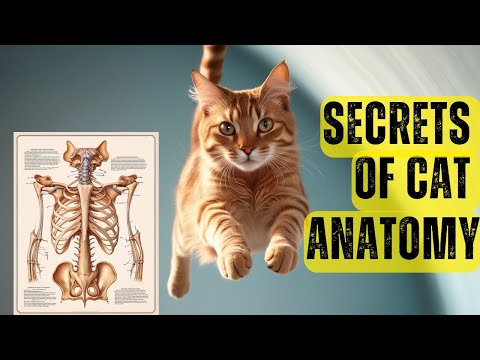
Ever tried to get comfy on the couch, only to find your cat has claimed the best spot? Classic, right? Those little furballs have a knack for snagging our cozy spots. But, like, have you ever wondered how they can twist and turn their tiny bodies like that?
Seriously, cats are like little ninjas. Their anatomy’s all about stealth and flexibility. And it’s not just their acrobatics that are impressive; it’s their senses too! You know they can hear sounds we can’t even imagine? That’s just one of the many cool things going on under that fluffy exterior.
Let’s take a peek at what makes our feline friends so fascinating—from their whiskers to those magical sharp claws. It’s wild! You’ll see there’s way more than meets the eye when it comes to house cats.
The Golden Rule of Cats: Understanding Feline Behavior Through Scientific Principles
Cats are some of the most fascinating creatures on the planet, right? Their behavior can sometimes seem like a mystery, but there’s actually some solid science behind it. One key aspect that cat owners should know is the **Golden Rule of Cats**: “Cats are not small dogs.” This means their behavior and needs are pretty different from what you might expect if you’re used to dogs.
First off, let’s talk about feline physiology. Cats have been designed by nature to be **solitary hunters**. Unlike dogs, which have evolved from pack animals and thrive on group dynamics, felines are more independent. Their body structure reflects this: they’ve got flexible spines and retractable claws that help them sneak up on their prey. Just imagine how a house cat stalks a toy mouse—it’s in their blood!
Understanding Feline Behavior:
- **Territorial Instincts**: Cats are territorial beings. They often mark their space with scent glands located on their cheeks and paws. So, when your cat rubs against you or the furniture, they’re claiming it as theirs! It’s like saying, “Hey buddy, this is my turf.”
- **Play vs. Hunting**: When cats play, they often mimic hunting behaviors. Think about how a kitten pounces on a feather toy; it’s honing its hunting skills while having fun! This play helps them stay sharp and fit.
- **Vocalization Styles**: Have you noticed how your cat has different meows for different situations? They’ve got this incredible range of sounds—some soft and sweet for begging or demanding attention, while others can be loud and warning-like when they feel threatened.
Let’s chat about **body language**, ’cause that’s super important too! You know when your cat flicks its tail? That can mean so many things depending on its position and movement speed. A slow swish might indicate curiosity or contentment, while quick flicking could mean agitation or annoyance. It’s kind of like reading between the lines—or in this case, tails!
Sensory Superpowers:
Cats’ senses also play a huge role in their behavior! They don’t just see differently—they perceive the world in unique ways that impact how they interact with us.
- Hearing: Their hearing is way better than ours; cats can detect higher frequencies than humans can even imagine! This makes them excellent at picking up sounds made by small creatures—a talent you often see when they go all “feline ninja” during a hunt!
- Smell: A cat’s sense of smell is around 14 times stronger than ours! This affects everything from choosing where to sleep to deciding whether another cat is friend or foe.
Now here comes an emotional bit—I’ll never forget my friend Lucy’s cat Mittens. Mittens was oddly aloof but then would curl up next to Lucy every night without fail. Over time, Lucy learned that Mittens wasn’t just seeking warmth; she was showing her trust in Lucy as her human companion—an incredible bond formed through understanding feline behavior!
So basically? Understanding your cat means understanding what it really wants and needs beyond just food and pets. Their natural instincts shape everything from social interactions to how they want to play with you.
In essence, if you can crack the code behind those little quirks—like why they knock things off tables (seriously though!)—you’ll build a more enriching relationship with your furry friend. Isn’t learning about our pets just the best?
The Science Behind House Cats: Understanding Feline Behavior and Biology
Alright, let’s talk about our fuzzy little friends—house cats! Seriously, these creatures are more than just cute furballs lounging around. There’s a whole world of feline behavior and biology behind those big eyes and purring sounds.
First off, a cat’s body is like a well-oiled machine. Take a moment to appreciate their anatomy. Their bones are lightweight and flexible, which helps them be super agile. Cats have these really unique shoulders that allow their front legs to move independently. This lets them sneak up on prey without making a sound. And, can we talk about those claws? They’re retractable! That means your cat can keep them sharp for climbing or catching things but hide them away when it’s time to chill.
Now onto their senses—wow! Did you know cats have an incredible sense of smell? It’s estimated to be about 14 times stronger than ours. This sniffing prowess helps them identify food, other animals, and even recognize human scents! And let’s not forget about hearing; they can pick up high-frequency sounds that are pretty much invisible to us humans. It’s like they have built-in superhero powers!
But what really makes cats tick? Their behavior tells us a lot about who they are. For example:
- Purring: Many folks think this means your cat is happy, but sometimes they’re purring when they’re anxious or in pain too.
- Playfulness: Kittens get obsessed with playtime because it mimics hunting behavior. Even older cats still love the chase; it keeps their instincts sharp!
- Tail Positioning: Ever noticed how your kitty’s tail moves? A straight-up tail usually means they’re feeling confident and friendly. A puffed-up tail? Yeah, they’re likely feeling threatened or scared.
Cats also have some quirky social structures! They might seem solitary at times, but in reality, many cats build complex relationships with each other and even with us humans! You might see your cat grooming another cat or bringing you “gifts” (like that poor mouse they caught). It’s their way of showing affection or sharing something important—totally heartwarming!
You know what else is interesting? Their communication skills! Cats use vocalizations—meows, hisses, chirps—to express themselves differently at various ages or situations. A kitten will meow more often than an adult because they’re trying to get your attention (smart little things!). In contrast, adults tend to use body language more often than vocal sounds when communicating with each other.
Here’s something to ponder: Have you ever seen your feline friend knead on soft surfaces? This adorable behavior comes from kittenhood when they knead their mother’s belly to stimulate milk flow. Even as adults, it’s still comforting for them—a bit of nostalgia!
The thing is—cats are incredibly fascinating creatures full of quirks and surprises that reflect both their biology and behavior. Next time you’re cuddling with your furry friend or watching them do something silly, remember there’s so much going on beneath all that fluff!
Feline Physiology: Understanding House Cat Anatomy – A Comprehensive PDF Guide
Okay, let’s chat about the fascinating world of feline physiology. You know, our adorable little house cats are way more than just fluffy companions. Their anatomy is super interesting and unique!
First off, have you seen how agile they are? That’s mainly thanks to their flexible spine. Unlike our spines, which have a bunch of fused bones, a cat’s spine has more vertebrae and flexibility. This lets them twist and turn in mid-air when they jump. Ever seen a cat land on its feet? It’s called the righting reflex, where they use their highly developed vestibular system to figure out up from down.
Another cool thing is their claws. Cats have retractable claws that help them climb and catch prey without wearing them down on hard surfaces. This also means they can sneak up on you like ninjas when they’re in the mood to play! Oh, and they don’t just use these claws for hunting; scratching helps keep them healthy by shedding old claw layers.
And let’s not forget about the senses. Felines have an incredible sense of smell—way better than ours! They have around 200 million smell receptors in their noses compared to our mere 5 million. This makes them excellent hunters because they can follow scents easily. But wait, that’s not all! Their eyes are specially adapted for low-light conditions too. Thanks to a layer called the tapetum lucidum, cats can see well in the dark, aiding their nighttime adventures.
Speaking of adventures, let’s talk about their whiskers! These long sensory hairs are more than just cute accessories; they help cats navigate tight spaces and feel their surroundings. Whiskers can detect changes in airflow, allowing them to understand what’s nearby—even in the dark!
Now, onto their awesome circulatory system. Cat hearts are like tiny powerhouses! They beat at a rate of 140-220 beats per minute—much faster than ours—allowing for fast circulation throughout those sleek bodies.
Also important is their digestive system. Cats are obligate carnivores, meaning they pretty much need meat to thrive. Their stomachs produce strong acids that break down protein efficiently. It’s crucial for energy and overall health, so if your kitty is turning picky with food – it could be more serious than just being fussy!
And here’s something unexpected: did you know that domesticated cats can actually purr? Yeah! Purring isn’t just about contentment; it’s also thought to be a way for cats to heal themselves or calm down when stressed.
So there you go! A whirlwind tour of cat anatomy that shows how perfectly adapted these creatures really are. Whether it’s climbing trees or lounging lazily in sunbeams, there’s a lot more going on beneath that fluffy exterior than you might think!
You know, cats are such curious little creatures, right? Just the other day, I was watching my friend’s cat, Luna, chase a sunbeam across the floor. I couldn’t help but marvel at her grace and agility. Seriously, it got me thinking about all the fascinating stuff going on in her body that lets her pull off these impressive moves.
So, let’s chat about feline physiology—basically how their bodies work. First off, did you ever notice how cats seem to have this incredible flexibility? They can twist and turn like they’re made of rubber! That’s thanks to their unique skeletal structure. Cats have extra vertebrae in their spines compared to us humans. This gives them that amazing ability to crouch low or leap high with ease.
And then there’s their muscles. Oh man, those guys are like nature’s little athletes! A cat’s muscles are designed for quick bursts of energy rather than endurance. When Luna dashes after that elusive red dot from a laser pointer, she’s using fast-twitch muscle fibers that give her those sudden sprints and powerful jumps.
But it’s not just about bones and muscles! Their senses are something else too. Cats have really cool eyes that can see in low light better than ours can. It’s like they’re part-time night vision goggles! That helps them hunt during dawn or dusk when most of their prey is active.
I remember one rainy afternoon when I thought I’d surprise Luna with a new toy—a feather wand. She pounced on it with such precision; watching her was like witnessing a mini wildcat in action! Her sharp claws allow for silent movement, perfect for sneaking up on anything that moves.
Let’s not forget about their whiskers either! Those long hairs aren’t just for show; they help them gauge spaces and navigate around objects in the dark. It’s like they have built-in measuring tools!
All these elements come together to create this amazing little predator we call a house cat. It makes you appreciate just how specialized they are despite lounging around all day—what lazy hunters!
So yeah, next time you’re petting your cat or watching them do something goofy (like trying to squeeze into an impossibly small box), remember there’s some pretty cool science behind all of it. Our furry friends might act all aloof sometimes but underneath all that fluff is an efficient little machine designed by nature itself!