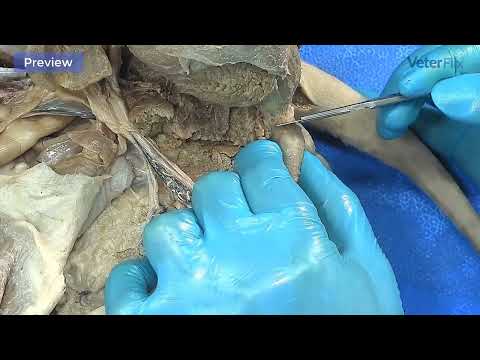
You know what’s funny? Cats can squeeze through spaces that seem way too small for them, right? Like, how do they do that without losing a limb? Well, it all comes down to their super flexible bodies.
But there’s more to it than just being bendy. Ever thought about the anatomy beneath all that fluff? Feline pelvic anatomy plays a huge role in their agility and grace.
So, let’s chat a bit about how this impressive structure works—like a secret behind their mysterious ways. I promise, it’s more interesting than it sounds! You’re gonna see cats in a whole new light.
An In-Depth Study of Cat Pelvis Anatomy: Insights for Veterinary Science and Animal Biology
So, let’s chat about something that might sound a bit niche but is super cool: cat pelvis anatomy. This part of their body isn’t just there for looks; it plays a massive role in their overall health and movement. Understanding the cat’s pelvis can really help our furry friends in veterinary practices and even in research.
The feline pelvis is like a unique puzzle. It consists of several bones that come together to form a structure crucial for walking, running, and even having kittens. The main bones include:
- Ilium: The large flared bones at the back. They’re kinda like wings, giving stability.
- Ischium: These are the sit bones! They support weight when your kitty relaxes.
- Pubis: This bone forms part of the pelvic floor and helps in reproductive functions.
- Sacrum: A key piece connecting the spine to the pelvis and providing strength.
You know what’s fascinating? The shape of a cat’s pelvis is different from many other animals! It’s narrower, which helps them squeeze through tight spots when they’re hunting or playing—just like they love to do! That’s right; those agile jumps and flips? The pelvis plays a huge part in that!
Now, let’s talk about some important aspects of pelvic anatomy that veterinarians pay attention to. A strong understanding of this area can lead to better diagnostics when it comes to injuries or diseases:
- Dysplasia: This is where the bones don’t fit together perfectly. In cats, this can lead to hip problems over time.
- Fractures: Injuries can happen during rough play or accidents. Knowing precisely how the pelvis works can aid in treatment plans.
- Aging Changes: Just like us, older cats may experience changes that affect their mobility, so vets need to check these areas regularly.
I remember my friend once had a rescue cat named Luna. She had some mobility issues due to an old injury in her pelvis. After checking with the vet who explained everything about her anatomy, they figured out just how they could help her live more comfortably with some tailored exercises and meds. It was really incredible to see how knowledge made such a difference!
The pelvic area also plays an essential role during reproduction—especially for female cats. When she goes into labor, her pelvic structure needs to accommodate tiny kittens coming into the world! Isn’t nature clever?
This deep dive into feline pelvic anatomy may seem technical at times—but don’t forget—it all comes back around to keeping our beloved cats happy and healthy. Armed with this info, veterinarians can provide better care for our furry companions while also pushing forward animal biology as a whole!
Understanding Cat Pelvis Anatomy: Insights from X-Ray Imaging in Veterinary Science
So, let’s chat about cat pelvis anatomy. It might sound a bit technical, but once you break it down, it’s pretty interesting! The pelvis is like the foundation of a cat’s body. It supports everything above it and connects their hind limbs, which are super important for jumping and running.
When vets need to take a closer look at a cat’s pelvis, they often use X-ray imaging. This technique can really help in understanding any injuries or issues. An X-ray shows us clear images of the bones, and for feline anatomy, that means you get to see the ilium, ischium, and pubis. These are the three main bones that make up the cat’s pelvic girdle.
- Ilium: This is the largest bone and sits at the top of the pelvis. Think about it as kind of like a big shield protecting those internal organs.
- Ischium: These are located at the back, where your kitty might sit on if they could think about it! They’re what your cat rests on when lounging around.
- Pubis: You’ll find this bone at the front part of the pelvis. It’s quite small compared to others, but it plays its part in safety and stability.
You know how sometimes you hear stories about injured cats? Well, that’s where an understanding of their pelvis becomes really handy for vets when diagnosing problems. For instance, if a cat has trouble walking or jumping onto its favorite windowsill spot – you know how much they love watching birds! – an X-ray can reveal fractures or dislocations that could be causing them pain.
Plus, understanding these bones helps with surgical procedures too. If your vet needs to do something like fix a broken pelvis, knowing exactly where everything is can seriously save some heartache down the road.
And get this: interestingly enough, male cats generally have more robust pelvic bones compared to female cats. That’s partly due to their size differences—males tend to be larger overall—but also because they have different roles in reproduction.
So yeah! Cat pelvis anatomy might not be something folks consider every day (unless you’re deep into veterinary science). Still, it’s fascinating how those bones play such an essential role in their daily lives and how we can rely on technology like X-rays to understand them better!
Understanding Normal Cat Pelvis X-Rays: A Comprehensive Guide for Veterinary Radiology
Alright, let’s chat about cat pelvis X-rays. It sounds pretty technical, but it’s super interesting once you break it down. You know how tricky these little furballs can be? They can hide injuries really well, so understanding their pelvis through X-rays is key. Pelvic anatomy helps vets diagnose issues like fractures or hip dysplasia.
The cat’s pelvis is made up of several parts: the ilium, ischium, and pubis. Imagine the pelvis like a bowl supporting the spine and hind legs. When you look at an X-ray of a cat’s pelvis, you want to identify these parts to rule out any abnormalities.
- Ilium: This is the upper part of the pelvic bone. It looks like wings on an X-ray! It’s important for muscle attachments and stability.
- Ischium: Located at the rear, it resembles a “U” on your X-ray view. If there’s a fracture here, it might affect mobility significantly.
- Pubis: This part forms the front section of the pelvis. It’s crucial for weight distribution when your kitty walks or runs.
X-rays show these structures clearly when positioned correctly. But here’s where it gets interesting: the positioning matters! If you don’t get that angle just right, you could miss something important or misinterpret what you’re seeing.
The images also highlight joints like the hip joint, which connects each hind leg to the pelvis. Observing how these joints look helps diagnose conditions such as arthritis or developmental issues. You might actually see changes in bone density or formation that signal trouble.
One emotional moment I recall was when a friend’s cat had been limping for weeks but showed no signs of pain otherwise. An X-ray revealed a hidden fracture in her hip joint! The vet managed to treat it; she was back to chasing laser dots before we knew it!
A normal pelvic X-ray will typically show clear outlines with symmetrical features. If there’s any irregularity—like asymmetry or unusual shapes—those are red flags for veterinarians.
- Subluxation: A term used when bones aren’t properly aligned in joints.
- Boney callus: A potential sign of healing from previous fractures could indicate past injuries affecting current health.
If you’re looking at your cat’s X-ray yourself (which would be rare!), remember that subtle differences can matter tremendously in diagnosis and treatment plans. And honestly, interpreting an X-ray takes practice; it’s why vets train for years!
The key takeaway? Understanding cat pelvic anatomy through their X-rays gives valuable insights into their health status—helping ensure our furry friends remain happy and active companions!
Alright, let’s chat about feline pelvic anatomy. I know, right? It might sound like a super niche topic, but it actually has a lot of implications for our furry friends and those who take care of them.
So, picture your cat lounging in the sun, all fluffy and calm. You don’t really think about what’s going on inside that little body, do you? But the feline pelvis plays a big role in their overall health. Like, if a cat gets into an accident or has some kind of issue down there, understanding their pelvic anatomy can really help vets diagnose and treat them.
For instance, female cats have this unique structure that allows them to give birth. The pelvis is wider in females than in males to accommodate those cute little kittens. Isn’t it wild to think about how their body is designed for reproduction? Male cats have differently shaped pelvic bones that are more suited for their lifestyle—like climbing or defending territory.
I remember the first time I saw a veterinary procedure involving a cat’s pelvis. The vet was explaining how important it was to know the angles and sizes of the bones when doing surgeries or assessing injuries. It all seemed pretty intricate! And honestly? A bit nerve-wracking! But that day I realized how crucial knowing these details can be—especially when it comes to ensuring our pets live long and healthy lives.
Now let’s talk about injuries! Cats are adventurers by nature. They’ll jump from high places or sneak through tight spaces—often leading to pelvic fractures or dislocations. If a vet knows exactly what they’re dealing with anatomically, they can make decisions faster and more effectively during treatment.
So yeah, while feline pelvic anatomy might not be the most glamorous topic at first glance, it plays an essential role in veterinary science and the health of our beloved pets. There’s something beautiful about understanding how nature equips animals with what they need for survival—and as pet owners, keeping that knowledge close helps us care for them better in every way possible!