So, the other day, I was sipping my coffee and scrolling through my phone when I stumbled upon this wild fact. Did you know that every year, about 8 million tons of plastic end up in our oceans? Like, that’s enough to fill five garbage trucks every minute! Crazy, right?
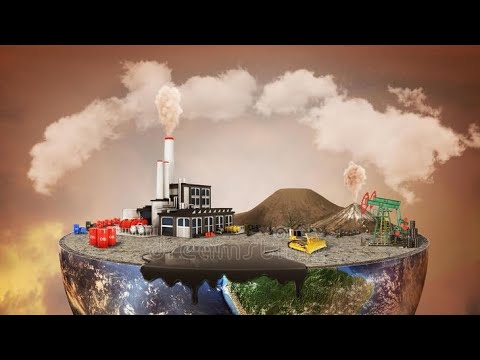
Anyway, let’s chat about anthropogenic pollution. You know, the kind that we humans are responsible for? It’s like we’ve opened a Pandora’s box for our planet.
From smoggy cities to overflowing landfills, it feels like everywhere you look there’s a hint of pollution lurking around. Seriously, sometimes it’s hard not to feel overwhelmed by it all.
But what’s the real deal with all this mess we’re making? What does it mean for us and the world? Grab your favorite snack—because this topic is both heavy and super fascinating!
Understanding Anthropogenic Pollution: Key Examples and Their Impact on Environmental Science
Anthropogenic pollution is a big term that basically means pollution caused by human activities. It’s like when we leave our messy fingerprints all over the planet, and unfortunately, these fingerprints can be pretty harmful. Understanding this kind of pollution is crucial for figuring out how we can make things better for our environment.
So, let’s break it down a bit. There are several key types of anthropogenic pollution:
- AIR POLLUTION: Think about all those cars on the road or factories puffing smoke into the sky. This stuff releases gases like carbon dioxide and sulfur dioxide. These pollutants can lead to health problems and contribute to climate change.
- WATER POLLUTION: Ever thrown something in a river or ocean? Well, when industries dump waste into water bodies, it harms aquatic life and can make water unsafe for us too. Remember the images of oil spills? Those are harsh reminders of how careless we can be.
- SOIL POLLUTION: Sometimes we think about air and water but forget about soil. Pesticides and chemicals from agriculture seep into the ground, affecting not just crops but also organisms living in the soil.
- PLASTIC POLLUTION: You know that feeling when you see a plastic bag stuck in a tree? Yeah, it’s pretty sad. Plastics don’t decompose easily; they stick around for hundreds of years! They pose a danger to wildlife who might accidentally ingest them.
You might be wondering why this all matters so much. Well, just take a moment to picture your childhood park or beach—the places where you played or relaxed. Now imagine them filled with trash or coated with smog. It makes you feel uneasy, right? That’s what many ecosystems are facing today because of anthropogenic pollution.
Now let’s talk about the impacts—this is where things get serious. Pollutants affect not only nature but also our health and well-being:
- HUMAN HEALTH: Breathing in polluted air can lead to respiratory issues, heart diseases, or even cancer.
- ECOLOGICAL BALANCE: Pollution disrupts food chains and habitats. For example, if fish die off due to polluted waters, everything that relies on those fish feels the consequences too.
- BIOLOGICAL DIVERSITY: Many species struggle to survive in polluted environments; some even go extinct! Less biodiversity means less resilience against changes in climate.
- EFFECTS ON CLIMATE CHANGE: Greenhouse gases from human activities trap heat in our atmosphere—leading to global warming!
So yeah, anthropogenic pollution is more than just an environmental issue; it’s interwoven with social justice too. Those who often bear the brunt of pollution are communities that have fewer resources to deal with these impacts.
In short, anthropogenic pollution isn’t going anywhere unless we start taking responsibility. It’s crucial for you—or anyone—to understand how your actions impact the planet every day! From reducing waste at home to advocating for cleaner energy solutions in your community—every little bit counts!
Exploring the Global Impact of Pollution: Scientific Insights into Environmental Degradation
Pollution is everywhere, and it affects us all. Seriously, take a minute to look around. You might see a plastic bottle by the curb or smog hovering above a city. It’s like this invisible blanket that, while we can’t always see it, is causing some serious issues for our planet.
Not too long ago, I was walking along the beach when I stumbled upon an entire section of sand filled with trash. There were cans, wrappers, and those pesky little bits of plastic that seem to multiply overnight. It hit me how much our daily habits can change an entire ecosystem. That’s pollution for you—it’s not just a problem for faraway lands; it’s right in your face.
So let’s break this down a bit. Pollution mainly comes from human activities -that’s what we call anthropogenic pollution. Think about driving cars or factories releasing smoke into the air as major contributors. What does all this mean? Well, the effects are staggering.
- Air Quality Deterioration: Have you noticed how cities sometimes have those horrible haze days? That’s pollution affecting air quality, which can lead to health problems like asthma or even heart disease.
- Water Contamination: Our rivers and oceans are not just pretty sights; they’re vital to life! When factories dump waste into water bodies, it harms fish and other organisms. Even drinking water can get polluted with harmful chemicals.
- Soil Degradation: Chemicals used in agriculture often seep into the ground and make it less healthy for plants to grow. This might not seem like a big deal at first glance, but it impacts food production.
- Biodiversity Loss: Ever heard of that sad statistic where we’re losing species at an alarming rate? Pollution is one of the big culprits here! Animals can’t adapt quickly enough to changes in their habitats caused by toxic waste.
Let’s talk about climate change too because that’s another beast tied up with pollution. Greenhouse gases from burning fossil fuels trap heat in our atmosphere—like putting on an extra sweater on a already warm day! This leads to global warming, affecting weather patterns and ice caps melting.
But here’s where things get real: all these effects don’t just happen separately; they intertwine like vines climbing up a tree trunk! For instance, when air quality goes down, people stay indoors more often—leading to increased energy use and consequently more pollution from power plants.
The reality is somewhat sobering: communities with limited resources often suffer the most from pollution effects due to lack of infrastructure or access to clean resources. That beach I mentioned? It was part of a community working hard but struggling against overwhelming odds posed by environmental degradation.
You got questions about solutions? Well, there are no magic fixes overnight—but small changes collectively make a difference! From reducing plastic use to encouraging cleaner energy sources—every bit counts!
In wrapping this up (not too tightly though), remember that while pollution feels like this mammoth problem looming over us all, understanding its roots and consequences helps us tackle it better together. The fight against pollution starts with awareness—and maybe even picking up that plastic bottle next time you see one on your walk!
Exploring the Three Major Anthropogenic Sources of Air Pollution: A Scientific Overview
Sure! Let’s talk about air pollution, focusing on the three main human-caused sources that really make a splash in our atmosphere. It’s kind of a big deal, you know?
1. Transportation: This is one of the biggest culprits. Think about it: cars, trucks, buses – they all emit a lot of nasty stuff into the air. When you’re stuck in traffic and see those exhaust fumes puffing out, that’s carbon monoxide and nitrogen oxides mixing with the air. This can lead to smog and respiratory problems for folks living nearby. Plus, let’s not forget about planes! They’re flying high but still leaving their mark on our planet.
2. Industry: Factories can be powerhouses for pollution too. They release various chemicals as byproducts during production processes. For instance, manufacturing plants may emit sulfur dioxide and particulate matter into the atmosphere. These pollutants can create acid rain, which messes up our lakes and forests. There was this one time I visited a place near an industrial area; the sky looked grayish, and I could literally feel a heaviness in the air—it was uncomfortable!
3. Agriculture: You might think farming is wholesome and clean, but it comes with its own set of challenges for air quality. The use of fertilizers releases ammonia into the air. And don’t get me started on methane from livestock; cows produce quite a bit as they digest their food! This potent greenhouse gas contributes to climate change by trapping heat in our atmosphere.
So there you have it! The three major anthropogenic sources of air pollution are transportation, industry, and agriculture—all playing a role in affecting not just our health but also our environment globally.
Air pollution isn’t just something to read about in textbooks; it’s something we live with daily—kind of sobering when you think about all the ways we contribute to it without even realizing sometimes!
You know, pollution is one of those things we often take for granted. I mean, you see it everywhere, right? But sometimes it hits harder than you expect. I remember walking along a beach a few years ago, trying to enjoy some sun and surf, when I spotted a bunch of plastic washed up on the shore. It was like a slap in the face, seeing all that trash ruining such a beautiful place.
So, anthropogenic pollution—sounds fancy, huh? Basically, it’s just the stuff we humans put into our environment that shouldn’t be there. Think industrial waste, car emissions, plastics… you name it. It’s like we’re leaving trash in places that should be pristine! And the thing is, this stuff doesn’t just disappear; it causes real problems for our planet.
For starters, let’s talk about air pollution. When we burn fossil fuels—like gasoline or coal—we release tons of harmful gases into the atmosphere. You might think: “Oh well, I can’t see it.” But trust me; it’s not invisible. These gases contribute to climate change and can lead to health issues too—like asthma or heart problems. I mean, have you ever heard someone wheezing just from trying to catch their breath?
Then there’s water pollution. Remember that beach I mentioned? That plastic doesn’t just ruin your day at the shore; it ends up messing with entire marine ecosystems! Fish and other sea creatures choke on plastics or get tangled up in them. Plus, those chemicals in waste can seep into our drinking water supply too! Yikes!
And let’s not forget about soil contamination either! When pesticides and chemicals get into the ground—thanks to agriculture or dumping—they change everything about the soil’s health. It might sound boring but think about crops relying on healthy soil to grow; if it’s polluted, what are we eating?
You really have to wonder: what future are we leaving behind for generations to come? If we don’t start taking this seriously now… well, let’s just say our planet might become a shadow of its former self.
Honestly though? There’s still hope! People are becoming more aware of these issues every day. Innovations in technology and shifts towards sustainability show that change is possible. It takes effort from all of us—a little bit of collective responsibility can go a long way!
So next time you’re out and see litter or hear about smog levels rising somewhere nearby, take a moment to think about how you fit into this puzzle called Earth. We’ve got one shot at this beautiful planet—it’d be nice if we didn’t mess it up too much along the way!