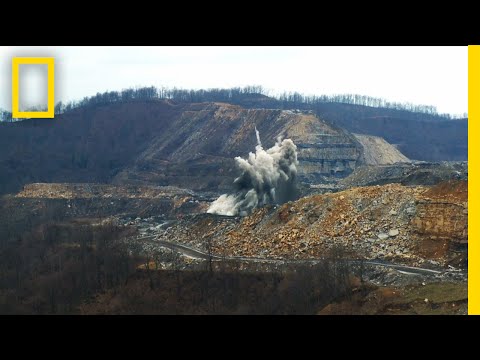
You know that moment when you drop your ice cream cone on the floor? Total bummer, right? But it’s nothing compared to what happens when we mess up Mother Nature.
Mining pollution is a huge deal. I mean, it’s like taking a giant scoop of dirt and throwing it all over our planet’s beautiful landscapes. You might think, “What’s the big deal about some rocks?” Well, hang on a sec!
The thing is, mining isn’t just about digging up shiny metals or those cool minerals we all love. It creates a bunch of problems that sneak into our air and water. Seriously, it’s like an unwelcome guest that crashes the party and then spills soda everywhere!
So yeah, let’s take a closer look at how mining changes the game for our environment—and why we should be paying attention to this messy issue.
Exploring the 7 Key Environmental Impacts of Mining: Insights from Environmental Science
Mining is a major industry that plays a huge role in our economy, but it comes with some serious environmental consequences. You know, every time we dig into the earth for resources like gold, coal, and copper, we might be getting what we need for our gadgets and cars, but what happens to nature? Let’s break down some of the key environmental impacts of mining.
1. Habitat Destruction
When you start mining somewhere, it’s like tearing up a patch of forest or land. Trees get cut down, animals lose their homes, and ecosystems go through big changes. Think about it—once a site is stripped bare for minerals, it’s really hard for it to bounce back.
2. Water Pollution
Mining can seriously mess with local water sources. Heavy metals and toxic chemicals from mining operations often find their way into rivers and lakes. This pollution can poison fish and other wildlife. For instance, in some areas of the U.S., streams have been contaminated by runoff from mining activities.
3. Soil Degradation
The soil gets damaged too! When land is disturbed for mining, it can lose its structure and nutrients. This makes it tough for plants to grow back later on. Plus, the erosion that often follows means even more soil gets swept away.
4. Air Pollution
Dust from mining sites carries harmful particles into the air we breathe. Some mining practices release gases that contribute to climate change or even acid rain! You might have heard about coal mines releasing bigger amounts of carbon dioxide—yep, that’s a real issue.
5. Noise Pollution
Let’s not forget the noise! Mining operations involve heavy machinery that creates loud sounds all day long. This noise pollution can disturb wildlife patterns and even affect how animals communicate with each other.
6. Chemical Spills
In some cases, spills happen when toxic substances are accidentally released during extraction processes or transportation. These spills can lead to long-term damage in surrounding environments—think dead fish floating on a river because the water became too poisonous.
7. Resource Depletion
Finally, there’s the fact that mining depletes natural resources at an alarming rate! We’re extracting things like metals and minerals faster than they can be replenished naturally—in some cases taking millions of years to form again.
So yeah, while mining is essential for many aspects of modern life—from energy to electronics—it definitely has its downsides when it comes to our planet’s health. It’s crucial we keep these impacts in mind as we balance our needs with protecting nature.
Impact of Mining Pollution on Ecosystems: Analyzing Environmental Consequences and Mitigation Strategies
Mining pollution is like that annoying friend who shows up uninvited and then takes over the party. It messes with ecosystems in ways that can be pretty devastating. When we dig deep into the Earth for resources, we’re not just pulling stuff out of the ground; we’re also stirring up all sorts of unwanted effects on our surroundings.
First off, let’s talk about **water pollution**. Mining activities often release heavy metals like mercury and lead into nearby rivers and streams. This can poison aquatic life. Imagine fish swimming around, blissfully unaware that their home is turning toxic. Not cool, right?
Then there’s **soil degradation**. The land where mining happens gets stripped bare, making it super vulnerable to erosion. Without plants to hold the soil together, rain can wash it away like a sandcastle after a wave hits. This not only harms local flora but also affects animals that depend on those plants for food.
Now onto air pollution! Dust and gases from mining operations can fill the air with particles that are harmful to breathe in. Think about it—communities living near mines can suffer from respiratory issues because of all this pollution hanging around like an unwanted cloud.
And let’s not forget about **biodiversity loss**. Mining often leads to habitat destruction, which means many animals lose their homes or food sources. Picture a family of deer suddenly finding themselves without their forest because it was turned into a mining site—it’s heartbreaking.
Mitigation strategies do exist because, let’s be real, we can’t just sit back and watch our planet suffer! Some effective approaches include:
- Reforestation: Planting trees back in areas where mining has occurred helps restore habitats.
- Water treatment: Using technology to clean contaminated water before it reaches rivers makes a big difference.
- Regulations: Stronger laws on emissions and waste disposal help hold mining companies accountable.
- Sustainable practices: Implementing methods that reduce environmental impact during the extraction process can minimize damage.
A little story here: there was once a small village nestled between lush mountains full of wildlife—until a big mining company came along. Initially, people were excited about jobs and growth but soon noticed sick fish in the river and fewer birds in the sky. It took community action along with strict regulations for things to start changing back to normal after the mine closed down years later.
So, you see? Mining pollution isn’t just some technical jargony issue; it’s real people’s lives and ecosystems at stake! There are ways we can tackle these consequences head-on if we put our minds together—and that gives me some hope for what’s ahead!
Assessing the Environmental Consequences of Mining: A Comprehensive PDF Analysis
Mining is a big deal when it comes to getting the materials we use every day. But, have you thought about what happens to the environment because of it? The thing is, mining can seriously mess with our planet in multiple ways. So, let’s break down some of those consequences.
First off, pollution is a major issue. When they mine for metals like gold or copper, they often use chemicals that can leach into the soil and water. This isn’t just bad for nature; it can impact the health of nearby communities too! Imagine living right next to a place where heavy metals show up in your drinking water. Yikes!
Then there’s deforestation. To get to those precious minerals, forests often get cleared away. This loss of trees means habitat destruction for tons of wildlife. Plus, trees play a huge role in absorbing carbon dioxide from the air, so cutting them down contributes to climate change. It’s like setting off a domino effect that just keeps going.
Now let’s talk about soil degradation. Mining operations disturb the earth’s surface and can lead to erosion and loss of fertility in the soil. A good friend of mine who works as an environmental scientist once told me how one mining site turned lush farmland into a barren landscape—nothing could grow there anymore! It’s honestly heartbreaking.
Water usage is another factor to consider. Mining needs loads of water for mineral processing and cooling machinery. In places where water is already scarce, this can lead to serious issues for local communities that rely on that water for farming or drinking.
And oh boy, the effects on biodiversity are immense. Habitats are fragmented when mines pop up, making it tough for animals and plants to thrive—or even survive—for that matter! Can you imagine being an animal trying to navigate through a landscape full of pits and toxic sludge? Not cool at all.
In thinking about these things, it’s clear we need to pay more attention to sustainable practices. Some companies are starting to use methods that minimize harm or even restore ecosystems after mining operations close down. That’s something we should all seriously support!
In summary, while mining provides essential resources we can’t live without, its environmental consequences are profound and far-reaching—from pollution and deforestation to soil degradation and loss of biodiversity. Awareness is key because understanding how our everyday needs impact nature can help us push for better practices moving forward!
Mining pollution is one of those topics that can hit close to home when you really stop and think about it. I mean, if you’ve ever been out in nature—maybe hiking or chilling by a river—you probably noticed how serene it can be. But then, picture that same beautiful spot clogged with trash and heavy metals from mining operations. It’s kind of a gut punch, right?
So, let’s break it down a bit. Mining involves digging up the earth for resources like gold, copper, or coal. And while these materials are super important for making things we use every day, like phones and cars, the process can seriously mess with the environment. Imagine all the habitats that get destroyed when land is bulldozed or stripped away. Birds nesting in trees? Gone. Fish swimming happily in rivers? Not so much anymore.
And what’s worse is when toxic chemicals used in mining leach into the water supply. Think about your drinking water—if those harmful substances seep in, they can contaminate not just lakes and rivers but also our health! That’s pretty frightening because we often take clean water for granted.
I remember this one time I visited a beautiful lake with friends. We were swimming and laughing, but later we learned it had been affected by runoff from nearby mines—full of pollution that made people sick! It definitely changed how I feel about enjoying nature; now there’s this weight in my chest knowing that something I loved could be compromised.
Air pollution is another huge issue tied to mining activities. Dust particles can spread far and wide, leading to respiratory problems for people living nearby—and that’s not fair at all! Imagine having to deal with polluted air just because companies want to extract resources.
So yeah, mining pollution isn’t just some far-off problem affecting wildlife; it’s something that reaches into our lives too. It makes you wonder how much more we could do to balance our need for resources while protecting the planet we call home. Maybe next time you see a gorgeous landscape, take a moment to appreciate its beauty but also think about what goes on behind the scenes to keep it pristine—and what might happen if we don’t start caring more deeply about it all.