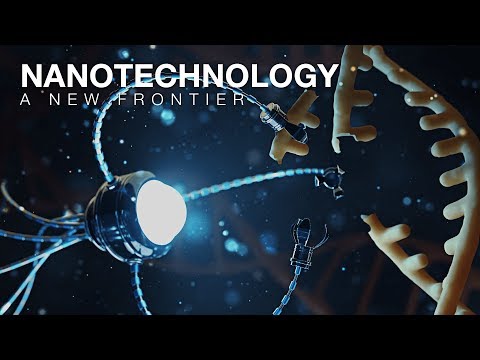
So, I was at this café the other day, right? And I overheard two guys talking about something called nanoscience. At first, I thought they were just ordering fancy coffee. But no, they were seriously discussing tiny particles that are so small you can’t even see them! Like, what?!
Can you imagine something that’s smaller than a grain of salt playing a superhero role in modern research? That’s nanoscience for you! It’s these microscopic wonders that are shaking things up in fields like medicine, electronics, and energy—just to name a few.
But here’s the kicker: it sounds all techy and complicated, yet it’s actually changing our lives in ways we might not even realize. From super smart drug delivery systems that target diseases to creating materials that are lighter and stronger than anything we’ve seen before—you get the sense that science is just getting started.
Let’s take a closer look at how these minuscule marvels are reshaping our world today!
Exploring Current Applications of Nanotechnology in Science: Innovations and Impacts
Nanotechnology might sound like something out of a sci-fi movie, but it’s actually like a tiny wizard behind a curtain, working its magic in a ton of different fields. We’re talking about stuff that’s so small you can’t even see it without some serious gear. Like, we’re on the scale of atoms and molecules here—super tiny, right?
Medical Applications
One of the coolest areas where nanotech is making waves is medicine. Picture this: instead of traditional treatments that can affect your whole body, nanotechnology allows for targeted drug delivery. Imagine little carriers, like tiny delivery trucks, zipping straight to a tumor and releasing medicine right where needed. This means less side effects and more effective treatment! Researchers are even using nanoparticles to help in imaging techniques, making it easier to spot diseases early on.
Environmental Solutions
But wait—there’s more! Nanotechnology is also stepping up to tackle environmental problems. For instance, there are these super small particles that can absorb heavy metals from water. So if you’ve got polluted water bodies, these nanoparticles can help clean them up. Also, they’re used in creating better solar panels that capture sunlight more efficiently than ever before—kind of like giving your old panels a fancy upgrade.
Electronics
Now let’s chat about electronics because this gets really interesting! Have you noticed how gadgets keep getting sleeker and faster? A lot of that improvement comes from nanotechnology. Think about transistors in computer chips; they’re getting tinier which means we can fit more of them onto a chip—making computers faster and smaller. And there’s this thing called quantum dots which are being used in displays for TVs and smartphones to give you colors that just pop!
Textiles
Switching gears to clothing, nanotechnology has also made its mark there too. Ever heard of self-cleaning fabrics? Yeah, it sounds futuristic but with nano-coatings that repel stains and water, your clothes could potentially stay clean longer without constant washing! It’s all about making life easier while being eco-friendly.
All these innovations show how nanotechnology isn’t just some academic buzzword; it’s reshaping our world in really practical ways. These applications are not only changing industries but also improving lives—not bad for things we can’t even see with our naked eye! So next time you hear about nanotech or pick up your phone or watch TV with those vibrant colors, remember there’s some serious science going on at the nanoscale!
Latest Advancements in Nanotechnology Research: Insights and Innovations in Science
What’s up with nanotechnology, right? So, lately, there’s been some pretty exciting stuff going on in the world of nanotechnology research. Basically, we’re talking about science that deals with things at a super tiny level—specifically, stuff that’s about 1 to 100 nanometers in size. To put that into perspective, a nanometer is one billionth of a meter! It’s like comparing the size of a marble to the whole Earth. Crazy, huh?
Medical Applications
One of the most impactful areas where nanotechnology is making waves is in medicine. Scientists are discovering ways to use nanoparticles for targeted drug delivery. This means they can send medicine directly to the cells that need it most. Imagine you have cancer; instead of poisoning your whole body with chemotherapy, tiny carriers can deliver drugs right to the tumor. There’ve been trials showing positive results with these techniques.
Renewable Energy
Then there’s energy! Nanotech is helping improve solar panels and batteries. Scientists are working on nanomaterials that can boost the efficiency of solar cells by increasing their surface area and light absorption. If they succeed, this could mean cheaper energy and faster charging batteries for our devices—how cool would that be?
Environmental Cleanup
The environment isn’t left out either! There are innovative applications where nanoparticles are being used for pollution cleanup. For example, researchers are developing nanoscale materials that can absorb heavy metals from water or break down toxic substances in soil. It’s like sending in little superhero particles to save our planet!
Electronics and Computing
In the electronics field, it’s pretty wild too! The ongoing downsizing trend is making electronic components smaller using nanoscale materials for better performance and speed. Think about how smartphones keep getting more powerful without getting bigger—nanotech plays a big part in that.
Sensors and Diagnostics
Moreover, nano-sized sensors are popping up everywhere! These sensors can detect even tiny amounts of substances like bacteria or chemicals in food and water supplies. They’re super sensitive and provide quick results; think rapid testing kits for diseases or food safety checks!
So yeah, researchers are pushing boundaries every day with nanotechnology advancements across various fields—from medicine to renewable energy to environmental solutions. With these innovations at play, it seems like we’re just scratching the surface of what’s possible when playing around at such microscopic levels!
Exploring Nanotechnology: A Cornerstone of 21st Century Scientific Advancement
Nanotechnology is one of those buzzwords you hear tossed around a lot these days. It basically refers to the manipulation of matter on an atomic or molecular scale. We’re talking about stuff that’s a billionth of a meter! That’s pretty tiny, right? Imagine something so small that it’s hard to even wrap your mind around it. Like, you could fit a thousand strands of hair across the width of a single nanometer.
So, why is this important? Well, when materials are altered at this minuscule scale, they often exhibit unique properties. This can lead to all sorts of amazing applications in different fields. Every day, researchers are discovering innovative ways to use nanotechnology.
- Medicine: In healthcare, researchers are looking into how nanoparticles can target specific cells. For example, these tiny particles can be designed to deliver drugs directly to cancer cells while leaving healthy cells unharmed. This targeted approach could make treatments more effective and reduce side effects.
- Energy: Nanotechnology also plays a massive role in renewable energy. Think about solar panels—tiny nanoscale materials can improve their efficiency by capturing more sunlight and converting it into energy. This means we could harness more power from the sun without needing to cover huge areas.
- Electronics: You know those sleek smartphones you carry around? Well, advancements in nanotech have allowed for smaller components which means faster devices with better performance. Just imagine how much tech has shrunk down over the years!
- Environmental Science: Nanotechnology even helps with cleaning up our planet! Certain nanoparticles can absorb pollutants from air and water much more effectively than larger ones—like little cleanup crews for the environment.
A while ago, I heard this story about a team working on nanobots—tiny robots that can navigate through your bloodstream! It sounds like something out of a science fiction movie, but this kind of research is happening right now. These little guys could help monitor health conditions and even repair damaged tissues at the cellular level.
But there are challenges too—ethical ones that we really have to think about. With great power comes great responsibility! As we get better at manipulating matter at such tiny scales, we’ve gotta consider the consequences on health and the environment.
In short, nanotechnology isn’t just some fancy technology for nerds; it’s revolutionizing how we approach big problems in medicine, energy, electronics, and beyond. The possibilities feel almost endless! So keep your eyes peeled; you never know what amazing developments might pop up next in this field!
Nanoscience is kinda mind-blowing, right? I mean, just imagine manipulating materials at the atomic or molecular level. It sounds like something out of a sci-fi movie! But seriously, this tiny world is where big changes are happening.
Let me give you a quick story. A friend of mine recently got involved in researching nanomaterials for medicine. She told me how they’re working on creating tiny particles that can deliver drugs directly to cancer cells. Like, instead of tossing chemicals into the whole body and hoping for the best, these little particles can zero in on the bad guys. It’s like having a sniper instead of a shotgun! Talk about targeted treatment—this could change lives.
But it’s not just medicine that’s getting the nanotech makeover. In fields like electronics and energy, researchers are exploring how to make devices smaller and more efficient. You’ve probably heard about quantum dots, right? Those little guys are used in everything from displays to solar cells. They can make screens brighter and more vibrant by tuning their size—smaller dots give off different colors of light! It’s wild how something so tiny can have such a huge impact on our daily lives.
And let’s not forget about environmental applications! Nanotechnology helps clean up pollution through processes that break down harmful substances at the molecular level. For example, there are nanoparticles that can absorb heavy metals from water—awesome stuff for making our planet cleaner.
So yeah, when you think about it, nanoscience is like magic science dust sprinkled across various fields. And as researchers keep digging deeper into this nano-universe, I can’t help but feel excited about what’s coming next. Sure, it sounds all high-tech and complicated, but really? It’s all about finding new ways to improve health, technology, and even our environment with the tiniest building blocks we have. How cool is that?