So, you know when you catch a cold and suddenly turn into a walking sneeze machine? Yeah, we’ve all been there! It’s like your body is throwing a tiny protest party with all the sniffles and coughs. But behind that chaos is something super cool: your immune system, the unsung hero fighting off those pesky germs.
Now, if you’re curious about what goes on in that epic battle inside you, “Essential Concepts in Basic Immunology” by Abul K Abbas is like your backstage pass to the show. I mean, who knew that our body had its own army of cells ready to take on invaders?
The way our immune system works is kinda mind-blowing. Seriously! It’s not just about fighting colds; it’s everything from how we respond to vaccines to why some folks have allergies. So if you’re itching to know more about this fascinating world, buckle up! Let’s dive into the ins and outs of immunology together. You’ll be impressed—trust me!
Essential Concepts of Immunology: A Comprehensive Guide to Understanding the Immune System
Immunology can feel a bit overwhelming at first, but don’t worry! Let’s break it down together. Basically, the immune system is your body’s defense army, ready to battle against unwanted invaders like bacteria, viruses, and even some rogue cells that might turn nasty. So, what are the essential concepts you need to grasp about immunology?
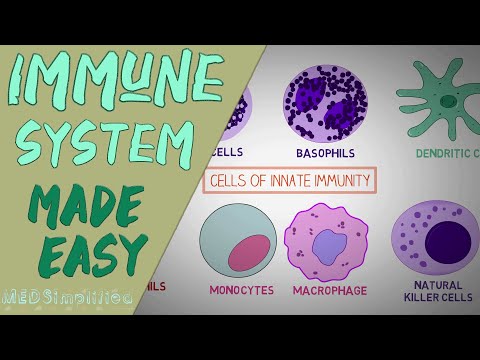
First off, let’s talk about **innate immunity**. This is your body’s first line of defense. It’s like a security guard that doesn’t need an ID badge to let people in or out. This type of immunity includes things like:
- Physical barriers: Your skin is a big deal here! It helps keep germs out.
- Chemical barriers: Tears and saliva have enzymes that can break down bacteria.
- Cellular defenses: White blood cells are like the special forces of your immune system; they tackle infections directly.
You know that feeling when you get a cut? That redness and swelling? That’s inflammation kicking in! It’s your body sending troops to heal and protect.
Next up, we have **adaptive immunity**. This one’s more specialized. Think of it as the elite squadron that learns from past battles. It takes a bit longer to kick in (like preparing for a major tournament), but once it does, it remembers how to fight off invaders if they come back again.
It mainly involves two types of white blood cells:
- B cells: These guys produce antibodies—yup, those proteins that specifically target and neutralize pathogens.
- T cells: They come in two flavors: helper T cells rally other immune players, while killer T cells take out infected cells directly.
And guess what? The cool thing about these adaptive responses is their memory! After an infection, some B and T cells stick around as memory cells so they can respond faster next time.
Now here’s where things get really interesting: vaccines! They basically teach our immune system how to recognize specific invaders without getting sick first. When you get vaccinated, you’re showing your body a “wanted poster” of the bad guys so it knows what to look for later on.
But hold up—sometimes things don’t go quite as planned with our immune systems. There are situations where our bodies can overreact or misfire:
- Allergies: These happen when your immune system mistakenly thinks harmless substances (like pollen) are threats!
- Autoimmune diseases: Here, the immune system gets confused and attacks your own healthy tissues instead of intruders.
I remember when my friend had an allergic reaction after eating something with peanuts. It was scary seeing her go into shock because her body was thinking peanuts were public enemy number one!
Understanding these concepts gives you better insight into how we stay healthy and fight disease every day. Plus, knowing how vaccines work helps us appreciate their role in public health—you know?
So there you have it! Immunology delves deep into our bodies’ defenses and reactions—it’s all pretty amazing when you think about it! Remembering these basic ideas can make science feel less daunting and maybe even inspire curiosity about how our bodies work every day!
Understanding the Cost of Abbas Immunology: Insights into Pricing in Immunology Research
Immunology, the study of our immune system, is a super important field. It’s all about understanding how our bodies fight infections and diseases. When we delve into the costs associated with immunology research, like those discussed in Essential Concepts in Basic Immunology by Abul K Abbas, things can get pretty complex.
First off, let’s talk about why research in immunology can be so pricey. There are several factors at play here:
- Laboratory Equipment: High-tech machines and tools are essential for conducting experiments. This equipment often comes with hefty price tags.
- Research Funding: Getting grants to fund research is competitive and can be challenging. Researchers often spend a lot of time writing proposals rather than focusing on studies.
- Personnel Costs: Skilled researchers, technicians, and support staff need to be paid. Their expertise is vital for successful projects.
- Materials: The chemicals and biological samples used for experiments don’t come cheap. It’s a constant expense that researchers face.
You might be wondering how this impacts actual prices in the field. Well, when researchers want to publish findings or develop new therapies based on their work in immunology, costs can stack up quickly!
I remember sitting in a lab during my college days where we were trying to understand how certain vaccines stimulate an immune response. We had this state-of-the-art flow cytometer that helped us analyze cell populations. That machine—wow—was it expensive! Just maintaining it took a good chunk of our budget—and we weren’t even using it full-time!
The thing is, despite all these costs, the insights gained from immunology research can lead to life-saving treatments and vaccines. Take COVID-19 vaccines for example; they emerged from years of immunological research that, yes, cost a lot but saved countless lives!
The pricing landscape in immunology doesn’t just affect researchers but also patients down the line when new therapies hit the market. So next time you hear about an immunological breakthrough or vaccine development, remember there’s a whole economy behind those life-saving advances!
Ultimately, understanding these costs sheds light not only on the science itself but also on the passions driving people in this field to continue pushing boundaries—even when cash flow is tight!
Exploring the Latest Edition of Kuby Immunology: Key Updates in the Field of Science
So, let’s chat about the latest edition of Kuby Immunology. This book is like a go-to guide for anyone diving into the world of immunology. The thing is, immunology is such a vital part of how our bodies fight off diseases, and understanding it can really make a difference in fields like medicine and biology.
This new edition brings some exciting updates that reflect current research. For instance, one major focus is on the role of immunotherapy. This approach uses the body’s immune system to combat cancer. It’s all the rage right now because it changes how we think about cancer treatment, moving away from traditional methods like chemotherapy.
Another big update includes discussions around vaccination strategies. Given what we’ve seen with global health scenarios lately, understanding how vaccines work at an immunological level is more crucial than ever. The book dives into mechanisms that explain why some vaccines are more effective than others.
But that’s not all! It also emphasizes the microbiome’s influence on our immune system. You know, those trillions of bacteria living in our guts? They actually play a huge role in shaping our immune responses. This connection between gut health and immunity has become a hot topic for researchers.
- Updated figures and imagery: There are fresh illustrations that help break down complex processes into something visually digestible.
- New findings: Each chapter incorporates recent studies and data, making sure you’re not reading something outdated.
- Case studies: Real-life examples bring theory into perspective; they show how immunological principles apply in clinical settings.
You might find it interesting that the way we understand autoimmune diseases has also evolved. Modern research is shedding light on how our immune systems can sometimes go haywire. Explaining these disorders with clarity helps demystify what feels like abstract science for many folks.
This edition isn’t just for students or scientists; it’s aimed at anyone who’s curious about how our bodies defend themselves against invaders—be it viruses or bacteria. So if you’ve ever had a cold or flu and wondered why your body reacts the way it does, these concepts are super relatable!
The updates in Kuby Immunology really show how dynamic science can be. With ongoing research spurring new discoveries almost daily, this field keeps growing and changing. The book captures this energy perfectly—making it not only informative but also pretty exciting!
If you’re looking to get your head around some key immunological concepts, well then this latest edition could be a great companion on your scientific journey!
You know, immunology is one of those fields that just keeps blowing my mind. Like, think about it: our bodies are constantly under attack from viruses and bacteria, yet they have this incredible defense system ready to kick into action. That’s where basic immunology comes in, and there are few better at explaining it than Abul K Abbas.
I remember sitting down one evening with his book “Essential Concepts in Basic Immunology.” It was one of those nights where you feel completely lost but also super curious, you know? As I flipped through the pages, I found myself captivated by how Abbas breaks complex ideas into digestible pieces. It’s almost like chatting with a friend who just happens to be a genius in this stuff!
He talks about the different components of the immune system – like T cells, B cells, and antibodies. Seriously, it sounds like a superhero team! For instance, T cells are like those elite fighters; they recognize bad guys (like infected cells) and destroy them. B cells, on the other hand, create antibodies that bind to pathogens and neutralize them. Just picturing these microscopic battles makes me kinda giddy!
But it’s not just about the immune soldiers doing their thing. There’s also this whole dance of communication happening between cells through signaling molecules! Imagine a complicated network where everyone’s sending signals back and forth. It’s kind of mind-boggling when you think about how much coordination is needed to keep us healthy.
What really struck me was when Abbas highlighted how understanding these concepts has direct implications for things like vaccines and treatments for diseases. There’s this real-world connection that just makes all these scientific concepts more relatable—almost like a puzzle coming together.
And let’s not forget how our immune systems can sometimes go haywire! Allergies or autoimmune diseases show us that sometimes our body’s defenses can misread signals and attack themselves instead of invading germs. That thought always gets me thinking—there’s so much we still don’t fully understand!
In the end, reading Abbas’ work felt less like studying and more like an adventure into the tiny world inside us. It sparked not only my interest but made me appreciate how amazing our bodies really are. If we could all take a moment to unpack these essential concepts in immunology—even just a little bit—I think we’d have a greater respect for our health and well-being. So yeah, it’s definitely worth exploring!