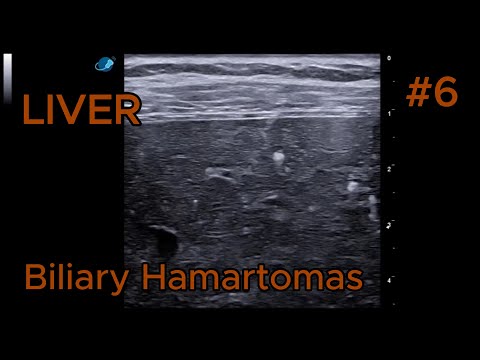
Okay, picture this: you’re at a party, and someone brings up biliary hamartomas. I mean, how many times have we had that convo, right? But seriously, these little growths in the liver can really mess with your day.
Now, imaging techniques might sound all high-tech and fancy, but they play a major role in figuring out what’s going on in there. It’s like having the best detective on your case! And honestly? The advances in this field are pretty mind-blowing.
So let me break it down for you. From MRIs to ultrasounds, doctors are getting clearer pictures than ever before. This isn’t just about spotting issues; it’s about getting you back to feeling your best!
Preferred Imaging Modalities for Biliary System Assessment: A Comprehensive Overview
Sure, let’s talk about the imaging modalities used for assessing the biliary system. The biliary system, which includes the bile ducts and gallbladder, is essential for digestion, particularly in breaking down fats. When there are issues in this area, like biliary hamartomas—these odd growths can complicate things a bit—doctors need reliable ways to see what’s going on.
First off, let’s look at ultrasound. This is often the go-to method because it’s non-invasive and pretty quick. You know how you might get an ultrasound when you’re pregnant? It’s kind of like that! It uses sound waves to create images. For biliary issues, it helps visualize the ducts and gallbladder very well. However, sometimes it doesn’t provide all the answers, especially if there are smaller or deeper lesions.
Then there’s Computed Tomography (CT). This technique combines multiple X-ray images to produce cross-sectional pictures of your organs. For biliary hamartomas, CT scans can show these abnormal growths quite clearly. They are particularly useful when doctors suspect complications like bile duct obstructions or infections. But here’s the thing: CT can expose you to more radiation than an ultrasound does.
Another important tool is Magnetic Resonance Imaging (MRI), which really shines in soft tissue imaging. MRI uses powerful magnets and radio waves instead of radiation to create detailed images of organs inside your body. With a special technique called MR cholangiopancreatography (MRCP), it provides a fantastic view of the biliary tree without any invasive procedures! Imagine peering into a maze without having to walk through it; it’s that effective!
Now let’s not forget about endoscopic retrograde cholangiopancreatography (ERCP). This one sounds fancy, right? It involves inserting a flexible tube through your mouth into your stomach and then into your bile ducts. Doctors can not only see but also treat problems at this point! If they find stones or blockages while looking around? They can remove them right there! But it does come with risks because it’s more invasive.
Finally, Positive Emission Tomography (PET) isn’t usually first on the list for assessing biliary conditions but can be valuable, especially when there are concerns about cancerous growths linked with hamartomas. PET scans use radioactive substances to look at metabolic activity in tissues—so they help doctors figure out if something suspicious might be malignant.
So here’s what we learned:
- Ultrasound: Quick and non-invasive; good for initial assessments.
- CT: Great for detailed views but involves radiation.
- MRI: Best for soft tissue details without exposing you to radiation.
- ERCP: Provides visual and therapeutic options but is more invasive.
- PET: Not first choice usually but helpful for spotting potential cancers.
In summary, each imaging technique has its own perks and quirks! The preferred method often depends on what exactly doctors are looking for or suspecting in terms of biliary problems. So next time you hear about these methods in medical jargon, you’ll have some pretty solid knowledge on what they actually mean!
Understanding Biliary Hamartoma: Key Acoustic Artifacts in Liver Imaging
Biliary hamartomas can be a bit tricky to catch in liver imaging. They’re these small, benign liver lesions, and understanding how they look on scans is pretty important for diagnosis. You know, the tricky part is that imaging techniques can show some funky artifacts that might confuse the whole picture.
When we talk about **biliary hamartoma**, what you need to know is they often pop up as tiny cystic areas in the liver. They’re not super common, but when they do show up, clinicians really want to see them accurately on an ultrasound or MRI. The thing is, sometimes these imaging tests can produce artifacts that mess with our perception of these lesions.
Here are a few key acoustic artifacts you might come across when dealing with liver imaging:
Now let’s chat about why recognizing these artifacts matters. Imagine you’re looking at a scan and see something that looks suspicious because of an artifact when it’s really nothing to worry about. That could mean unnecessary procedures or even stress for patients!
In terms of imaging advancements, newer technologies like contrast-enhanced ultrasound can help improve detection rates of biliary hamartomas because they provide clearer pictures by enhancing blood flow visualization. This way clinicians can differentiate between real issues and those pesky acoustic artifacts more effectively.
So yeah, being aware of these key acoustic artifacts while navigating through liver imaging makes a huge difference in diagnosing biliary hamartomas accurately. And that’s really what we’re after—better outcomes and peace of mind for everyone involved!
Optimal Imaging Techniques for Diagnosing Biliary Atresia: A Comprehensive Review
Biliary atresia is a condition that affects newborns, leading to liver damage due to bile duct obstruction. It’s pretty concerning because early diagnosis can be critical for treatment. So, how do doctors figure out if a baby has this? Well, they have a few imaging techniques up their sleeves.
First off, **ultrasound** is usually the go-to method. It’s non-invasive and doesn’t involve any radiation, which is a big plus for tiny babies. An ultrasound can help visualize the liver and bile ducts. It shows if the bile ducts are underdeveloped or missing. If you think about it, it’s like looking at a map of roads to see if they’re open or closed.
Then there’s **magnetic resonance cholangiopancreatography (MRCP)**. This technique is super cool because it gives detailed images of the bile ducts without needing to poke around inside the body. MRCP uses magnets and radio waves instead of X-rays—so no radiation exposure here either! It gives a clearer picture than ultrasound alone, especially when assessing more complex cases.
Another method that sometimes comes up is **computed tomography (CT) scans**. These are great for overall organ assessment but aren’t used as much for biliary atresia in infants due to radiation risk. Still, in some cases where other imaging isn’t enough, CT can come into play.
Oh! And let’s not forget **liver biopsy** which isn’t an imaging technique per se but sometimes goes hand-in-hand with imaging findings for diagnosis confirmation. Doctors might take a small sample of liver tissue to check for damage or abnormalities linked with biliary atresia.
Also important to mention is how **advancements in machine learning and AI** are paving new paths in image analysis. They help radiologists pick up on subtle changes that may indicate issues earlier than before—talk about teamwork!
In summary:
- Ultrasound: First-line imaging; shows bile duct development.
- MRCP: Non-invasive; detailed views of bile ducts.
- CT Scans: Not typically first choice; useful when others fail.
- Liver Biopsy: Confirms diagnosis; looks at liver health directly.
- AI & Machine Learning: Enhances diagnostic accuracy.
Quick note: Early detection means better outcomes, you know? Doctors are continuously refining these techniques to improve accuracy and efficiency in diagnosing biliary atresia and related conditions like biliary hamartomas too! It’s all about keeping those little ones healthy!
Biliary hamartomas, huh? Not the most common topic at dinner parties, I’ll tell you that! But it’s seriously interesting when you think about it. So, biliary hamartomas are these little growths in the liver’s bile ducts. They’re usually benign, meaning they’re not cancerous, but they can be tricky to spot. That’s where imaging techniques come into play.
You know, I remember this time my uncle had some liver issues. We were all worried about him and went with him to the hospital. The doctors needed to figure out what was going on inside there. It’s kind of scary when you think about someone poking around in such a vital organ! They used all sorts of imaging tools to get a clear view—like ultrasound and CT scans. Those images are like magic windows into what’s happening inside our bodies.
Anyway, let’s talk about the advances in imaging techniques for biliary hamartomas—because there have been some cool developments lately! For example, 3D imaging has really taken off. It makes it way easier for doctors to visualize these growths from different angles without having to dig into someone’s belly, which is a huge relief!
And then there’s magnetic resonance cholangiopancreatography (or MRCP for short). This technique lets specialists see the bile ducts without any invasive procedures. Imagine being able to take a peek inside your body without surgery—pretty neat, right? It uses powerful magnets and radio waves instead of radiation to create detailed images.
These advancements mean faster diagnoses and treatment plans for patients. And that can make all the difference when someone is feeling anxious or unwell.
But here’s the kicker: while technology is evolving rapidly and becoming more precise, we’ve got to remember that it also requires skilled hands behind the screens—the radiologists and doctors who interpret those images are crucial! Their expertise can turn a good picture into an accurate diagnosis.
So yeah, even though biliary hamartomas might not be grabbing headlines anytime soon, the strides made in how we look at them speak volumes about progress in medicine. It’s comforting to know that when health concerns arise—and they do—a whole lot of innovative brainpower is working behind the scenes to keep us informed and healthy.