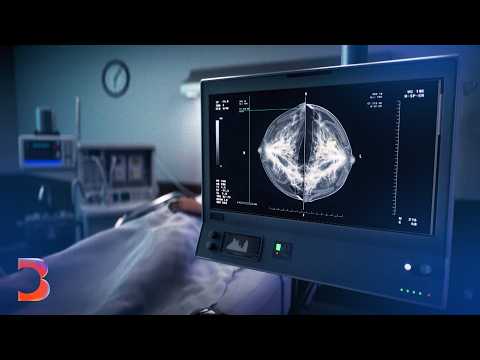
You know when you go to the doctor and they ask you to take a picture of your insides? Sounds kinda weird, right? But honestly, it’s super cool!
Imagine peeking inside your body without any, like, invasive procedures. It’s like having X-ray vision, but way safer.
Diagnostic imaging has come a long way since the days of good ol’ X-rays. Seriously! Think CT scans, MRIs, and even those fancy ultrasounds.
And get this—these advancements aren’t just helping doctors play detective with our health; they’re also making diagnosis faster and more accurate. You follow me? It’s amazing how technology has made such a difference!
Exploring the 5 Essential Imaging Techniques in Scientific Research
You know, imaging techniques in scientific research are like the superhero gadgets of the scientific community. They help researchers peek into the hidden worlds of biology, chemistry, and physics. Let’s explore five essential imaging techniques that are making waves right now!
1. X-ray Imaging
X-rays are probably the most well-known method of non-invasive imaging. When you think “broken bone,” you think X-ray, right? They work by sending out radiation that passes through soft tissues but gets blocked by denser materials like bones. So, you get this cool shadowy image of what’s inside without slicing anything open! It’s used not just in medicine but also in material science to see structures within various materials.
2. Magnetic Resonance Imaging (MRI)
MRI is like magic for soft tissues! It uses powerful magnets and radio waves to create detailed images of organs and tissues. Picture yourself lying in a big tube while a machine hums around you—that’s basically how it goes down. MRI is super helpful for diagnosing brain disorders or joint injuries because it shows contrasts in different tissue types quite well.
3. Computed Tomography (CT) Scans
Now, if a regular X-ray is like a single slice of bread, a CT scan is the whole loaf! It combines multiple X-ray images taken from different angles and uses computer processing to create cross-sectional views of bones and soft tissues inside your body. These images can be turned into 3D models which are awesome for planning surgeries or figuring out complicated health issues.
4. Ultrasonography
Ultrasound is one of those friendly techs that doesn’t involve any radiation at all. Instead, it uses sound waves to produce images of organs and structures inside the body. Ever seen an expectant mom get her baby scanned? Yep, that’s ultrasound at work! It’s also handy in looking at heart health or checking blood flow because it gives real-time images.
5. Positron Emission Tomography (PET)
And here’s where things get super interesting: PET scans use radioactive tracers to visualize metabolic processes in the body! This method looks at how much energy certain cells are using—think cancer detection or assessing brain activity during different tasks since cancer cells tend to use much more glucose than normal cells do.
Each technique has its unique strengths and weaknesses, but together they offer an impressive toolkit for scientists and doctors alike. These tools not only help us understand health better but can even lead to breakthroughs in treating diseases we thought were hopeless.
So there you have it: five crucial imaging techniques that make scientific research possible and effective! Each one holds an important role in painting a more vivid picture of what’s happening within us—or within various materials around us—for all sorts of applications that can change lives for the better!
Comprehensive Guide to Medical Imaging Techniques: Downloadable PDF Resource for Scientific Research
The world of medical imaging is super exciting and, honestly, pretty crucial in modern healthcare. It’s like having a backstage pass to what’s happening inside our bodies without having to cut us open. So, let’s break down the main types of medical imaging techniques and how they help doctors get a clearer picture—pun intended!
First up, we’ve got **X-rays**. These are probably the most well-known method. They’re fantastic for spotting broken bones or detecting things like pneumonia in your lungs. Basically, X-rays work by sending radiation through your body, which then hits a detector on the other side. The dense parts, like bones, show up white on the image since they absorb more radiation.
Then there’s **CT scans** (or computed tomography). These are basically fancy X-rays that take images from different angles and create detailed cross-sections of your body. Imagine slicing a loaf of bread—each slice shows you a little more detail about what’s inside! CT scans are great for diagnosing cancers or internal bleeding but do involve a bit more radiation than regular X-rays.
Moving on to **MRI** (magnetic resonance imaging)—this one’s fascinating! MRIs use strong magnets and radio waves instead of radiation to create images. They’re particularly good at soft tissue imaging, making them super useful for spotting issues in the brain, spinal cord, or joints. I remember when my friend had knee pain; she got an MRI that revealed tears in her cartilage nobody would’ve seen with just an X-ray.
Now let’s talk about **ultrasound**, which might remind you of baby scans! But it does way more than just showing us adorable little faces before birth. Ultrasound uses sound waves to create images—no radiation involved! It’s commonly used for looking at organs in real-time during procedures or even guiding doctors when they need to insert something into your body.
Another cool technique is **nuclear medicine**. Sounds fancy, right? This method involves small amounts of radioactive material to diagnose or treat diseases. For instance, a PET scan (positron emission tomography) shows areas of high metabolic activity in the body—like cancer cells gobbling up sugar faster than normal cells do!
Let’s not forget about advancements happening all the time! There are developments like **3D imaging**, which enhances traditional techniques by providing depth perception and better views compared to 2D images alone.
So why is all this important? Well:
- Early detection: Many conditions can be caught earlier with these tools.
- Personalized treatment: Imaging helps tailor treatments specific to what you’re dealing with.
- Surgical planning: Surgeons can map out their game plan using precise images before heading into surgery.
In short, medical imaging techniques have revolutionized diagnostics and treatment plans in healthcare today. Isn’t it wild how technology lets us peek inside ourselves? From saving lives to improving outcomes—it truly makes a difference every single day!
Advancements in Medical Imaging Technologies: Transforming the Future of Diagnostic Science
Medical imaging has come a long way, hasn’t it? I mean, just think about it: you go to the doctor because something feels off, and they can literally see what’s happening inside your body without cutting you open. Pretty wild, right? Let’s break down some of the advancements that have really shaken things up in this field.
First off, we can’t talk about medical imaging without mentioning Magnetic Resonance Imaging (MRI). This technology has been around for a while, but it keeps getting better. Newer MRI machines can produce clearer images and take less time to scan. So you’re in and out much quicker! Plus, they can detect smaller tumors than ever before. Imagine spotting something tiny that could have led to major problems if left unnoticed. It’s like having superhuman vision.
Then there’s Computed Tomography (CT) scanning. The latest CT scans use fewer X-rays while still giving doctors high-res images. That’s important for reducing radiation exposure to patients. So while you’re getting checked out, you don’t have to worry as much about those pesky radiation risks.
Another big player in this game is Ultrasound technology. This is particularly exciting for expectant parents! Modern ultrasounds can show 3D images of developing babies. It’s not just a flat picture anymore; you can see little features and movements! Seriously, I’ve seen videos of babies waving their arms in the womb, and it’s both hilarious and heartwarming!
Let’s not forget about Positron Emission Tomography (PET)Artificial Intelligence (AI). AI algorithms are now being utilized to analyze imaging data more quickly and accurately than humans sometimes can! They help radiologists by flagging potential issues that might be missed during a regular review. I mean, who wouldn’t want an extra set of eyes looking out for them?
You know what else is cool? Portable imaging devices are becoming more common too! With these handy gadgets, doctors can take quick scans right where they are—like in an emergency room or even at your home if needed! This means faster diagnoses when every minute counts.
So when we think about all these advancements in medical imaging technologies—like MRI improvements, hybrid scanning methods with PET/CTs, AI assistance—it’s clear we’re on the brink of something pretty revolutionary in diagnostic science. These tools not only help physicians but also save lives by catching diseases early on when they’re easier to treat.
The future of medical imaging looks bright! As these technologies continue evolving, who knows what other breakthroughs will come our way? It’s exciting stuff!
You know, it’s pretty amazing how far we’ve come with diagnostic imaging techniques. I mean, think about it. Just a few decades ago, if you had to get checked out for something serious, they really had to work with their hands and guess a lot.
I remember when my grandma was feeling unwell, and the doctors just had their old-school tools – like stethoscopes and maybe an X-ray if they were lucky. Nowadays, we’ve got these super high-tech machines that can basically see inside your body as if they’re looking through a window! It’s like science fiction becoming real life.
So let’s talk about some of these advancements. MRI machines are insane! They use powerful magnets and radio waves to create detailed images of organs and tissues. You pop into one of those giant tubes with a bunch of weird noises going on around you, and somehow they piece together this incredible view of what’s happening inside you. And honestly? The clarity is mind-blowing.
And then there’s CT scans—those things are like taking multiple X-ray pictures in one go! They stack the images together to give doctors a 3D view of whatever might be bothering you. Imagine having all those angles and details at your fingertips! It must feel like being a superhero with x-ray vision when you’re looking at those images.
What really hits home for me is how these improvements aren’t just tech upgrades; they actually save lives. Early detection is key in many diseases, especially cancer. Think about someone getting diagnosed earlier because they had access to an advanced imaging technique that caught something tiny before it became serious? Just wow!
But hey, it can also be overwhelming sometimes, right? With so many options available now, doctors have their work cut out for them figuring out which test to use when someone walks through the door with aches or pains. It’s more pressure on them for sure!
All in all, I guess what I’m trying to say is that while we’ve made some jaw-dropping strides in diagnosing illnesses—turning what was once guessing into precise visuals—there’s still this human element involved too. Balancing technology with care is super important because at the end of the day, behind every image is a person hoping for answers and healing! So yeah, worth reflecting on how our advancements shape lives in such profound ways.