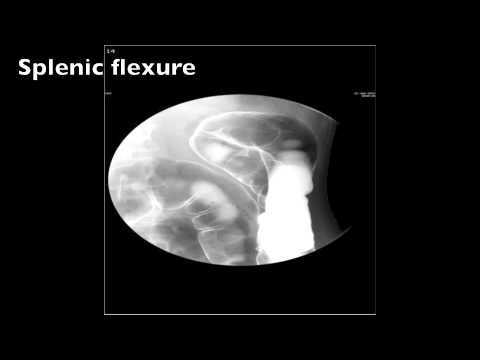
Okay, picture this: You’re at a party, and someone casually mentions they had to drink chalky stuff for a medical test. It’s not the kind of thing that usually comes up in casual conversation, right? But that’s exactly what happens during a barium enema.
Yeah, it sounds weird. I mean, who would want to drink something that looks like it belongs in a science lab? But here’s the deal: this prep helps doctors peek into your intestines and figure out what’s going on in there. It’s like giving them a map to navigate your insides.
In today’s world of diagnostic imaging, barium enemas might seem old-school. But believe me, they still have their place. It’s pretty wild how something so retro can still shine a light on certain problems.
So, let’s break down what this whole barium enema thing is about, why it matters, and how it’s still making waves in modern medicine. Ready? Let’s get into it!
Barium Enema: Understanding Its Role in Medical Imaging and Gastrointestinal Diagnosis
So, let’s chat about barium enema. It’s a bit of a mouthful, but don’t worry! We’re just going to break it down nice and easy. Basically, this procedure is all about taking a closer look at your intestines, especially the large intestine or colon.
When you hear “barium,” think of this thick, chalky liquid that helps outline the inside of your intestines on X-rays. The cool thing is that barium absorbs X-rays really well. So, when radiologists use it during an enema, they can get clear pictures of what’s going on inside.
Now, how does it all work? Here’s the gist:
- Preparation: Before the test, patients usually have to follow a special diet for a day or two and might need something to clean out their bowels.
- The procedure: You’ll lie on your side while a doctor gently inserts a tube into your rectum and fills the colon with barium. Sounds uncomfortable? Yeah… but it’s pretty quick!
- X-ray time: After filling you up with barium, X-rays are taken from different angles to create images of your intestines.
So why is this important? Well, doctors can spot issues like polyps, tumors, or inflammation. Imagine you’re feeling all sorts of stomach upset and nothing seems to explain it—this is where a barium enema can be super helpful!
I remember one time my buddy was having some serious stomach problems. He was worried about what could be wrong—maybe something serious? It turned out he just needed lifestyle changes—but those X-rays helped pinpoint everything safely.
Now, like any medical procedure, there are some things to keep in mind:
- Risks: There’s always some risk involved. Reacting badly to the barium isn’t common but can happen.
- Not for everyone: If someone has certain conditions like severe rectal bleeding or colon obstructions, this test isn’t ideal.
- Aftercare: Some people might experience constipation after since barium doesn’t always exit quickly from the body.
In modern medicine, while MRIs and CT scans are getting more popular for imaging stuff inside us (and yes they’re great), sometimes you need good ol’ barium enema for certain situations just because of its effectiveness in visualizing colorectal issues.
In short: Barium enemas play an important role in detection and diagnosis. They offer valuable insights into gastrointestinal problems when other methods may not cut it! So if someone mentions this test as part of their health journey—hey—you got the lowdown on what it’s all about now!
Understanding Radiation Exposure in Barium Enema Procedures: Implications for Medical Imaging
Understanding radiation exposure during a barium enema involves navigating some technical territory, but don’t worry—I’ll keep it as straightforward as possible. So, let’s break it down!
A barium enema is a medical imaging procedure that helps doctors see the inside of your colon. Basically, barium sulfate (which is a white chalky substance) is used to make your intestines visible on X-ray images. The big question people have is: how much radiation am I really getting exposed to during this process?
First off, it’s essential to remember that **radiation** is everywhere, and we encounter it in our daily lives—from cosmic rays to radon gas in our homes. But when it comes to medical imaging, there’s usually some concern around the amount of radiation involved.
When you undergo a barium enema, you can expect a dose of radiation that’s generally considered safe for diagnostic purposes. Typically, the level of exposure from this procedure is estimated at about **1-5 millisieverts (mSv)**. To give you an idea of what that means: a dental X-ray exposes you to about **0.005 mSv**, while a chest X-ray gives about **0.1 mSv**. So yeah, the barium enema does come with more radiation than these common exams.
Now let’s look at some points regarding why this matters:
You might be curious about how doctors decide whether or not to recommend this procedure in the first place. It often comes down to evaluating symptoms: if someone has unexplained abdominal pain or significant changes in bowel habits, they may need that clear picture of what’s happening inside their intestines.
It’s also worth mentioning that while most people won’t experience any adverse effects from this radiation exposure—many having undergone such procedures without issue—there’s always a tiny risk of developing cancer many years later due to cumulative exposure over time.
Remembering my friend who was nervous before her procedure really brings this home for me! She had read about radiation and went through every possible worry in her head—“Am I going to glow?” or “What if I turn into Spider-Man?” Surprisingly though, once she understood the risks were low and weighed against the benefits her doctor explained, she felt way more relaxed going into it.
So yeah, understanding radiation in procedures like a barium enema boils down to knowing both your health needs and the context of safety in medicine today. Always talk with your healthcare provider if you have questions! They’re there for you—and knowing what goes into these decisions can help take away some anxiety when facing medical imaging procedures.
Comparative Analysis of Barium Enema and CT Scan for Diagnostic Imaging in Gastroenterology
Alright, let’s chat about the whole barium enema thing versus a CT scan in the world of gastroenterology. You know, we’re talking about two pretty important diagnostic tools for looking inside your intestines and figuring out what’s going on, if anything.
First off, barium enema. This is a test where they use a thick liquid that has barium sulfate in it. You drink or, well, they insert it into your rectum to fill up your colon. Sounds a bit intense, right? But here’s the deal: the barium coats the lining of your intestines so that they show up clearly on X-ray images. It helps docs spot issues like polyps, tumors, or inflammation.
Now, let’s move over to CT scans, also known as computed tomography scans. These are a bit more high-tech. CT scans take tons of X-ray images from various angles and then use a computer to create detailed cross-sectional views of your abdomen. They provide a more comprehensive look inside than a traditional X-ray or even a barium enema can.
So now you might be wondering: which one is better? Well, there are pros and cons to each method:
- Barium Enema:
- Less expensive and straightforward.
- Good for evaluating large bowel issues specifically.
- CT Scan:
- More detailed images overall—you get to see more than just the intestines.
- Faster process—usually takes just minutes.
Now take this into account: when I was younger, I actually had to go through both tests for some stomach problems I was having. Trust me; each experience stuck with me! The barium enema felt like an awkward circus act—let’s just say it was uncomfortable but not unbearable. The CT scan? That was super quick and surprisingly less stressful.
But here’s where things get tricky—a barium enema involves radiation exposure too! While CT scans generally give higher doses of radiation than traditional X-rays or barium enemas do. So in picking between them, your doc will consider factors like age, medical history, and specific symptoms.
And don’t forget preparation! Barium enemas often require you to clean out your intestines beforehand with laxatives or dietary changes. This whole prep process can be intense and sometimes feels like you’re training for an Olympic event rather than just getting ready for an imaging test!
When all’s said and done? It really boils down to what the doctor is looking for and how comfortable you are with both types of tests. Either way, both have their place in diagnostic imaging in gastroenterology.
So remember this little overview next time someone mentions these tests—now you’ve got some solid info tucked away!
Alright, so let’s talk about barium enemas for a sec. I know, not the most thrilling topic at first glance, right? But seriously, it’s pretty interesting when you think about it. Imagine walking into a hospital or a clinic and seeing all these high-tech machines whirring and beeping around you. It feels like something out of a sci-fi movie! Yet, in the midst of all that modern technology, there are still older methods that kick it old-school but are still super effective—like the barium enema.
So here’s the deal: a barium enema is basically this test where they use a liquid called barium sulfate to help see your colon on an X-ray. Sounds kinda odd, huh? But trust me, it’s really important for diagnosing various issues in that area. You know how when you’re cleaning out your car and you find all sorts of junk you’ve forgotten about? Well, sometimes doctors need to “clean out” and check up on our colons too! They want to see if anything’s amiss like tumors or inflammation.
This whole process can definitely sound nerve-racking—like you’re being told to drink weird stuff and then have an X-ray taken of your insides! I remember when my cousin had to get one done a couple of years back. He was nervous but ended up saying it wasn’t as bad as he thought. In fact, he even joked about feeling like he was part of some top-secret experiment! It’s these little moments that make something intimidating feel just…human.
When you’re looking at diagnostic imaging today, with all those fancy MRIs and CT scans available nowdays, it’s easy to overlook the simplicity of older techniques like the barium enema. But in the right hands, they can provide valuable information without all that fuss—and sometimes they’re just what a patient needs for clarity.
And you know what’s cool? Barium enemas can actually help people avoid more invasive procedures later on down the line. If doctors can get clear images of what’s going on in there with this method, it could mean fewer unnecessary surgeries or other interventions. It’s kind of beautiful how something so simple can have such significant impacts on patient care.
So next time you hear about one of these tests or even if someone mentions their experience with one—the nerves, the laughs—remember: behind every procedure are stories and people just trying to stay healthy and figure things out!