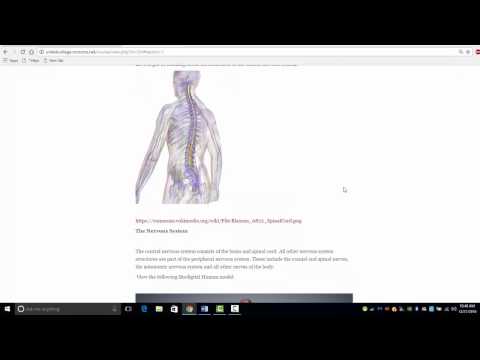
You know that moment when you’re scrolling through your phone and see a wild headline about some “biodigital human”? It’s like, wait, what? Are we talking about robots with feelings now?
Well, sort of! Picture this: combining our biology with tech, like a science fiction movie but way cooler. Imagine if your body could talk to machines and say, “Hey, I’m feeling sleepy today.” Sounds funky, right?
That’s what biodigital humans are all about. They’re pushing the boundaries between biology and technology in ways we never thought possible. It’s like a bizarre bridge connecting us to the future.
So grab your popcorn; this is going to be a ride full of weirdness and wonder!
Exploring the Intersection of Human Biodigital Technology and the Muscular System in Modern Science
So, let’s talk about this pretty cool intersection happening between human biodigital technology and our muscular system. It sounds all high-tech, but really, it’s just a fascinating blend of biology and tech that can help us understand ourselves better.
First off, what do we mean by biodigital technology? Think of it as the mix of biological systems with digital tools. This combo helps researchers develop new ways to interact with our bodies at a cellular level. For example, ever heard of wearable tech? Those fitness trackers that count your steps or monitor your heart rate are a simple taste of how biodigital tech works in real life.
Now, if we zoom in on the muscular system, it’s worth noting how vital it is for movement. Our muscles are controlled by signals from the nervous system. But what happens when you add biodigital tools into this mix? Well, you get some pretty neat possibilities! Imagine using a device that can help analyze muscle function in real-time—like tracking how well your biceps flex during an arm curl or how efficiently your leg muscles work after a long run.
And here’s where things get really interesting:
You know, like those robotic arms controlled by thoughts? This isn’t sci-fi; it’s happening right now! Scientists are working on ways to connect these prosthetic devices directly with neural circuits to give users more control—almost like they were their own arms.
Another cool application is
Researchers create digital simulations of how muscles work together when we move. By studying these models, scientists can better understand injuries and design effective rehabilitation programs that actually help people recover faster. Like using computer models to predict how muscles might react during different activities.
Of course, integrating technology into the muscular system raises questions too. There are ethical concerns about how far we should go with enhancing human capabilities. Should we use these technologies just for healing purposes, or is there a point where we’re playing God? It’s not an easy debate!
Finally, even with all this fancy tech and science buzz, let’s not forget the human element here. There’s something so special about understanding not just the mechanics but also the emotional connection we have with our own bodies—it all comes down to feeling strong or capable after a good workout or even during recovery from an injury.
So yeah, the intersection of biodigital humans and our muscular system opens up amazing doors! We’re talking about improving health outcomes and changing lives through science—and that’s something worth getting excited about!
Exploring the Intersection of Human Biodigital Technology and the Reproductive System in Modern Science
So, let’s talk about something that might sound a bit sci-fi at first: the intersection of human biodigital technology and our reproductive system. Honestly, it’s a pretty mind-blowing topic. You probably think it’s all about robots and crazy gadgets, but it’s a lot more nuanced and involves a ton of biology too!
Biodigital humans are basically where biology meets digital tech. Imagine using technology to understand or even enhance what our bodies do naturally. When we talk about the reproductive system, that means looking into how we can apply these advancements to fertility, reproductive health, and even some genetic engineering.
First off, let’s break down what biodigital technology really is. You can think of it as combining biological elements with digital tools. This can include anything from using algorithms to analyze genetic data, to creating wearable tech that tracks health indicators in real-time. It’s like having a personalized health assistant on your wrist!
In terms of the reproductive system, one fascinating area is fertility tracking. There are apps out there that help people track their menstrual cycles by collecting data on symptoms or hormonal changes. This info can be super useful for anyone trying to conceive. We’re talking about personalized insights based on YOUR body—so cool!
But that’s just scratching the surface. Researchers are also exploring innovative ways to tackle infertility issues through biodigital approaches. For instance, scientists are working on better understanding sperm and egg interactions through advanced computer modeling techniques. They’re looking at how these cells communicate at a molecular level—basically figuring out what makes them tick.
Then there’s the concept of gene editing. A tool called CRISPR has been making headlines for its ability to edit genes effectively and accurately. How does this relate to reproduction? Well, imagine being able to edit genes in embryos to prevent heritable diseases before birth! It raises ethical questions too but highlights how deeply intertwined technology and biology are becoming.
Still not convinced? Let me take you back for a second. Picture your friend who struggled with IVF treatments for years—those emotional ups and downs can be exhausting! With these advancements in biodigital technology, scientists hope to eventually provide personalized solutions that could make such struggles less common.
Another big point here is the use of artificial intelligence (AI) in reproductive health care. Medical professionals increasingly rely on AI to analyze vast amounts of data—from blood tests to ultrasound images—to help diagnose potential issues more quickly than ever before.
Let’s not forget about virtual reality (VR), either! Some clinics use VR for educational purposes or even therapy related to reproductive health matters, allowing patients to visualize processes like egg fertilization or childbirth in an immersive way.
At the end of the day, all this stuff might sound complex but it really boils down to one thing: finding better ways for us humans to connect with our biological selves through tech innovations while also addressing critical issues in healthcare—especially regarding reproduction.
So yeah—this intersection between human biodigital tech and our reproductive systems isn’t just science fiction anymore. It’s happening now! And who knows what we’ll discover next? It’s like peeling back layers of an onion; each layer reveals something new and exciting about human potential!
Exploring the Human Biodigital Connection: Advancements in Skeletal System Research
Sure! Let’s chat about the fascinating world of the human biodigital connection, especially when it comes to advancements in skeletal system research.
The human body is a complex masterpiece. And within it, the **skeletal system** plays a crucial role. It’s not just about keeping us standing; it protects our organs, supports our muscles, and even produces blood cells. But what happens when we blend biology with technology? Well, that’s where things get really interesting!
One key area of research is understanding bone health and regeneration. Scientists are tapping into 3D printing technology to create **bioengineered bones**. Imagine a world where doctors can print out a new bone for someone who has suffered an injury or disease! This isn’t science fiction; it’s happening right now.
Then there’s the incredible field of **biomechanics**. It’s all about how our bones and muscles work together during movement. Researchers are using advanced sensors to gather data on how we walk, run, or even dance. This helps in creating better **prosthetics**—like robotic limbs that feel more natural and can adjust based on how you move.
Another cool advancement involves using **digital twins**, which are virtual replicas of our biological systems. Think of it as having a video game character that mirrors your real-life movements and responses! Scientists can simulate different scenarios on these digital twins—like studying how certain exercises affect your bones without any risk to your actual body.
Let’s not forget about artificial intelligence too! AI is revolutionizing diagnostics by sifting through tons of data faster than any human could ever do. Picture this: algorithms analyzing X-rays and identifying fractures or other issues quickly and accurately.
And guess what? All these advancements aren’t just for athletes or people in need of surgeries. They have implications for everyone, young or old! For instance, if you’re someone who’s getting older or has osteoporosis, this research could lead to better treatments that might help keep your bones strong as you age.
To wrap it up, exploring the biodigital connection means diving deep into understanding our bodies while embracing technological innovation. It opens up new ways to enhance health treatments related to the skeletal system and improve overall quality of life.
So next time you think about bones or tech, remember: they’re not as separate as they seem! They’re joining forces for some seriously exciting possibilities in healthcare and beyond.
So, you know how things seem to be changing at lightning speed these days? Like, one minute everyone’s talking about smart gadgets, and the next, it’s all about how science is blending with our biology. This whole concept of biodigital humans is a perfect example. It’s kind of mind-blowing when you think about it.
I remember sitting in my high school bio lab, feeling mesmerized by the complexity of life. We were looking at cells through a microscope, and it struck me how intricate each tiny organism was. Fast forward to now, and we’re not just studying biology—we’re merging it with technology! Biodigital humans represent that crossover. It’s like taking the best bits of our biological selves and enhancing them with tech.
Imagine having devices that can monitor your health in real-time or even help regenerate tissues as needed. That’s not sci-fi anymore; it’s happening! You see people with prosthetics that connect to their nervous system. They can feel sensations or move much more naturally than ever before. Isn’t that just incredible?
But here’s where it gets tricky. With great power comes great responsibility, right? The more we dive into this space, there’s an ethical side that looms over us like a cloud. Who gets to decide what enhancements are acceptable? Or how do we make sure everyone has access to these advancements? I mean, are we on the verge of creating a new class system based on who can afford bio-enhancements? Those are some gnarly questions.
So, while we’re on this journey toward becoming biodigital humans—where biology meets bytes—it’s crucial for us to keep an open dialogue about the implications. Let’s cherish the amazing things we can do but also tread lightly on the moral grounds involved.
All in all, I think if we handle this blend of biology and technology with care and consideration, we could create something really beautiful together—a future where technology doesn’t just amplify our lives but respects them too. That’s quite a vision to hold onto!