Did you know that some pigeons can actually recognize themselves in a mirror? Yeah, it’s true! These little feathered friends aren’t just good at finding their way home. They’re basically nature’s little superheroes of the avian world.
Picture this: You’re at the park, feeding what you think is just a bunch of ordinary pigeons. But what if I told you those birds are like little scientists themselves? Seriously! They’ve got more going on than just strutting around looking for breadcrumbs.
So, let’s chat about “pigeonetics.” Sounds fancy, right? It’s all about blending science and our love for these quirky birds. There’s so much we can learn from them, and honestly, it might even change how you see pigeons forever. You down for this? Trust me, it’ll be fun!
Understanding Pigeonetics: Exploring the Intersection of Genetics and Avian Science
So, let’s chat about something pretty cool: pigeonetics. It’s this fascinating mix of genetics and birds, specifically pigeons. You know, those feathered friends you see waddling around in the park? They’re more interesting than you might think!
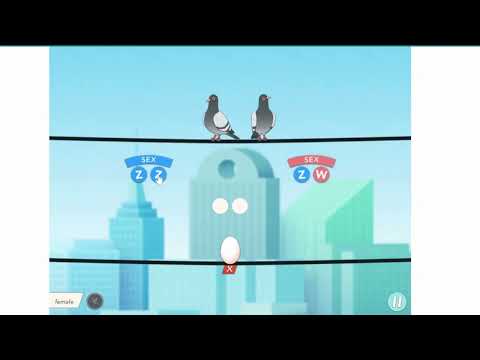
At its core, pigeonetics looks at how pigeons inherit traits from their parents. It’s like a family reunion for genes! You’ve got different traits like color, size, and even behavior that get passed down through generations. And guess what? Some of these traits can be pretty wild!
- Color Variations: Pigeons come in all sorts of shades. There are blues, blacks, whites, and even those stunning iridescent ones. The color comes from pigments in their feathers which are controlled by genes.
- Size and Structure: Ever notice how some pigeons seem to be built like tiny tanks while others are more slim? This variation in body size is another genetic trait that can affect their speed and flying abilities.
- Behavioral Traits: Yup, genetics can even influence how chill or skittish a pigeon might be around humans. Some might love chilling on your windowsill while others will take off at the slightest noise.
You know what’s super fascinating? Breeders have actually used these genetic traits to create specific types of pigeons over the years. For instance, racing pigeons have been selectively bred to enhance their homing ability and speed. These birds can fly hundreds of miles back home! I once saw a documentary where they showed how seriously some folks take racing—like training plans for athletes!
Then there’s the whole **science** part of it too—DNA analysis has opened doors to understanding the genetic makeup of different pigeon breeds. Scientists can compare DNA sequences to find out which genes influence things like feather color or flight patterns. It’s kind of like putting together a puzzle but way more complex!
If you ever wondered why some pigeons have funky feather patterns or unusual colors that make them stand out – well, that often comes down to mutations in their genes. Sometimes these mutations give rise to unique combinations that can become popular among pigeon enthusiasts.
But here’s where it gets really interesting: studying pigeon genetics isn’t just about understanding our feathery companions better. It also helps scientists learn broader principles about genetics itself! Birds have been key models for studying evolution and adaptation because they reproduce quickly and are found all over the world.
The next time you see a group of pigeons pecking around, maybe take a moment to appreciate the complexity behind them! From their **gene pools** to their quirky behaviors shaped by evolution—it’s all intertwined in this big web we call nature.
Exploring Darwin’s Pigeon Experiment: Insights into Evolution and Natural Selection
Darwin’s pigeon experiments are like a masterclass in evolution and natural selection. You may think, “Pigeons? Really?” But seriously, these birds have so much to tell us about how species adapt and change over time. Let’s break it down.
First off, Darwin was not just a scientist; he was also a big-time pigeon enthusiast! He loved breeding them and saw that different traits could emerge based on selection. Basically, he played the role of nature but with pigeons in his backyard. Kind of funny, huh?
Now, when you think of natural selection, imagine this: if you breed two pigeons that have long tails, their chicks are likely gonna have long tails too. This is what Darwin observed! He noticed that certain features were enhanced because people favored them. So he was showing how traits can be passed down through generations—like family recipes but for feathers!
Here’s where it gets really interesting. Darwin didn’t just stop at looks. He also studied behavior and performance in his pigeons. Some flew better than others or had unique calling sounds. This indicated that even non-physical traits might be subject to natural selection. Isn’t it cool how many layers there are to evolution?
Also, let’s talk about diversity within the same species—something you see a lot among his pigeons. They came in all shapes, sizes, and colors! This variation is super essential for evolution since it gives a population options when environmental changes hit hard.
- Trait Selection: Breeding for specific traits showed how selective pressures can guide evolution.
- Behavioral Traits: Differences in flying skills or calls revealed more than just physical characteristics matter.
- Diversity: The differences among pigeons highlighted the importance of variation for survival.
Think about your garden plants. If one type struggles during a drought while another thrives, guess which one is gonna be left standing at the end? That’s natural selection at work!
Darwin’s work with pigeons wasn’t just some hobby; it laid down some serious groundwork for understanding evolution as we know it today. His observations helped people realize that **evolution isn’t just random**; it has patterns driven by environmental factors and selective breeding—which is kind of like Mother Nature’s way of saying who gets to stay and who doesn’t.
So next time you see a pigeon strutting down the street or perched on your window sill, remember: these ordinary birds are actually little messengers from the past, telling us stories about adaptation and survival that date back millions of years! Isn’t that wild?
Understanding the Hierarchy of Dominance Among Pigeon Wing Pattern Alleles: A Genetic Analysis
Sure, let’s chat about pigeon wing patterns and genetics. Pigeons are more than just pretty birds—they have some pretty interesting genetics behind those colorful feathers.
First off, when we talk about the **hierarchy of dominance among allele** related to pigeon wing patterns, we’re really diving into how certain genetic traits get passed down. It’s like a family tree but for genes.
So what are these **alleles**, anyway? Think of them as different versions of a gene. For instance, pigeons can have various wing patterns like solid colors, splashes, or even checkerboard designs. Each pattern is determined by specific alleles inherited from their parents.
Now, onto the hierarchy part! Here’s where it gets intriguing. Certain alleles can be dominant or recessive. A **dominant allele** means that even if you inherit just one from a parent, you’ll show that trait. In contrast, a **recessive allele** needs two copies (one from each parent) to make its mark.
- Dominant Alleles: These can mask the presence of recessive ones. For example, if one parent has a solid color wing pattern (dominant) and the other has a checkered pattern (recessive), the offspring will display the dominant solid color.
- Recessive Alleles: These show up only when two recessive alleles come together in an offspring. So if both parents carry recessive traits without showing them themselves—they could still produce offspring with those hidden traits!
It’s fascinating because this dominance hierarchy creates variety within populations of pigeons—some might have striking patterns while others are more muted.
Let’s illustrate this with a little story: I once watched a young kid in my neighborhood who raised pigeons for fun. He had a few with vibrant feather colors and cool patterns that made them stand out at fairs! But what really caught my attention was how excited he got when he bred two birds and ended up with an unexpected pattern in their chicks! You could see how proud he was to discover that sometimes all it takes is mixing different alleles to create something unique.
And here’s another layer: sometimes traits don’t behave as you’d expect because there can be **incomplete dominance** or **codominance** at play as well! With incomplete dominance, neither allele completely dominates; instead, they blend together—like mixing paint colors, creating something entirely new!
Overall, understanding this hierarchy not only tells us about pigeon aesthetics but also opens doors into broader discussions on genetic diversity and evolution in birds overall.
Isn’t it amazing how tiny changes at the genetic level can lead to such beautiful variations? Seriously though—those feathers tell quite a story if you know how to read them!
So, let me tell you a bit about pigeons. Yeah, those birds that you’ve probably seen flapping around in parks or pecking away at crumbs. You might think they’re just… well, pigeons, right? But here’s the thing: there’s a whole world of science behind them that’s actually pretty amazing. It’s called “pigeonetics.” Sounds catchy, huh?
I remember this one time when I was hanging out with a friend who’s really into birds—like, seriously passionate about them. We went to a local park where flocks of pigeons were strutting their stuff. She started chatting excitedly about the different breeds and their behaviors. I was just blown away! There are racing pigeons that can fly hundreds of miles and find their way home faster than you can say “What’s for dinner?” These little guys have navigational skills that would leave most of us totally lost.
Now, pigeonetics is all about understanding these incredible birds—their genes, breeding patterns, and their unique abilities. Scientists have even started looking into the relationship between genetics and behavior in pigeons. How crazy is that? You get to see how traits are passed down through generations, kind of like how we inherit our quirky family traits—like Uncle Joe’s laugh or Aunt Sue’s love for knitting.
But it isn’t just about the science; it’s also about the community. Pigeon enthusiasts often come together through clubs or online forums to share their knowledge and experiences. It’s like this big family where everyone supports each other while learning more about these feathered friends. You know how sometimes you find your tribe? That sense of belonging is priceless.
And let’s not forget the role pigeons play in history! They’re not just flying around aimlessly; during wars, they’ve been used as messengers carrying important information across enemy lines—talk about dedication! Seriously though, when you think about how many lives those little creatures might have saved by delivering messages on time? Mind-blowing!
So yeah, next time you see a pigeon waddling around looking for a snack or cooing softly on your balcony, remember there’s so much more beneath the surface than meets the eye. Pigeonetics isn’t just a neat term; it connects people with science in ways we might not expect. Who knew these urban birds could lead us to explore genetics and community at the same time? Life sure has its interesting twists!