You know that moment when you trip over your own feet? It’s like your body suddenly forgot how to walk! Seriously, it’s pretty hilarious, but there’s a whole lot of science behind even the simplest movements we make every day.
Biomechanics is basically the cool fusion of biology and physics that helps us understand how we move. Think about it: whether you’re running for the bus or just standing up to grab a snack, there’s a whole dance of muscles, bones, and joints working together.
And it’s not just about avoiding embarrassing tumbles. Understanding human movement can help in so many areas—like sports, rehab, or even just keeping our backs from going out when we bend down to tie our shoes.
So let’s chat about this fascinating mix of science and life. You’ll see how analyzing our moves can unveil some surprisingly neat insights!
Exploring Biomechanical Movements: A Comprehensive Example in Scientific Analysis
Biomechanics is pretty cool, right? It’s the science of how our bodies move and function. You know, like when you watch a friend throw a ball or dance at a party? That’s biomechanics in action. But let’s break it down so it all makes sense.
First off, biomechanics mixes biology and mechanics. So basically, it studies how muscles, bones, tendons, and ligaments work together to produce movement. Think about running. When you sprint across a field, your body has to coordinate a ton of things: your legs have to push against the ground while your arms swing back and forth to help maintain balance.
A common example of biomechanics is walking, which we do more than we think! When you take a step:
- Your foot hits the ground—this is called the initial contact.
- Your weight shifts forward onto that foot—the loading phase.
- The back foot starts to lift off—welcome to the midstance!
- You propel yourself forward into the next step—that’s called push-off.
You see how those phases work together? Pretty neat! Each part involves different muscles kicking in or relaxing. Ever tried walking on sand versus concrete? Your body uses different strategies depending on the surface!
Now let’s talk about something else—like why understanding biomechanics matters! Imagine an athlete training for a big competition. They need their movements to be as efficient as possible. This means understanding where they might waste energy or risk injury.
For instance, if someone has bad running form (like overpronating), their knees might get stressed out over time. That kind of knowledge can help trainers adjust their techniques so they run more effectively while reducing injury risks.
And here’s another fun example: consider lifting something heavy like groceries (we’ve all been there). If you bend your knees and keep your back straight, you’re using good biomechanics—you’re protecting yourself from strains and sprains.
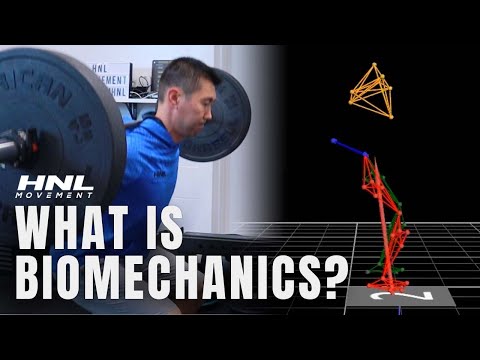
In sports science labs, experts sometimes use high-tech gadgets like motion capture cameras to study these movements up close. They analyze everything from speed to joint angles! I remember watching a video where researchers tracked how basketball players jump for slam dunks—it was super fascinating to see them break down each muscle’s role in that explosive leap!
So yeah, whether you’re an athlete or just going about your daily business, understanding biomechanics can seriously improve how efficiently and safely you move through life. It lets us appreciate our bodies’ incredible designs while helping prevent injuries along the way.
So next time you’re out doing stuff—running for that bus or reaching for that snack on the top shelf—think about all those little biomechanical wonders happening inside you! Isn’t it amazing how much goes into simple movements?
Exploring the Sciences of Human Movement: An Overview of Kinesiology, Biomechanics, and Motor Control
Sure! Let’s chat about how we move—specifically, the sciences behind all that action. It’s pretty cool when you dive into it. So, we’ve got three big players in understanding human movement: Kinesiology, Biomechanics, and Motor Control. Each one brings something unique to the table.
Kinesiology is like the umbrella term for studying movement. Imagine someone really into sports science or physical education—that’s often where kinesiologists hang out! They look at how our bodies move during various activities, be it running a marathon or just lifting groceries. They dive into physiology, anatomy, and even psychology to see how our muscles and minds work together when we decide to jump, squat, or dance around in our living rooms.
Now onto Biomechanics. This one’s super intriguing because it takes a more physics-y approach. Think of it as applying the laws of physics to our bodies. Biomechanists study forces acting on us during movement—like gravity pulling down when you leap off your couch for that last slice of pizza. They analyze everything from gait (how you walk) to joint movement and muscle coordination. For instance, have you ever thought about how your knees bend while climbing stairs? That’s biomechanics working its magic!
Then there’s Motor Control. This is all about how we learn and fine-tune movements over time. You remember learning to ride a bike? At first, it was probably wobbly and nerve-wracking! But through practice, your brain figured out how to balance and pedal smoothly. Motor control studies the processes in your nervous system that help coordinate those movements—it’s like guiding your body on autopilot once you’ve got the hang of things!
So yeah, all these fields connect in fascinating ways:
- Kinesiology focuses on overall movement—whether it’s running fast or stretching after a long day.
- Biomechanics breaks those movements down into forces and physics—like analyzing your sprinting technique.
- Motor Control helps us understand the learning process involved with mastering those movements.
Imagine watching a child learn to throw a ball: at first, they might just hurl it across the yard without any finesse. But over time—with practice—they start getting better; their throws become more accurate and powerful! That transformation is motor control at work.
When you really get into the nitty-gritty of these sciences, it becomes clear just how complex human movement is—it doesn’t just happen randomly; there’s so much going on behind the scenes! The next time you’re doing something physical—like dancing at a wedding or playing catch—you might think about how kinesiology helped you figure out those moves like pro athletes do!
So yeah, there’s this intricate dance between these fields making sure we can walk upright without tumbling over ourselves every two seconds! Isn’t that kind of mind-blowing?
Exploring the Dynamics of Motion: Fundamental Principles and Applications in Science
So, motion is like the music of life, right? Whether it’s running down the street to catch a bus or just reaching for that last slice of pizza, understanding how we move is super interesting. That’s where biomechanics comes into play. It’s all about the science behind our body’s movements and how we interact with the world.
Biomechanics merges biology and mechanics. It looks at how our muscles, bones, and joints work together when we move. This helps us answer questions like: Why do you feel sore after a workout? Or why can some people jump higher than others?
- Force: Think about it as a push or pull that can make you speed up, slow down, or change direction. For example, when you throw a ball, your arm creates force that sends it flying through the air.
- Torque: This one’s interesting! It’s all about rotation. Picture yourself trying to open a heavy door; you have to apply torque around the hinges to get it moving.
- Gravity: Gravity pulls everything down towards the Earth. When you jump, gravity brings you back down! Understanding its effect on your body helps us train better.
Now let’s talk about everyday movements. You know when you’re walking or running? There’s so much going on! Your muscles are contracting and relaxing in sync with your bones working like levers. Every step involves balancing forces to keep you upright—pretty cool, huh?
And don’t even get me started on sports! Athletes use biomechanics to improve performance and avoid injuries. Like sprinters analyze their starting position to maximize speed off the blocks or basketball players tweak their jumps for better shooting accuracy.
Real-life applications cruise beyond sports too. In rehabilitation therapy, understanding movement dynamics helps design exercises for recovery after injuries. Ever sprained an ankle? Those recovery plans often rely on biomechanics principles to gradually strengthen those muscles.
Remember when I mentioned that soreness after working out? Well, during intense workouts, small tears form in muscle fibers—it sounds scary but it’s totally normal! Biomechanics helps us understand how these tears heal over time and why stretching is essential post-exercise.
Finally, let’s touch on some futuristic stuff: prosthetics! With advances in biomechanics and technology, prosthetic limbs are becoming more advanced every day. They now mimic natural motion much better than before—how awesome is that?
So basically, motion isn’t just something we do; it shapes our everyday life in countless ways—from basic movements to cutting-edge tech innovations in health and sports! Understanding these principles not only enlightens our perception of human movement but also opens doors for improvements across various fields of science.
You know, when you think about how we move in our daily lives, it’s like a dance of sorts, right? I mean, every time we take a step or reach for something, there’s this whole symphony of forces at play. To put it simply, biomechanics is the study of those forces and how they interact with our bodies.
So picture this: I once watched my little niece chase after a butterfly in the park. She was running with such joy and abandon! But what struck me was how her body moved—her legs propelling forward, arms flailing a bit for balance. It reminded me that even in the simplest actions, there’s some pretty intricate science happening behind the scenes.
Biomechanics helps us understand things like walking, running, jumping—almost everything we do! It’s not just about athletes either; it’s relevant to everyone. Have you ever noticed how you adjust your posture when you’re lifting something heavy? Your body instinctively knows to engage certain muscles to avoid injury. That’s biomechanics in action!
And let’s not forget about all the little adjustments our bodies make each day. When you’re sitting at your desk for hours (hey, guilty!), your spine might start to ache because of poor posture. But if you’re aware of how biomechanics works—like understanding how your joints are aligned—it can make all the difference.
Scientists study this stuff too! They look at everything from gait analysis (that fancy term for studying how we walk) to figuring out the best ways to design sports equipment that can help reduce injuries. So whether it’s developing better shoes or creating programs that teach us proper lifting techniques, they’re working on making our movements safer and more efficient.
You see? Biomechanics isn’t just some dry textbook subject; it’s rooted in real-life experiences. It makes you appreciate even the simplest motions—like standing up from a chair or playing tag with friends. Next time you’re moving around your space—whether lounging on the couch or sprinting on the track—think about that delicate balance of forces and rhythms going on within your very own body!