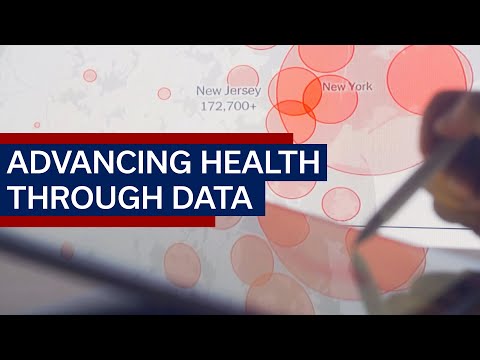
You know that feeling when your phone gives you a reminder to drink water, and you’re like, “Why are you micromanaging my life?” Well, turns out that little nudge is part of something way bigger.
Biomedical informatics is like that personal assistant for health and medicine—but way cooler. It takes all the data we gather about our bodies and helps us make sense of it. Imagine if your doctor could predict what might happen to you based on your unique profile. Sounds like sci-fi, right?
But it’s not just fiction; it’s happening now! This field is changing how we think about health and disease, making things more personalized. It’s almost like getting a superpower for understanding how our bodies work.
Stick around as we explore some of the wild innovations popping up in this space. Trust me; this is one adventure you’ll want to join!
Understanding Biomedical Health Informatics: Transforming Healthcare through Data and Technology
Biomedical Health Informatics is a fascinating blend of science, technology, and healthcare. You know how we’re living in this age where data is key? Well, that’s exactly what this field is all about—using data to improve health outcomes. It’s like having a superpower when it comes to understanding and delivering better care.
Basically, it deals with managing health information through computer systems. Think about your doctor’s office: they have tons of data about patients, treatments, medications—all kinds of stuff. But how do they use that information effectively? That’s where health informatics swoops in to save the day.
One major goal of this field is to streamline healthcare processes. For instance, electronic health records (EHRs) allow doctors to quickly access a patient’s history. Imagine if you walked into the hospital with a severe allergy and the doctor had no idea because your file was lost somewhere? With EHRs, that situation becomes way less likely. Doctors can see what medications you’re on at the click of a button!
Another cool aspect is data analytics. This involves collecting massive amounts of data and analyzing it for patterns or trends. For example, let’s say a new treatment for diabetes emerges. By crunching numbers from patients treated with this new approach, researchers can identify how effective it really is. It’s like being a detective but with stats instead of magnifying glasses!
But don’t forget about patient engagement! Engaging with patients through mobile apps or wearable tech can help them take charge of their own health. Let’s say you have one of those fancy fitness trackers that monitors your heart rate or sleep patterns. These devices send that info right back to your healthcare provider! Suddenly your doctor isn’t just guessing what might be going on—they’ve got real-time data on you!
Now, there are some challenges too. Data security and privacy are big deals in health informatics. People want their info protected—rightly so! No one wants their medical history floating around in cyberspace for anyone to see. So organizations work hard to keep everything secure—kind of like putting locks on all those doors in the digital world.
And here’s another thought: interoperability in healthcare IT systems is crucial as well! You’d think all these different software systems and databases would talk to each other easily—but nope! Sometimes they don’t play nice together at all. When that happens, patient care suffers because vital information gets lost in translation.
In short, biomedical health informatics transforms the way we think about healthcare by harnessing the power of data and technology to create smarter solutions for patients and providers alike. It’s exciting stuff! Every time you hear someone talk about innovative healthcare practices or preventive medicine advancements, there’s likely some nifty informatics magic behind it.
So next time you’re at the clinic or browsing an app related to your health, just remember: there’s a whole team behind the scenes working hard with data to make sure you’re getting the best care possible!
Understanding Advancing Health Informatics: Transforming Science and Healthcare
Health informatics is where computer science meets healthcare, and it’s pretty cool. Seriously! It’s a game changer in how we manage and understand health data. You might think of it as the glue that holds together patient records, treatment plans, and even research findings.
First off, what is health informatics exactly? Well, it’s basically the use of technology to collect, store, and analyze health information. Imagine a massive library filled with health data—everything from patient histories to research studies. Health informatics helps us find what we need in that library without getting lost.
One major advancement is electronic health records (EHRs). Remember when doctors had stacks of paper for patient charts? Those days are fading fast. EHRs make it way easier for healthcare providers to access patient info instantly. This means fewer mistakes and quicker responses in emergencies—like when seconds can save lives.
Data analytics plays a huge role too. By analyzing huge amounts of health data, researchers can spot patterns that might not be obvious at first glance. For example, they might find trends showing how certain diseases spread in specific populations or even predict outbreaks before they happen!
But wait, there’s more! Health informatics also fuels personalized medicine. This means treatments are tailored to individual patients based on their unique genetic makeup or lifestyle choices. Picture this: instead of a “one-size-fits-all” approach, your doctor provides care specifically designed for you!
Another exciting area is telehealth. With the power of technology, you can have a check-up from your couch while wearing pajamas—no judgement here! Telehealth has become super important, especially during times like the pandemic when visiting hospitals wasn’t always safe.
And let’s not overlook the impact on research. Scientists use informatics tools to collaborate across the globe—sharing data faster than ever before. This helps speed up discoveries like new treatments and vaccines because researchers aren’t working in isolation anymore.
As cool as this all sounds, there are challenges too. Think about privacy concerns—keeping patient information secure is critical! If hackers get involved? Yikes! The healthcare industry is investing heavily in cybersecurity to keep our info safe.
To wrap it up: advancing health informatics is transforming science and healthcare through better data management and analysis techniques. It’s about making healthcare smarter and more efficient for everyone involved. Seriously though, isn’t it amazing how far we’ve come?
Exploring Recent Advancements in Biomedical Science: Innovations Shaping the Future of Healthcare
So, biomedical science is like this huge playground where researchers are constantly coming up with new toys—well, tools!—to better our health. You’ve probably heard about how tech is shaking things up in healthcare, right? Well, let’s break down some of the cool advancements that are helping shape the future of medicine.
Genomics has been a game changer. It’s all about understanding the DNA sequences that make us who we are. By mapping out genomes, scientists can identify genetic markers for diseases and even tailor treatments to individuals. Imagine getting a medicine made just for you because it works best with your unique genetic makeup!
Then there’s biomedical informatics. This fancy term covers how we use data and technology to improve healthcare delivery and research. Think about it: hospitals generate tons of data every day. With smart algorithms and machine learning, it’s possible to sift through mountains of information to find patterns that help doctors diagnose diseases faster or predict which patients might get complications.
Another bright star in this field is telemedicine. It was already on the rise, but then came the pandemic—boom! Suddenly, seeing a doctor from your living room was not just a convenience but often a necessity. Through video calls or apps, people access care like never before. It’s especially great for folks who live far from medical centers.
Also exciting: 3D printing. Seriously, it sounds like sci-fi! Scientists are now able to print prosthetic limbs or even organs using specialized materials that mimic human tissues. This innovation can reduce surgery times and make implants more accessible for those in need.
And let’s not forget wearable technology. Whether it’s fitness trackers or smartwatches that monitor heart rates or sleep patterns, these gadgets empower you to take control of your health on a daily basis. Some even track more complex metrics like blood sugar levels!
Lastly, emerging therapies using CRISPR technology offer potential cures for genetic disorders by editing out faulty genes. It raises all sorts of ethical questions but opens doors you wouldn’t believe were there before!
So yeah, biomedical science keeps pushing boundaries in ways that could make healthcare not only more personalized but also way more effective than ever before. All these innovations are helping us live healthier lives and giving hope to those battling tough health issues—and that’s pretty amazing!
You know, when we talk about health and technology nowadays, it’s hard not to get a little excited about what’s happening in the world of biomedical informatics. It’s like this hidden superhero that’s quietly working behind the scenes to improve healthcare. Imagine having all the knowledge from countless medical studies right at your fingertips. That’s basically what biomedical informatics does—it organizes and analyzes health data to help make better decisions for patients.
I remember sitting in a coffee shop one day, overhearing a conversation between two doctors. One was frustrated with the older methods of keeping track of patient records. You could see how much he wished he could just tap into a system that would give him instant access to everything he needed about his patients—like their history, allergies, and even previous treatments. That moment struck me because it made me realize that so many people rely on this information for their health outcomes.
The innovations in this field are seriously impressive. They’re not just crunching numbers; they’re transforming lives! With electronic health records (EHRs), for example, doctors can share critical information quickly and easily. This isn’t just convenient; it can literally save lives when you think about how fast decisions need to be made in emergencies.
And let’s not forget about data analytics! It’s amazing how analyzing trends can help public health officials track disease outbreaks. Remember those pesky flu seasons? Well, researchers can now analyze patterns from years past to predict when an outbreak might hit next year! So cool, right?
But here’s the thing: as incredible as these innovations are, there are challenges too. We’ve got privacy concerns lurking around every corner. With so much sensitive health data being shared online, ensuring people’s information remains confidential is super important.
So yeah, advancing health through biomedical informatics shines a light on how we can innovate and improve patient care while also reminding us of the responsibility that comes with it all. It makes you think about the future—what other surprises might be waiting for us as technology keeps evolving? Only time will tell!