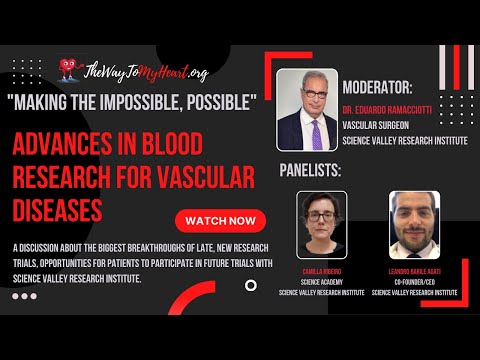
So, blood. Our lifeline, right? It’s kind of weird to think about how something so red and gooey is basically the river that flows through our bodies. Kinda like a superhighway transporting all those tiny delivery trucks (cells) to keep everything running smoothly.
You know, I once got a little too into it during a biology class. We were watching this video about blood cells under a microscope, and I started imagining them having tiny conversations. “Hey! You got the oxygen? I’ll take that carbon dioxide!” It was hilarious in my head! Anyway, that’s where the magic happens.
But here’s the deal: blood pathology is like the behind-the-scenes drama of this whole operation. It’s all about what goes wrong when things get messy in your bloodstream and how scientists are stepping up their game to tackle these issues. Seriously, advancements in this field are mind-blowing! So let’s chat about what’s new and how these breakthroughs really matter for our health.
Exploring Recent Advances in Blood Transfusion Technology and Their Impact on Modern Medicine
When we talk about blood transfusion technology, it’s like stepping into a world that’s constantly evolving. You know, just a few decades ago, the process was pretty basic. But like all things in medicine, it has come a long way—seriously! This evolution is crucial because blood transfusions save lives. So, let’s break down some of these recent advancements and see how they’re impacting modern medicine.
One major leap forward is the **development of artificial blood products**. They’re not quite ready to take over from human blood just yet, but researchers are making strides. Imagine being able to create a substance that helps transport oxygen in the body without needing donors. It could change everything for people with specific types of anemia or for trauma patients who need urgent care.
Another exciting area is **pathogen reduction techniques**. It sounds super technical, but here’s the deal: we want to ensure that the blood we use is safe and free from any viruses or bacteria. New technologies are now able to reduce the chance of infection by treating donated blood in ways that eliminate harmful micro-organisms while keeping those precious red cells intact.
And then there’s **improved matching protocols** for transfusions. Before, matching blood types seemed like a straightforward task—A, B, AB, O—you get it? But advancements in genetic testing allow doctors to match not just based on those types but also on other factors like specific antigens and antibodies. This leads to better compatibility and fewer reactions during transfusions.
What about **cell preservation techniques**? Blood doesn’t last forever; it can degrade over time. But scientists have figured out better ways to store red blood cells so they stay effective longer. Imagine having supplies ready for emergencies without worrying they’ll expire too soon!
The rise of **automation and robotics in blood banks** is another cool trend. Machines now help with tasks that used to need lots of human hands—like sorting donations or testing samples for diseases. This not only speeds up processes but also reduces human error—a win-win!
Personalized medicine is knocking on our door too. Instead of one-size-fits-all treatments after a transfusion, doctors can tailor approaches based on individual patient needs and genetic backgrounds. It’s about making sure that every person receives care that suits them best.
Lastly, there’s this concept called **transfusion medicine education**, where healthcare providers continuously learn about new technologies and methods being developed in this field. They’re always honing their skills so patients receive the best possible care—how awesome is that?
To wrap things up—you see how these advancements don’t just sit there; they ripple through every aspect of patient care in hospitals today. Each little change adds up to better outcomes on a big scale! It’s really inspiring to think about how far we’ve come and where we might go next in saving lives with modern medicine through innovative approaches in blood transfusion technology!
Exploring Recent Innovations in Pathology: Transforming Advances in Diagnostic Science
Pathology has come a long way in recent years, and it’s pretty exciting! With advancements in diagnostic science, particularly in blood pathology, we’re seeing transformations that can really change how diseases are detected and treated. You know, it’s like having a supercharged toolbox for doctors to work with.
One major innovation is the use of molecular diagnostics. This is where doctors can look at the genetic material in your blood sample. Why does this matter? Well, by identifying specific genes or mutations, they can tailor treatments to be more effective. For example, some cancers have unique genetic markers that can guide oncologists on what medicine will work best for the patient. Isn’t that cool?
Another fascinating development is liquid biopsies. Instead of doing invasive procedures like biopsies to get tissue samples, doctors can just draw blood. This makes it simpler and less painful for patients. Liquid biopsies analyze circulating tumor DNA (ctDNA) or other biomarkers in your blood to detect cancers early or monitor how well treatments are working.
But here’s the kicker: these tests aren’t just about finding out if you’re sick; they can provide insights into lots of conditions. For example, researchers are looking into using similar techniques for autoimmune diseases or infections too!
Digital pathology is another game-changer. This refers to scanning tissue samples and analyzing them with software powered by artificial intelligence (AI). So instead of pathologists manually examining slides under a microscope—and believe me that’s super time-consuming—you have AI stepping in to help quickly identify abnormalities. It improves accuracy and speeds up diagnosis! Can you imagine how much faster people could get their results?
The implications of these innovations are massive! Early detection through improved diagnostics can lead to better outcomes for patients. If we catch something sooner rather than later; it usually means less intense treatments and a higher chance of recovery.
Of course, all this tech sounds amazing—there’s always a flip side too. There are discussions about accessibility. Not everyone has access to advanced diagnostics or the necessary healthcare infrastructure needed for these tests. So while we’re making strides forward, we also need to think about ensuring everyone benefits from these advancements.
In summary, recent innovations in pathology—like molecular diagnostics, liquid biopsies, and digital pathology—are reshaping how we approach disease diagnosis and management. The future looks bright as we continue exploring these technologies further.
Emerging Trends and Challenges in Transfusion Medicine: Key Topics for Scientific Advancement
Transfusion medicine is a field that’s always on the move. With new technologies and techniques popping up, it’s like trying to catch a wave on a surfboard—exciting but challenging! Let’s chat about some emerging trends and challenges in this essential area of healthcare.
First off, personalized transfusion therapy is starting to gain more attention. It’s all about matching blood components more accurately to patients’ needs. Why’s that important? Well, different people react differently to blood products. Tailoring transfusions can improve outcomes and minimize the risk of adverse reactions.
Another trend making waves is the development of artificial blood substitutes. Imagine if we could create something that mimics human blood and can be stored much longer! Researchers are working on this as a solution for when supplies of donated blood run low. But there are hurdles, like ensuring these substitutes can effectively carry oxygen without causing issues in the body.
Now let’s talk about pathogen reduction technologies. This tech helps ensure that the blood supply is safe by reducing or eliminating harmful viruses or bacteria. These processes are becoming more advanced and reliable, which is super crucial for patient safety. Still, they can be expensive to implement widely across hospitals.
On the flip side, one of the biggest challenges in transfusion medicine is maintaining an adequate supply of blood products. You might think everyone would jump at donating blood, but it’s not always easy! Many places experience shortages, especially during holidays or disasters when the need spikes unexpectedly.
Additionally, there’s an ongoing struggle with blood type complications. With so many different types out there—A+, O-, AB—and people moving around the globe, mismatches can occur. This means ongoing education for healthcare professionals about types and compatibility remains crucial.
Finally, ethics play a vital role too. Issues around consent for blood donation—especially from vulnerable populations—are being scrutinized more closely nowadays. It’s essential to ensure that donors are fully informed and willing participants in this life-saving process!
So basically, while transfusion medicine is leaping forward with exciting advancements like personalized therapies and artificial alternatives, it still faces significant challenges such as supply shortages and ethical considerations around donation practices. It’s a delicate balancing act between innovation and responsibility that requires constant attention from scientists and practitioners alike!
You know, blood is one of those things we often take for granted. I mean, we all know it’s important—it keeps us alive and carries oxygen, nutrients, and all that good stuff. But have you ever thought about what’s happening in the world of blood pathology? It’s like this whole hidden universe.
Just the other day, I was chatting with a friend whose sister is dealing with some serious health issues. She kept mentioning how her doctor uses these advanced blood tests to figure out what’s going on inside her body. It blew my mind! Like, back in the day, diagnosing conditions felt like a guessing game at times. But now? With advancements in technology and science, it’s getting way more precise.
For instance, there are these fancy tests that can identify genetic markers or even pinpoint certain diseases before symptoms show up. Imagine knowing you’re at risk for something before it hits you! It’s kind of scary but also super empowering to think about understanding our bodies better than ever before.
And here’s another interesting angle: personalized medicine. You know how everyone is different? Well, these advancements allow doctors to tailor treatments based on an individual’s specific blood profile. That’s big! It means treatments can be more effective and side effects could be minimized.
But here’s where it gets a little tricky—accessibility. Not everyone has the same access to these advanced tests or treatments. It kind of makes you think about health equity and how crucial it is for everyone to have equal opportunities when it comes to their healthcare.
So yeah, advancements in blood pathology are more than just cool science facts—they’re reshaping how we understand health and disease altogether! It’s a fascinating time in medicine when breakthroughs seem to be happening almost daily. For better or worse, our relationship with our own biology is evolving in some pretty neat ways.