You know that moment when you trip over nothing and your whole body seems to go into slow-mo? Yeah, that’s your bones and muscles at work—kind of like a clumsy dance.
Seriously, have you ever stopped to think about how amazing it is that we can jump, run, and even do the robot at a wedding? It’s all thanks to this fantastic pair: bones and muscles.
They’re like the ultimate buddies, holding us up while also giving us the strength to move around like we own the place. Not sure if I’m explaining myself well here, but imagine trying to do anything without them—like just sitting still. Rigid, right? Sounds boring!
So let’s take a closer look at how this dynamic duo keeps us on our feet—or sometimes off our feet—depending on how clumsy we’re feeling!
Exploring the Role of Bones and Muscles in Human Movement: An In-Depth Scientific Analysis
So, let’s get into the fascinating world of bones and muscles, the real MVPs when it comes to human movement. You might not think about it often, but these systems are like the unsung heroes of your day-to-day life. Without them, well, you’d just be a blob on the ground. Yup, kind of dramatic, right?
First off, **bones** form the structure of our bodies. These hard bits serve a lot of purposes! They protect vital organs like your heart and lungs, store minerals like calcium and phosphorus, and even produce blood cells in the bone marrow. They’re pretty multifunctional if you think about it! Imagine trying to run away from a dog chasing after you—without bones to hold you up, that’d be impossible.
Now let’s chat about **muscles**. Basically, they’re what get us moving. Muscles come in three types: skeletal, smooth, and cardiac. Skeletal muscles are what you think of when you imagine flexing your biceps or doing leg day at the gym. They allow voluntary movements—anything under your control! Smooth muscles work automatically inside your organs (like chewing food or rolling your stomach), while cardiac muscle makes your heart pump without needing any thought from you.
So how do these two systems work together? It’s like a perfectly coordinated dance! Here’s a quick rundown:
- Movement Initiation: When your brain decides you want to move—say wave hello—that signal travels down through nerves to specific muscles.
- Contraction: Muscles contract (they shorten) when stimulated by nerves. Imagine squeezing a sponge; that’s kind of what happens!
- Bone Leverage: As muscles pull on bones via tendons (the tissue that connects muscle to bone), they create motion at joints.
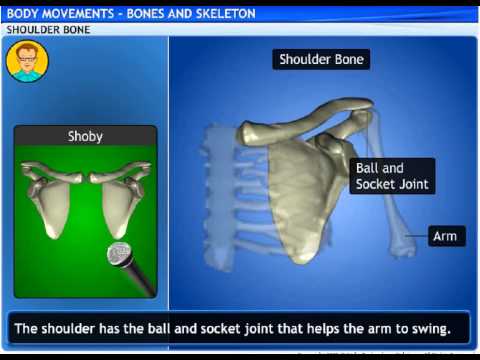
Let’s talk joints for a sec because they’re essential in this whole movement thing too! Joints are where two or more bones meet and allow for movement; think knees, elbows, and shoulders for bending or rotating actions. Each joint has different ranges of motion—like a hinge door versus a ball-and-socket joint.
Here’s an interesting tidbit: ever heard someone say they’re “in their element” when moving? Well, it’s true! When we engage in activities we love—like dancing or hiking—it feels incredibly natural because our bones and muscles adapt over time through practice and experience. This connection really highlights how our physical framework responds to what we love doing!
But hey, it’s not all sunshine and rainbows; wear and tear on this system can lead to pain or injury too. Like with any machine—or body part—you gotta look after it! Regular exercise can maintain bone density and muscle strength as we age.
In short (pun intended), bones give us structure while muscles drive our movements like an engine revving up for adventure! Together they create this amazing synergy making humans capable of everything from running marathons to simple things like scratching an itch.
It really is wild how intricate yet fascinating our bodies are — just imagine all that teamwork happening every single day without us really thinking about it! So next time you stand up or stretch out after sitting too long at your desk? Give a little nod of appreciation to those trusty bones and resilient muscles keeping everything moving along smoothly!
Understanding the Role of Bones and Muscles in Human Anatomy: The Framework Supporting Movement and Stability
Sure! Let’s chat about bones and muscles, shall we? These two friends really hold the whole human body together, literally and figuratively. Think of them as a superhero duo that keeps you moving and makes sure you don’t flop over like a rag doll.
Bones are like the rigid scaffolding of your body. They’re strong but light enough to allow you to move around easily. Without them, well, you’d be a big blob! There are about 206 bones in an adult human body, and they come in different shapes and sizes. Some are long, like your femur (that’s your thigh bone), while others are short, like the ones in your wrist.
Now let’s talk about why bones matter so much. First off, they provide structure. That’s pretty important if you want to stand up straight or walk without collapsing. They also protect vital organs; for instance, your skull is there to keep your brain safe from bumps and knocks.
Oh, and bones aren’t just sitting there doing nothing! They’re alive and always changing through a process called remodeling. Old bone gets broken down while new bone forms. It’s kind of like a never-ending construction project! This helps keep your bones strong over time.
Then we have muscles—your body’s strength machine! Muscles work with bones to make movement happen. Every time you want to lift something or even wiggle your toes, it’s all thanks to these amazing tissues.
Muscles can be classified into three main types: skeletal, smoother, and cardiac. Skeletal muscles are what you think of when someone says “muscle.” They’re the ones that help you move by pulling on bones—like when you’re flexing those biceps after doing some curls at the gym!
The smooth muscles are found in places like your stomach or blood vessels—they help with things we don’t often think about but definitely need! Cardiac muscle is what makes up your heart; it’s super special because it contracts rhythmically all day long without getting tired.
So how do these two work together? When you want to do something simple, like reach for a cup on the table, here’s what happens: Your brain sends signals through nerves to tell muscles to contract (that means they get shorter). This pulls on the bones allowing them to move closer together or further apart. The coordination is fantastic!
Stability is another key part of this relationship between bones and muscles. Your core muscles—those deep ones around your abdomen—play a huge role in keeping everything stable while you’re moving around or even just standing still.
But hey, life isn’t always smooth sailing! Injuries can happen when either bones or muscles get pushed too hard or twisted awkwardly. A fracture can break a bone while a muscle strain can occur if you’ve overdone it during exercise without proper warm-up.
So yeah! Bones build the framework that supports our structure while muscles give us the motion we need every day. Together they create this awesome system that lets us walk, run, dance—or even just chill on the couch with snacks—it’s pretty fantastic when you think about it!
Understanding the Human Skeletal System: The Framework of Human Bones Explained
The human skeletal system is pretty amazing, and it’s like the framework of our body. Imagine a house, right? You need a solid structure to keep everything together. Well, bones do that for us! They give us shape, protect our organs, and help us move around. Sounds cool, huh?
So let’s break it down a bit. Our skeleton is made up of 206 bones in adults. Yeah, that’s a lot! When we’re babies, we actually have more bones—around 270—but some of these fuse together as we grow. It’s like a puzzle coming together.
Now, these bones aren’t just sitting around doing nothing; they’re super active! They’re involved in producing blood cells, which are essential for carrying oxygen throughout your body. This process happens in the bone marrow—think of it as a little factory inside your bones!
- Support: Bones provide structure to our bodies and help us stand upright.
- Protection: They shield vital organs; for instance, your rib cage protects your heart and lungs.
- Movement: Bones work alongside muscles to let us move. It’s all about those joints!
- Mineral Storage: Bones store minerals like calcium and phosphorus. If your body needs them, it can pull from the bones.
You know what else is fascinating? The way our bones work with muscles! Picture yourself trying to lift something heavy—like that big bag of groceries—your muscles contract, pulling on the bones at the joints to get that weight up. Pretty neat teamwork if you ask me!
Bones also come in different shapes and sizes based on their roles in your body:
- Long Bones: Like your arms and legs; they help with movement.
- Short Bones: Found in your wrists and ankles; they provide stability.
- Flat Bones: Such as skull bones; they protect organs like the brain.
- Irrregular Bones: These include your vertebrae; they have unique shapes for specific functions.
If you’ve ever broken a bone (ouch!), you probably know how much it can hurt. But here’s where things get cool: bones have an incredible ability to heal themselves! After a fracture, cells rush to fix the break, laying down new bone tissue over time so you can get back to your usual activities.
This whole system also changes as we age. From childhood through adulthood to old age, our bone density fluctuates. Ever noticed how older people sometimes seem shorter? That’s partly due to bone loss over time—it’s just part of life!
Your skeletal system does so much more than just hold everything up. Think about all those times you hugged someone or jumped around with joy—every single move involves this intricate network of bones working closely with muscles!
The next time you think about what keeps you standing tall or lets you kick a soccer ball across the field, remember: it’s all thanks to this incredible framework called the skeleton. Pretty impressive stuff if you take a moment to think about it!
You know, bones and muscles are like the unsung heroes of our bodies, right? I mean, we don’t really sit around thinking about them every day, but they’re doing some seriously heavy lifting—literally! Think about it; every step you take, every stretch you make, it’s all because of these hardworking structures.
Let me tell you a quick story. I remember one time in high school during gym class, we had to do this obstacle course. I was feeling all pumped up and ready to show off my moves. But halfway over a jump, I miscalculated and landed awkwardly. Ouch! My ankle twisted, and for a moment there, I got a harsh reminder of just how delicate our bones can be. But on the flip side, that experience made me appreciate how quickly your body can adapt and heal too. It’s wild when you think about it—bones mending and muscles regaining strength.
So here’s the thing: our bones are like the scaffolding holding everything together. They give us shape and protect our organs. You might picture them as rigid structures—and sure, they’re hard—but they’re also surprisingly dynamic! They’re constantly changing based on what you do (or don’t do). Ever heard of bone remodeling? Your bones literally react to the stresses placed upon them by getting stronger or weaker depending on your activity level.
And then there are muscles—the real MVPs when it comes to movement. These guys work together in pairs; when one contracts, the other relaxes to create motion. Pretty cool metaphor for teamwork if you ask me! It’s like they have their own dance routine going on inside us all the time.
Have you ever tried stretching after sitting too long? That feeling of tension releasing is thanks to those muscle fibers doing their thing—it’s nothing short of magic! But hey, without strong bones holding everything in place, that magic wouldn’t even be possible.
It’s easy to take our body mechanics for granted until something goes wrong. We should celebrate these biological marvels more often! Just remember—you’ve got this amazing system working behind the scenes anytime you take a run or even just get out of bed in the morning. So next time you’re moving around, give a little nod (or maybe even a thumbs up) to your bones and muscles—because they really are the framework of your movement!