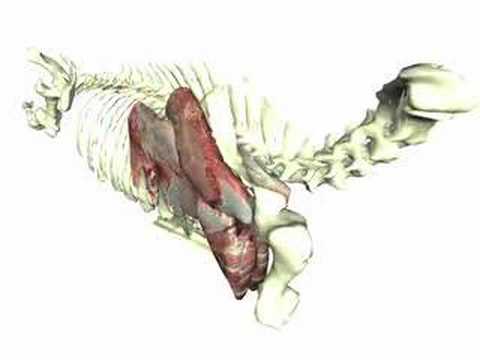
So, here’s a fun fact: did you know the average cow has about 60 different muscles in its body? That’s a lot of beefy goodness!
Now, you might be thinking, “Why should I care about cow muscles?” Well, buckle up, because understanding these muscles is kinda important. They play a huge role in how the meat we eat ends up tasting and feeling on our plates.
I remember this one time at a barbecue when my buddy was grilling steaks. He kept talking about marbling and tenderness—like he was some sort of meat maestro. And honestly? I didn’t really get what he meant back then. But now I see that it all ties back to the anatomy of those happy cows munching on grass somewhere.
So let’s break down these bovine muscles together! What do they do? How do they make your burger so juicy and delicious? You ready? Let’s hop into this meaty adventure!
Understanding Bovine Muscle Anatomy: Insights into its Impact on Meat Production
Bovine muscle anatomy is super interesting, especially when you think about how it affects meat production. Cows are fascinating creatures, and their muscles play a huge role in the quality and type of meat we get. So, let’s break this down.
First off, the cow’s body has different types of muscles, but the two main ones to consider are skeletal muscles and smooth muscles. Skeletal muscles are what we usually eat when we enjoy a steak or a burger. These are the striated muscles that help cows move around—think about how they walk, run, or graze.
Now, one thing you gotta know is that these skeletal muscles are made up of various muscle fibers. There are mainly two types: slow-twitch fibers and fast-twitch fibers.
Slow-twitch fibers, or Type I fibers, are great for endurance. They help cows stand around for long periods while munching on grass without getting tired too quickly. This means they have lots of oxygen-carrying myoglobin that gives some cuts a darker color.
On the flip side, you have fast-twitch fibers, which allow for quick bursts of movement. These would be present in areas where cows may need to escape from predators or just run around with their buddies. Cuts from these muscles often have less myoglobin and can be lighter in color.
So why does this matter? Well, the muscle composition directly impacts the quality of meat. For instance:
- Tenderness: Muscles used more often tend to be tougher because they have more connective tissue.
- Flavor: The type of diet cattle have can also affect flavor—grass-fed versus grain-fed makes a big difference.
- Aging: Meat can become more tender through a process called aging. It allows enzymes to break down some of that tough connective tissue.
A simple story comes to mind here: I once visited a local farm and saw cows grazing in a lush field. The farmer mentioned that those grass-fed beauties tended to produce beef with unique flavors thanks to their diet! That really put into perspective how intertwined all these factors are.
Another crucial aspect is how different breeds have distinct muscle structures too! Some breeds develop more muscle mass while others might focus on fat deposits for marbling—like when you see those beautiful streaks of fat within cuts like ribeye.
In summary, understanding bovine muscle anatomy isn’t just academic; it’s essential for anyone interested in meat production and quality. The interplay between muscle types finds its way into everything from tenderness to flavor profile. So next time you’re eating steak or burger, think about all the science happening behind those tasty bites!
Bovine Muscle Anatomy: Comprehensive PDF Guide for Veterinary Science and Animal Biology
Bovine muscle anatomy is a fascinating topic, especially if you’re into veterinary science or animal biology. So, let’s break it down.
First off, bovine muscles are vital for understanding how cows move and how their body is structured. These muscles help in everything from walking to grazing. But they also play a huge role in meat production. The quality and quantity of meat that comes from a cow largely depends on its muscle development.
Now, when we talk about muscles in cows, we’re mainly looking at three types: skeletal, smooth, and cardiac.
- Skeletal muscles: These are the ones you probably think of most when it comes to meat. They’re connected to the bones and allow for movement. Think about the large cuts of beef like ribeye or sirloin; those come from skeletal muscles.
- Smooth muscles: You won’t find these in cuts of meat. They’re found in places like the digestive tract and control involuntary actions—like moving food through the stomach.
- Cardiac muscle: This is specialized heart muscle that keeps the cow alive but again doesn’t show up on your dinner plate.
The skeleton of a cow consists of several important bones that support these muscle systems—like the spine, ribs, and legs. Yeah, they all work together to create that perfect structure for movement (and good ol’ beef).
What’s really interesting is how these muscles develop. Cows grow differently depending on their breed and diet. For instance, some breeds are bred specifically for muscle mass to maximize meat production—think Angus cattle vs. Holsteins.
When you look at bovine anatomy from a production standpoint, it’s useful to consider factors like:
- The amount of intramuscular fat: That’s what gives beef its flavor and tenderness.
- The size of different muscle groups: Some areas yield larger cuts than others.
- The condition or health of the cow: Healthier cows produce better-quality meat.
If you’ve ever spent time on a farm or witnessed livestock being raised, you might remember seeing calves grow rapidly with proper nutrition and care; that’s because these factors directly influence their muscle development.
In summary, understanding bovine muscle anatomy isn’t just about knowing what goes into your steak dinner—it helps in ensuring ethical practices in veterinary science and animal husbandry too! The more we comprehend how these beautiful creatures work inside out, the better we can treat them—and ourselves—when it comes to food production.
Free Download: Comprehensive Bovine Muscle Anatomy PDF for Scientific Study
Alright, let’s talk about bovine muscle anatomy and its significance in meat production. This is one of those topics that can be super fascinating if you take a moment to look closer. Bovine, just so you know, refers to cattle—think cows, bulls, and steers.
So, muscles in cows play a huge role in the meat we eat. The thing is, the way these muscles are structured can affect everything from texture to flavor when it gets to your plate. It’s like how different types of pasta have different uses in cooking; not all beef cuts are made equal!
When it comes to bovine muscle anatomy, you’ve got major groups of muscles that are key players. Here’s a quick breakdown of some important ones:
- Visceral Muscles: These help with the cow’s internal functions and aren’t usually what we think about when talking meat.
- Superficial Muscles: Located on the surface, these are important for movement and support.
- Skeletal Muscles: These make up the bulk of the body mass; they are exactly where most of our tasty cuts come from!
Each muscle contributes differently to meat quality. For example, the longissimus dorsi, which runs along the spine, is what gives us those beautiful ribeye steaks. You can imagine how much a cow uses this muscle—it helps them move around grazing!
You might find it interesting that stress impacts these muscles too. When cows are stressed before slaughter (like during transport), their muscle composition can change and affect meat tenderness. So yeah, treating animals well isn’t just good for them; it also leads to better beef!
And then there’s marbling—the little flecks of fat within the muscle tissue that break down during cooking. This fat adds flavor and juiciness! The final product really depends on how these muscles develop during the animal’s life.
If you’re looking for resources to study more deeply about bovine muscle anatomy—like diagrams or detailed descriptions—you might want to check out some academic PDFs or even textbooks focused on livestock anatomy or animal science.
To sum it up, understanding bovine muscle anatomy isn’t just for scientists or farmers; it’s also useful if you’re into cooking or just curious about where your food comes from! Just remember: every bite has a story behind it involving those complex muscles working hard while that cow was grazing out in the field.
So, let’s chat about bovine muscle anatomy and how it all ties into meat production. You know, cows are fascinating creatures! A while back, I visited a local farm for a school project, and there was this curious little calf just prancing around. It made me think about all the hard work that goes into producing the beef we often see at the grocery store.
Alright, so here’s the scoop: cows have a bunch of different muscle groups that play unique roles in their bodies. The muscles can be broadly categorized into two types—skeletal muscles and smooth muscles. Skeletal muscles are what you picture when you think of beef, like those tender steaks or juicy burgers. These muscles help move the cow around, allowing it to graze on grass and roam freely.
Now, these skeletal muscles are made up of muscle fibers that can vary in size and type depending on how they’re used. Some fibers are used for quick bursts of energy—like when our little calf friend was running around—while others are built for endurance, helping cows maintain their strength while grazing for long hours. Isn’t it interesting how the way an animal moves directly affects the tenderness and flavor of the meat we end up eating?
And then there’s this neat thing called marbling—the fat interspersed within those muscle fibers. It’s basically what makes certain cuts super flavorful and tender. When cattle are raised well, they develop more intramuscular fat which leads to that yummy taste you find in prime cuts. But if they’re not well cared for or don’t get enough exercise? You might end up with tougher meat.
Also, there’s something to be said about beef grading systems which look at characteristics like marbling and age to classify meat quality. Ever noticed how some steaks seem more expensive than others? That’s partly because of this grading system based on muscle development!
Thinking back to that farm visit, I remember chatting with a farmer who explained how crucial proper nutrition is for those cows to grow healthy muscles—and produce great meat too! Like every living thing, cows need balanced diets filled with minerals and nutrients to ensure their muscles develop properly.
Anyway, it just blows my mind how connected everything is from farming practices to dining tables! Understanding bovine muscle anatomy gives us insight into not only where our food comes from but also why certain cuts taste better than others. So next time you bite into a steak or a burger, remember all those complex structures working together to bring flavor and satisfaction to our plates!