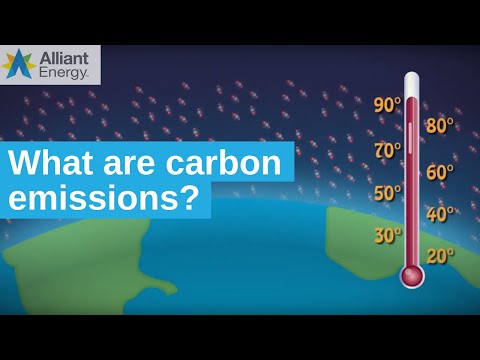
So, picture this: you’re at a barbecue, right? You’ve got burgers sizzling, friends laughing, and then someone casually mentions carbon footprints. Suddenly you’re like, “What? Are we talking about shoes here?” It’s one of those terms that gets thrown around a lot but doesn’t always make sense—kind of like why cats hate cucumbers.
But here’s the thing—carbon footprints are actually super important when it comes to climate change. They’re like the invisible mess we leave behind every time we switch on a light or fire up our cars. And honestly, understanding this stuff can really help us figure out how to be kinder to our planet.
So let’s break it down together, explore what carbon footprints really are, and why they matter in this whole climate chaos. It’ll be fun!
Understanding Carbon Footprints and Climate Change: A Scientific Perspective (PDF)
So, let’s talk about carbon footprints and how they tie into the big picture of climate change. You’ve heard of it, right? In simple terms, a carbon footprint is basically a measure of how much carbon dioxide (CO2) and other greenhouse gases you, your activities, or your products emit into the atmosphere. It’s all about understanding our impact on the planet.
Now, here’s where it gets real. Every time you drive your car, turn on the heater, or eat meat, you’re adding to that footprint. It sounds heavy because it is! But don’t freak out; awareness is the first step.
Climate change, on the other hand, is what happens when too many greenhouse gases accumulate in the atmosphere—a bit like throwing a warm blanket over the Earth. The sun shines down energy onto our planet, and normally some of that heat escapes back into space. However, increased levels of these gases trap more heat than usual. This leads to rising temperatures, melting ice caps, and all sorts of environmental chaos.
Let me share a little story. A few months back, I joined my friend for a hike in the mountains. It was breathtaking—snow-tipped peaks under clear blue sky—and then we stumbled upon this old tree that looked like it had seen ages pass by. I thought about how trees work as carbon sinks; they literally absorb CO2 from our atmosphere! But if we keep cutting them down for land use or resources? Well…you see where this is heading.
When we talk about understanding carbon footprints, we should consider three main areas:
- Personal Footprint: Think about your daily choices like transportation and energy usage at home.
- Product Footprint: Everything you buy has a hidden footprint based on how it was made and transported.
- Community & Global Footprint: Policies and industries collectively contribute a massive amount to global emissions.
You can start measuring your own carbon footprint using various online calculators! They are pretty straightforward; just input some details about your lifestyle and bam—you get numbers that might surprise you!
The thing is: changing our habits can lead to less emissions over time. For instance, using public transport instead of driving can significantly cut down that number—not to mention saving cash!
A lot of people don’t realize how meat-heavy diets can increase their footprint too—especially beef! That’s because raising livestock generates significant greenhouse gas emissions due to methane produced during digestion (yup!), as well as from manure management.
If you’re wondering what governments are doing about this—well—it varies tremendously worldwide! Some countries have implemented strict policies aimed at reducing emissions while others are still playing catch-up. With events like COP conferences happening annually, you see nations come together trying to draw up plans for reducing global warming.
You know what? With each small action—for example: switching off lights when not needed or recycling—collectively makes an enormous difference! Change begins with you taking one step at a time toward reducing that footprint and thinking twice before consuming.
The bottom line? Understanding carbon footprints helps us visualize our role in climate change clearly—it’s not just some abstract concept but something very tangible linked directly to our everyday lives! So next time you’re considering whether to walk or drive somewhere? Remember: every bit counts!
Understanding the Impact of Carbon Footprint on Climate Change: A Scientific Analysis
Alright, let’s jump into this whole carbon footprint thing and its role in climate change. You might have heard the term “carbon footprint” floating around, right? Basically, it’s a way to measure how much carbon dioxide (CO2) emissions come from our daily activities. These emissions contribute to global warming and climate change. So, what’s the deal?
The carbon footprint is calculated based on various factors in our lives—like driving cars, using electricity, flying on planes, and even producing food. Each of these activities puts CO2 into the atmosphere. And here’s the kicker: the more CO2 there is up there, the warmer our planet gets.
You see, when we burn fossil fuels for energy or transportation, we release CO2. This gas traps heat in the atmosphere like a blanket. Imagine wearing multiple layers of jackets in a warm room—it just gets stuffy! That’s basically what’s happening with our planet.
- Household energy use from heating and cooling
- Transportation methods like cars or planes
- Food production and waste
- Manufacturing processes that rely on fossil fuels
Now picture this: every time you hop in your car to grab coffee or order takeout instead of cooking at home, you’re adding to that carbon footprint. It’s not just about big industries; it’s also about what we do every day.
A little story for you: I once talked to a friend who decided to reduce her carbon footprint by biking instead of driving short distances. It made her feel healthier while also cutting down on emissions! It’s small choices like that which can really add up.
The overall impact? Higher concentrations of greenhouse gases lead to serious changes in weather patterns—think more extreme storms, droughts, and rising sea levels. This affects agriculture too; crops may not grow as well if conditions keep changing.
So what can we do? It might sound overwhelming, but every bit counts! We can reduce waste (like plastic), choose energy-efficient appliances, support renewable energy sources like wind or solar power, and even eat less meat since livestock farming generates tons of methane—a potent greenhouse gas.
The long-term goal should be reducing our collective carbon footprints as much as possible. Because guess what? We’re all part of this big picture called Earth! Every action matters—even if it feels small.
You follow me? The connection between our personal choices and global climate health is super real! By understanding how our activities affect the Earth’s climate system through carbon emissions, we can make smarter decisions for ourselves and future generations.
In a nutshell: Keep an eye on your carbon footprint because it’s tied directly to climate change—the more conscious we are about it today means a better tomorrow for everyone.
Exploring the 10 Key Causes of Climate Change: A Scientific Analysis
We’ve all heard about climate change, right? But do you really get what’s causing it? Let’s break down the major culprits behind this pressing issue in a way that’s easy to digest. So here are 10 key causes that science has pointed out:
- Greenhouse Gases: These gases, like carbon dioxide (CO2) and methane (CH4), trap heat in the atmosphere. You might think of them as a big, cozy blanket. The problem is, we’ve been piling on more blankets than we need. Natural sources exist, but human activities are the real contributors.
- Deforestation: Trees absorb CO2, acting like nature’s air filters. But when we chop them down for agriculture or urban expansion—goodbye filters! Less trees mean more carbon stays in the air.
- Fossil Fuels: Burning coal, oil, and gas releases tons of carbon dioxide. It’s like putting your car in overdrive every day without a brake. We rely on these for energy, transport, and industrial processes—but at what cost?
- Agriculture: You might not think farming contributes much to climate change. But livestock like cows produce methane through digestion—a lot of it! Plus, fertilizers can release nitrous oxide, another potent greenhouse gas.
- <b urbanization: When cities expand, they often replace green spaces with concrete jungles. More buildings lead to increased energy use and heat emissions—like a heat island effect. Cities can get so hot that they literally have their own weather!
- Lifestyle Choices: Your daily habits matter; think about how often you drive versus using public transport or biking. Each choice adds up to your personal carbon footprint—everything from the food you eat to how much electricity you use.
- <b industrial processes: Manufacturing products often involves releasing greenhouse gases as byproducts. While industry fuels our economy with goods and jobs, they also spit out emissions that harm our planet.
- <b waste management: Ever thought about what happens in landfills? Organic waste decomposes and emits methane—a significant contributor to climate change! Reducing waste by recycling can help lessen this impact.
- <b transportation: Cars and airplanes are major contributors to CO2 emissions. Think about those long flights or road trips—fun times but seriously costly for our planet!
- <b natural climate variability: At times, nature throws us curveballs with events like volcanic eruptions or solar activity impacting the climate short-term. Yet these are usually not the primary drivers of long-term changes seen today.
The thing is, every single one of us plays a role in this complex web of causes. Maybe you’re already trying to reduce your impact—you recycle your plastics or even walk instead of drive sometimes? Those small steps add up!
I remember going camping once—surrounded by trees and fresh air—and it made me realize how precious our environment is. Protecting it requires collective action because all those causes feed into one big issue: climate change isn’t just an environmental problem; it’s a humanity problem.
If we want a healthy future for ourselves and generations to come, it’s crucial to understand these factors deeply and work on solutions together. We have the tools; now we need the will!
When you hear the term “carbon footprint,” it kinda sounds like something out of a sci-fi movie, right? But, in reality, it’s just a fancy way of talking about how much carbon dioxide you—or really any person or activity—throws into the atmosphere. And this isn’t just about your car or heating your home; it covers everything from the food you eat to the clothes you wear. So, it’s pretty wild when you think about how interconnected we all are with this whole climate thing.
I remember a summer camp back in high school where we had this cool workshop on sustainability. We were all sitting around a fire, roasting marshmallows and chatting about our favorite snacks when one kid casually mentioned how much water it takes to make a burger. Like, seriously? It blew my mind! That little nugget of knowledge made me realize that our choices really add up. And that connects directly to our carbon footprints, too!
So here’s the deal: burning fossil fuels for energy releases tons of carbon dioxide. That CO2 hangs out in the atmosphere and traps heat like a cozy blanket, making our planet warmer. And yes, climate change is happening right under our noses because of this stuff! Glaciers melting? Check! Weird weather patterns? Yup! Species struggling to survive? Oh yeah!
Now, don’t get me wrong—individual actions matter. You switching off lights when you leave a room or bringing your own reusable bags to the grocery store can help lower your personal carbon footprint. But here’s where it gets tricky: those small changes need some serious backup from bigger systems like industries and governments if we’re gonna see real change.
Sometimes I feel overwhelmed thinking about all this stuff. It’s like we’re facing an uphill battle against something so massive and distant—climate change feels abstract at times, but those little stories connect us back to reality. Remember that campfire chat? It’s proof that even small discussions lead to big realizations.
So yeah, if we all began paying attention to what makes up our carbon footprints and understood its impact on climate change, well… imagine what could happen if everyone did their part! You could be surprised how even just being more aware can spark discussions and inspire others around you too. Let’s keep talking about this stuff; every little bit counts!