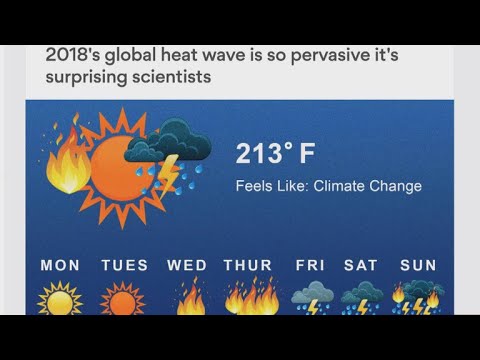
So, picture this: you’re out with friends on a sunny day. Suddenly, outta nowhere, it starts pouring like it’s the end of the world. Umbrellas flip inside out, and everyone’s running for cover. Have you been there? It’s hilarious and chaotic all at once.
Well, that might just be a funny story to tell later, but what if I told you that these wacky weather moments are more than just a funny blip in your summer plans? They’re actually tied to something way bigger: climate change.
Extreme weather isn’t just some random occurrence anymore. It’s becoming our new normal, and honestly, it’s kinda freaky. Think of hurricanes that feel like they’re throwing tantrums or heatwaves that make you question why we even have summer.
Trust me when I say this is something worth chatting about! There’s a lot going on under the hood of our atmosphere that explains why Mother Nature is getting a bit wild these days. So let’s unravel how climate change is shaking things up outside our windows!
Exploring the Impact of Climate Change on Extreme Weather Patterns: A Scientific Analysis
So, you know how when the weather’s acting all strange, like one minute it’s sunny and the next it’s pouring rain? Well, that’s not just random. We’re living in a time when climate change is stepping up its game and really messing with our weather. Let’s break it down a bit.
First off, climate change is basically about the Earth’s average temperature rising. When we burn fossil fuels, like coal and oil, we release a ton of greenhouse gases into the atmosphere. These gases trap heat, which leads to a warmer planet. And guess what? A warmer Earth can lead to more intense and unpredictable weather patterns.
Now, here’s where it gets interesting: extreme weather events. These are things like hurricanes, floods, droughts, and heatwaves. They seem to be happening more often and with greater intensity lately—and that’s not just a coincidence. The National Oceanic and Atmospheric Administration (NOAA) says we’re already seeing an uptick in severe storms.
- Hurricanes: With warmer ocean temperatures, hurricanes can gather strength faster and carry more moisture. For instance, Hurricane Harvey in 2017 dropped an insane amount of rain on Texas because the Gulf of Mexico was unusually warm.
- Heatwaves: As temperatures rise overall, heatwaves become more frequent. It’s like the Earth is turning up the thermostat—just think about recent summers where temperatures soared above 100°F in places that usually don’t.
- Droughts: Warmer air holds more moisture but also means that when it doesn’t rain for a while, that moisture tends to evaporate quicker. This can lead to severe drought conditions—like what California has faced over recent years.
- Flooding: Increased precipitation doesn’t just mean more rain; it translates to floods too! Cities are struggling because their drainage systems weren’t built for this kind of deluge.
Oh! And speaking of flooding reminds me of some footage I saw recently of folks wading through knee-deep water in their city streets after just one stormy night—such a powerful image of how fast things can change.
But wait—it’s not entirely doom and gloom! Scientists are actually looking into ways we can adapt to these changes you know? By understanding patterns better—like how warmer oceans fuel stronger storms—we can prepare better or even alert people who might be affected by extreme weather.
In essence, climate change isn’t just about slightly warmer days or weird seasons; it’s fundamentally altering how our weather works on a grand scale. It’s crucial for us to stay informed because these changes affect everything from agriculture to where people choose to live.
So yeah, keeping an eye on climate science helps us grasp what’s coming down the pipeline so that we’re not caught off guard when Mother Nature throws us her next curveball!
Understanding the Scientific Consensus on Climate Change: Insights from Climate Science Research
Climate change. It’s a term that pops up everywhere these days, but what does it really mean? Let’s break it down and explore the scientific consensus on this hot topic, especially in relation to those gnarly extreme weather events we’ve been hearing about.
So, climate change refers to long-term shifts in temperature and weather patterns. And while Earth’s climate has changed before, what we’re dealing with now is largely caused by human activities. Think about all those fossil fuels we burn and the forests we chop down. This stuff pumps greenhouse gases like carbon dioxide into our atmosphere.
The scientific consensus is pretty clear: the planet is getting warmer, and it’s because of us. Over 97% of climate scientists agree on this. If you ask them, they’ll point to a bunch of research that shows how carbon emissions trap heat in the atmosphere. It’s like wrapping Earth in a cozy blanket that’s just too warm.
Now, let’s talk about extreme weather events. You know those crazy hurricanes, wildfires, or record heatwaves we hear about? Climate change doesn’t cause these events by itself but definitely makes them more intense and frequent. So yeah, when a hurricane hits with stronger winds or when wildfires rage hotter than before, that’s not just random bad luck; it has ties to our changing climate.
- Heatwaves: They’re happening more often and lasting longer because of increased average temperatures.
- Heavy rains: As the air gets warmer, it can hold more moisture—leading to those monster rainstorms that cause floods.
- Droughts: Parched areas may get even dryer due to shifts in precipitation patterns paired with rising temperatures.
- Tropical storms
Here’s an anecdote for you: A friend of mine lives in California and used to enjoy summer camping trips in the mountains. But over recent years? Those trips have turned into dodging wildfires! He tells me how eerie it feels driving through charred landscapes where lush forests once stood—definitely a reality check on how fast things are changing.
This isn’t just about warmer summers or heavier rain; it’s impacting ecosystems too! Species are shifting their habitats and some might even face extinction because they can’t adapt fast enough. We’re talking about a ripple effect here; every part of nature depends on each other!
If you ever find yourself questioning whether or not this whole climate change crisis is real or exaggerated, look at peer-reviewed research papers from scientists around the globe—they back up their claims with data collected over decades! The evidence is substantial and compelling.
The bottom line here is simple: climate change is real, humans are contributing significantly to its acceleration, and extreme weather events are becoming more pronounced as a result. It’s crucial for everyone—yes you too!—to take part in conversations about climate action because our future hangs in the balance!
Exploring the Connection: The Scientific Timeline of Extreme Weather Events Linked to Climate Change
Extreme weather events like hurricanes, floods, and heatwaves have been in the news a lot lately. You might have noticed that these events are getting stronger or more frequent. It’s a bit alarming, right? The link between these bizarre weather patterns and climate change is more than just speculation. So, let’s explore this connection, but don’t worry—I’ll keep it straightforward!
First off, climate change happens mainly because of human activities—like burning fossil fuels or deforestation. This leads to an increase in greenhouse gases in the atmosphere, which causes temperatures to rise. Like when you leave your car parked in the sun; it traps heat and gets super hot inside! That’s what’s happening on a larger scale with our planet.
Now, how do these rising temperatures connect to extreme weather? Well, for one thing, warmer air can hold more moisture. So when it rains, it can rain surprisingly hard; like someone dumped buckets of water from a rooftop! This is why we see those intense storms causing flash floods.
But here’s where it gets even trickier: warmer oceans fuel hurricanes. Think about how you boil water for pasta—it bubbles up and moves fast when heated! Similarly, a warm ocean acts as fuel for storms, making them stronger and more chaotic. Just look at *Hurricane Harvey*, which dropped an insane amount of rain in Texas back in 2017.
Then there’s heatwaves—they’re not just hot days here and there anymore. In recent years, they’ve stretched longer and become even more intense. In Australia during the summer of 2019-2020, they faced some of the hottest temperatures ever recorded! Animals were struggling to survive while fires raged across the land.
And what about droughts? When places get too hot without enough rain, crops start wilting faster than you can say “not again.” Take California’s ongoing droughts as an example; they’ve been linked to climate change too.
Some key points on how scientists are connecting these dots include:
- Increased intensity: More powerful hurricanes and storms.
- Record temperatures: Heatwaves that break previous records.
- More precipitation: Heavy rainfall leading to flooding.
- Drought patterns: Extended dry spells affecting agriculture.
It’s important to note that not every extreme weather event is directly caused by climate change—but the science shows that it’s making many of them worse or more frequent.
So next time you hear about a severe storm or record-breaking heatwave, remember there’s a scientific story behind it all—one that ties back to our changing planet and our role within it. Honestly though? It’s kind of wild thinking about how everything is interconnected this way. It emphasizes just how crucial it is for us all to understand what’s happening so we can make smarter choices going forward.
So, let’s chat about extreme weather events and climate change. You know, that whole thing where one moment it’s sunny and lovely, and the next you’re caught in a torrential downpour or a heatwave that feels like stepping into an oven? Yeah, it gets real.
I remember this one time when I was visiting a friend in the countryside. We planned this awesome barbecue, you know, burgers sizzling on the grill, good music playing. But out of nowhere, this massive storm rolled in. Like, dark clouds that looked straight out of a movie! We barely had time to grab everything before the rain hit us like buckets from above. What was supposed to be a fun day turned into us running for cover and laughing in disbelief at how quickly our plans changed.
That kind of unpredictability is what we’ve been seeing more often lately—and it’s tied to climate change. So here’s the thing: our planet is warming up because of greenhouse gases—stuff like carbon dioxide from burning fossil fuels and methane from agriculture. These gases trap heat in our atmosphere, which then messes with weather patterns.
With temperatures rising, we see an increase in extreme heat events. Think about those summers when it’s just too hot to step outside without feeling like you’re melting! But it doesn’t stop there; warmer air holds more moisture too. This means storms can become more intense—like that day at my friend’s place—bringing heavier rainfall or stronger winds than what we used to consider “normal.”
It’s not just about storms and heatwaves though; there are droughts happening in some places while others face flooding rains back-to-back. And those changes can have serious effects on crops, ecosystems, and even how we live our daily lives.
And honestly? It can feel overwhelming thinking about all this stuff alone. When you start to read about how climate change affects these extreme events, you might feel helpless sometimes—as if there’s nothing we can do to change things back. But looking around at communities coming together after disasters or innovations being created gives you a glimmer of hope.
Tackling climate change is complex but not impossible! Each little effort helps: reducing waste, conserving energy, planting trees—you name it! So while extreme weather is no joke and will continue as long as we ignore the problem, there are ways each of us can pitch in.
In the end? It’s really about understanding that these events are tied closely together with our choices today for tomorrow’s world. Let’s keep talking about it and see where those conversations lead us!