So, imagine this: it’s a Saturday morning, you’re still in your PJs, and you decide to binge some medical dramas. You see doctors running everywhere, saving lives. It’s all about heartbeats, right? But seriously, your heart is like the ultimate team player in your body!
The cardiovascular system is wild! It’s not just a pump; it’s a whole network! Blood vessels are like tiny highways that keep everything moving smoothly. And let me tell you, when things don’t go as planned—yikes!
You’ve probably heard about heart disease, right? It affects millions of people around the globe. But here’s the kicker: understanding how our hearts work can help us live healthier lives.
So, let’s take a casual stroll through the world of cardiovascular physiology—both when things are chill and when they get rough. You ready for this ride? Let’s go!
Comprehensive Guide to the Physiology of the Cardiovascular System: Downloadable PDF Resource for Researchers and Students
Alright, let’s chat about the cardiovascular system. It’s a pretty big deal, you know? Your heart, blood vessels, and blood work together like a well-oiled machine to keep you alive. I mean, without it, we’re just bags of bones—kinda bleak if you ask me!
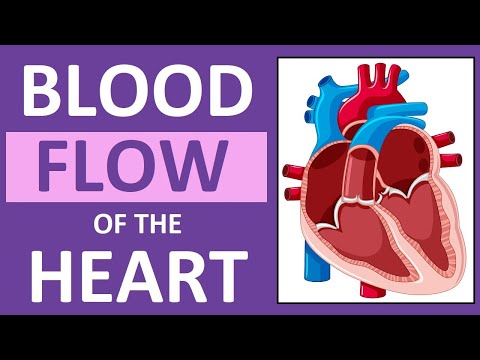
First off, the heart is like the engine of this whole operation. It’s a muscular organ that pumps blood throughout your body. When you think about it, this little muscle beats millions of times in your lifetime! The heart has four chambers: two atria on top and two ventricles below. Blood flows in one direction thanks to valves that open and close like tiny doors.
Now, here’s where it gets interesting. Blood travels through two main circuits:
- Systemic circulation: This is when oxygen-rich blood leaves the left side of your heart and travels to all parts of your body.
- Pulmonary circulation: Here’s the twist! Blood goes from the right side of your heart to your lungs to get oxygenated before returning back.
You follow me? So basically, your heart is constantly receiving deoxygenated blood (that stuff without oxygen) and sending out oxygenated blood (the good stuff).
But let’s not forget those blood vessels. They’re like highways for your bloodstream! There are three types:
- Arteries: These carry oxygen-rich blood away from your heart. They’re thick-walled because they handle high pressure—think water hoses!
- Veins: These bring back deoxygenated blood to the heart. They have thinner walls but larger lumens (the hollow part inside), which helps them hold more volume.
- Capillaries: Super tiny hair-like vessels where oxygen and nutrients are exchanged for waste products at the cellular level.
Now about that “physiology in health and disease” part. The cardiovascular system doesn’t just chill; it adjusts based on what you’re doing. Like when you exercise: your muscles need more oxygen, so your heart beats faster and pumps more effectively.
But sometimes things go sideways; diseases can mess with everything! For instance:
- Atherosclerosis: That’s when arteries get clogged with plaque—yikes! This can lead to serious issues like heart attacks.
- Hypertension (high blood pressure): This puts extra strain on your heart and arteries over time—definitely not cool.
And if you’re into research or learning more about this stuff, I mean there’s always tons of materials out there. A succinct PDF covering these topics could be helpful for students or researchers diving deeper into how our bodies tick when healthy or sick.
So in short: Your cardiovascular system is an intricate network that keeps us alive by pumping life-sustaining blood around our bodies. Pretty incredible when you stop and think about it! Just remember to take care of that engine—you only get one!
Understanding Cardiovascular Physiology: Key Insights into Heart Function and Circulatory System Dynamics
So, let’s chat about the heart and that whole circulatory system thing. You know, your heart is like the superstar of your body’s network. It pumps blood all around, keeping everything running smoothly. Talk about a tough job!
The Heart Structure is super cool. Basically, it has four main chambers: two atria on top and two ventricles at the bottom. Think of it like a house with two floors—upstairs are your living rooms (the atria), and downstairs are the power rooms (the ventricles). The right side of the heart takes in deoxygenated blood from the body and sends it to the lungs to pick up oxygen. Then, the left side gets this oxygen-rich blood and sends it off to nourish every cell in your body.
When we talk about blood flow, it’s all about keeping things moving. Blood flows from areas of high pressure to low pressure, kind of like how water flows downhill. This happens through a series of valves that open and close at just the right moments. If they fail? Well, imagine trying to run with a stuck shoelace—no fun! That’s what happens when valves don’t work right.
- Blood Vessels: There are three main types: arteries, veins, and capillaries. Arteries carry blood away from the heart; veins bring it back; capillaries are tiny but mighty—they’re where all the gas and nutrient exchanges happen.
- Blood Pressure: This is basically how hard your blood pushes against your artery walls. It’s measured with two numbers: systolic (when your heart beats) over diastolic (when it relaxes). High or low blood pressure can lead to issues.
- The Heart Rate: It beats faster when you exercise or feel excited and slows down when you’re resting or sleeping. Your body knows what it needs!
You may think about cardiovascular disease, which can hit anyone at any age! Factors like cholesterol build-up can form plaque in arteries—yep, not good news! This makes it harder for blood to flow smoothly, causing everything from chest pain to more severe issues like heart attacks.
A little story here: my friend Sam was always on his bike but didn’t take his diet seriously. One day he felt dizzy while cycling uphill—turns out he had high cholesterol! A simple diet change made all the difference for him.
The body’s ability to adapt is pretty incredible too! When you’re exercising regularly, say running or lifting weights, your heart actually gets stronger over time—the chambers enlarge slightly so they can hold more blood per beat! Pretty neat how our bodies respond, right?
The Heart’s Electrical System is another essential piece of this puzzle because it controls your heartbeat. Specialized cells send electrical signals that tell the heart when to contract and pump blood out. If there’s a hiccup in this system? You might feel palpitations or even faint—you know something isn’t quite right!
Your circulatory system is not just important for physical health but also ties into our emotional well-being too! Stress can mess with your heart rate and pressure; ever felt that “butterflies” feeling before a big event? Yep—it’s all connected!
To wrap this up: understanding how cardiovascular physiology works gives us crucial insights into maintaining our health or tackling diseases if they arise. So next time you feel your heart racing after climbing stairs or getting caught up in an exciting moment, remember—it’s doing its job beautifully!
Comprehensive Guide to Cardiovascular System Anatomy and Physiology: Downloadable PDF Resource for Medical Science
The cardiovascular system is like the body’s superhighway, transporting blood, oxygen, and nutrients everywhere they’re needed. It’s complex but totally fascinating. Let’s break it down a bit.
Your Heart: The Engine
At the center of this system is the heart. This muscular organ pumps blood through your body. It has four chambers: two atria (upper) and two ventricles (lower). When your heart beats, it contracts and relaxes rhythmically, pushing blood out to the lungs and the rest of your body.
The Blood Vessels: The Highways
Now, imagine blood vessels as roads. They come in three main types:
- Arteries: These carry oxygen-rich blood away from the heart to your organs and tissues.
- Veins: These bring oxygen-poor blood back to the heart.
- Capillaries: Tiny vessels where the real magic happens—oxygen and nutrients pass from blood into cells here.
Each of these vessels helps regulate blood flow and pressure. Pretty cool, huh?
The Lungs: Where Gas Exchange Happens
Your lungs play a critical role too! They take in oxygen when you breathe in and remove carbon dioxide when you breathe out. This exchange occurs in alveoli—tiny air sacs that look like little balloons—and it’s essential for keeping your blood oxygenated.
The Whole System at Work
So how does all this work together? When you exercise or feel excited, your heart rate increases to pump more blood faster. That means more oxygen gets to where it’s needed! In contrast, when you’re resting or sleeping, your heart slows down.
But there are times when things can go wrong. Cardiovascular diseases, like hypertension (high blood pressure) or coronary artery disease, can affect how well this system works. Factors like diet, stress levels, smoking, or lack of exercise can contribute to these issues.
In summary, understanding how your cardiovascular system works can help you take better care of yourself! It’s about maintaining balance—you want everything pumping smoothly to keep feeling great. That makes it a pretty important topic in health discussions!
So, let’s chat about the cardiovascular system, right? It’s not just a bunch of tubes and a pump; it’s this amazing network that pretty much keeps us alive. Your heart is like the drummer in a band, keeping the rhythm going for everything else. Blood vessels are the roads leading to different parts of your body, with blood being the delivery truck bringing all those essential goodies—oxygen, nutrients—you name it.
I remember once I was at a friend’s barbecue when someone started talking about heart health. We all laughed at how we used to run around as kids without a care in the world, but now as adults, we gotta think about what we eat and how active we are. You know what I’m saying? It hit me then how easy it is to forget that our bodies need us to respect them.
Let’s break it down a bit! In health, your cardiovascular system is like a well-oiled machine. The heart pumps blood efficiently, and your arteries are flexible and clear. But then there are those times when things don’t work out so smoothly—like when cholesterol builds up in arteries or when high blood pressure sneaks in. That can lead to diseases like heart attacks or strokes. Seriously scary stuff!
What happens is that when you get unhealthy habits creeping into your lifestyle—like munching on too many chips during movie night or skipping out on exercise—your cardiovascular system takes a hit. It has to work harder to keep everything flowing smoothly. And guess what? Over time, that can lead to serious issues down the line.
But here’s where hope comes into play! Making small changes can have such a huge impact on your heart health! Like picking an apple instead of that candy bar or taking those stairs instead of the elevator—sounds small, but they add up! It’s kind of empowering once you realize you can do something about it.
In short, this whole cardiovascular game is all about balance. If you treat your body right most of the time—even if you indulge here and there—you’re likely gonna be better off in the long run. Just keep listening to yourself; your body will thank you for it later!