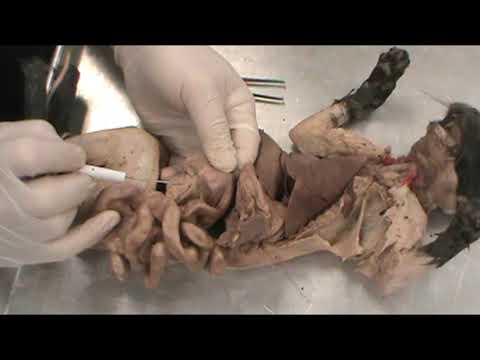
So, picture this: you’re lounging on the couch, and your cat decides it’s the perfect time to show off some acrobatic moves. One minute they’re sprawled out like a fluffy lump, and the next? Woosh! A flying leap to the top of the bookshelf! Cats are weirdly amazing like that, but have you ever thought about what’s going on inside those fluffballs?
I mean, seriously, those little machines of fur and attitude have some pretty nifty organs working hard behind the scenes. Ever wondered what makes them tick? Well, let’s zero in on their right side for a moment. There’s a lot happening there that goes beyond just being cute!
Whether you’re just curious or a full-blown science enthusiast, exploring cat organs can be surprisingly fascinating and maybe even a little hilarious. So grab your favorite snack (maybe not tuna though), and let’s take a fun stroll through kitty anatomy. You ready?
Understanding Feline Health: Exploring the Causes of Swelling on Your Cat’s Right Side
Hey there! If you’ve noticed some swelling on your cat’s right side, it can be pretty alarming. Seriously, no one likes to see their furry friend not feeling their best. So, let’s break down what might be going on, because knowledge is power, right?
First things first, let’s talk about what’s under that fluffy coat. The anatomy of a cat is quite fascinating! On the right side of your kitty, there are several key organs like the liver, kidney, and part of the intestines. These organs all play vital roles in keeping your cat healthy and happy.
- Liver issues: An enlarged liver can cause noticeable swelling. Conditions like liver disease or fatty liver syndrome might be to blame. If your cat is losing weight or acting lethargic, that could be a sign!
- Kidney concerns: The right kidney can swell due to infections or stones. If you notice changes in your cat’s drinking habits or urination, it’s worth checking out.
- Intestinal problems: Inflammation or blockages in the intestines can lead to noticeable swelling too. It can happen if they eat something they shouldn’t—like those pesky hairballs!
Now, you might be wondering how to tell if this swelling is serious. Well, pay attention to other symptoms—like vomiting, diarrhea, or a lack of appetite. Just like us humans when we’re not feeling well! One time, my friend’s cat started hiding more than usual and wasn’t eating. Turned out he had an abscess from a fight with another neighborhood cat! Crazy how small issues can turn into big ones.
This brings us back to the importance of regular vet check-ups. A quick visit can help catch any underlying issues early on before they become emergencies. Your vet will likely do some blood work and maybe even an ultrasound to take a closer look at what’s happening internally.
If you’ve noticed any changes in behavior alongside the swelling—like being more irritable or less active—it’s time for action! Cats are experts at hiding discomfort until it gets really serious.
The bottom line? Swelling on your cat’s right side could mean anything from minor digestive upset to more significant organ problems. Knowing their anatomy helps you understand what might be going wrong.
If something just doesn’t seem right with your feline friend, never hesitate to contact your veterinarian for advice and peace of mind!
Exploring Feline Anatomy: Are Cats’ Hearts Positioned on the Right Side?
So, you’re curious about where a cat’s heart is situated? Let’s get into it! Cats, like us, have their hearts located in the chest cavity. But unlike humans, their hearts are typically positioned slightly more to the left side of their bodies. Just picture a cat lounging around—its heart’s just hanging out to the left!
Why does this matter? Well, understanding feline anatomy helps us comprehend more about how these furry creatures function. Knowing where organs are located can be crucial for health assessments and veterinary care.
Now, let’s break it down:
- Heart Location: The heart of a cat is tilted to the left side. It sits between the lungs and is protected by the rib cage.
- Size and Shape: A cat’s heart is pretty small compared to its body size—around the size of a walnut! This isn’t much when you think about how much energy they pack into those little bodies.
- Functionality: The heart pumps blood throughout the body, providing essential oxygen and nutrients. A well-functioning heart means an active kitty!
- Anatomical Differences: Cats have some unique structures compared to other animals. For instance, their hearts can beat faster than ours—sometimes up to 240 beats per minute! That’s like having a sprinting marathon inside their chests.
You might be wondering: If cats’ hearts are mainly on the left side, what about other organs? Good question! Other major organs also have specific placements that play key roles in overall health.
- Liver: The liver is on the right side of a cat’s body; this organ helps with digestion and detoxifying substances.
- Spleen: Also generally found on the left side; it helps fight infections and filter blood.
The relationships between these organs illustrate why positioning matters so much in anatomy! When veterinarians assess cats for any issues, they consider these anatomical specifics. A misplaced organ could signal a problem that needs attention.
A little story here: I remember visiting my friend’s house years back when her cat suddenly seemed lethargic. After a quick visit to the vet, it turned out that little Whiskers had an enlarged heart—a condition known as hypertrophic cardiomyopathy. It affects many cats but knowing how to examine them properly really made all the difference in getting Whiskers back on her paws quickly!
The takeaway? Cats definitely have their own unique anatomical quirks—including where their hearts hang out—which can affect their overall health significantly. Being aware of these details not only helps you understand your feline friend better but also prepares you for situations when something might go off track!
No doubt about it—cats are fascinating creatures with incredible inner workings that deserve our attention and care!
Exploring the Anatomy of Female Cats: A Comprehensive Scientific Overview
Alright, let’s talk about the anatomy of female cats, especially focusing on their organs on the right side. Cats are really fascinating creatures, and when you take a closer look at their insides, it’s like uncovering a whole hidden world!
First off, one of the most critical parts you’ll find on a female cat’s right side is the **ovary**. These little guys produce eggs and hormones like estrogen and progesterone. They’re not exactly the size of a tennis ball; rather, think more along the lines of tiny grapes. The hormones from the ovaries help regulate their reproductive cycle. If you’ve ever noticed your cat acting differently during certain times of the year or getting super affectionate, that’s probably her hormones at play!
Moving down from there, we hit the **fallopian tube**, which connects each ovary to the uterus. This tube is where fertilization happens if a sperm gets lucky enough to meet an egg. It’s kind of like a tiny highway for those little guys.
Now let’s chat about the **uterus** itself — pretty essential to understand! In female cats, it has two horns (like a wishbone), which is different from humans who have just one main body. Each horn can expand if she gets pregnant since she can carry multiple kittens at once! Isn’t that something? It plays a huge role in nurturing those tiny furballs before they make their big entrance into the world.
Oh, and we can’t forget about the **bladder**! This could be seen on either side but sits cleverly in a way that makes it easier for your little kitty to do her business when nature calls. A cat’s bladder can hold up quite well—about half an ounce per pound of body weight!
Next up is her **liver**, which is located primarily on the right side and works super hard filtering toxins out of her blood and aiding digestion. You know how we sometimes eat too much junk food? Well, imagine how much work our liver has to do! Cat livers manage all that too but with fewer bad snacks involved.
Lastly, there’s also part of the **small intestine** hanging out over there. Specifically, it’s called the jejunum—the portion that digests nutrients after food leaves her stomach. It’s long and winding (kind of twists around) because it needs all that space to break down proteins and carbs efficiently.
So when you think about your cat lounging around or pouncing on imaginary prey in your living room, remember: inside her is this intricate system doing its thing all day long! And honestly? Just thinking about how these organs work together gives me immense appreciation for these furry companions. Seriously amazing stuff happening in there!
In short:
- Ovary: Produces eggs and hormones.
- Fallopian Tube: Connects ovaries to uterus; site for fertilization.
- Uterus: Has two horns; nurtures developing kittens.
- Bladder: Stores urine efficiently.
- Liver: Filters toxins; helps digestion.
- Small Intestine (Jejunum): Breaks down nutrients from food.
So there you go! The anatomy of female cats really shows how nature does its magic to keep these feisty little hunters alive and thriving!
You know, if you’ve ever had a cat lounging around your house, you might’ve found yourself wondering about all the weird and wonderful things happening inside those furry little bodies. I mean, they’re not just cute and cuddly—there’s some serious science going on!
So let’s focus on the right side of their anatomy for a second; it’s pretty interesting stuff. First off, you’ve got the liver right up there, doing its thing like a superstar. It’s responsible for tons of functions, like detoxifying harmful substances and storing nutrients. It also makes bile, which helps with digesting fats. That’s essential since cats are obligate carnivores—basically means they need that meat in their diet.
Then we move down to the stomach. The kitty tummy plays a major role in breaking down all that tasty chow you feed them. Seriously, could you imagine having to eat like your cat? Chowing down on raw meat every day sounds pretty hardcore! But hey, it works for them; they’ve evolved this way.
And here’s an emotional moment: I once had this little stray cat come into my life. I named her Whiskers because, well, she had the longest whiskers ever! Anyway, she was super skittish at first but eventually warmed up and became my best buddy. When I took her to the vet for her checkup, I learned about her organs—like how important that right-side liver was for keeping her healthy while she rampaged around my apartment.
We also can’t forget about the small intestine—it actually runs along that side too! This part absorbs nutrients from food after it passes through the stomach. Think of it as the kitty’s personal nutrient extractor; without it doing its job well, Whiskers wouldn’t have had all that energy to chase after her toys or curl up on my lap for those long naps.
And if we peek a bit more to the back region on the right side, this is where we find part of our friend’s large intestine too—a vital part of their digestive system as well. It soaks up leftover water and helps form solid waste—yep, those litter box surprises!
So next time you’re cuddling with your cat or watching them zoom across the room for no apparent reason (like mine always does), think about everything that’s happening beneath that fluffy exterior! It really puts things into perspective—you know? Our furry friends are not just companions; they’re fascinating little creatures powered by an amazing set of organs working together every day.