So, imagine you’re lost in a maze, right? You’re trying to find the quickest way out. But here’s the kicker—every time you hit a fork, you’ve got two choices. Go left or go right. That’s pretty much what we call a zero-one graph! Now, these graphs might sound kinda nerdy. But honestly, they pop up everywhere—in social networks, routing problems, and even algorithms that help us find paths in video games. Pretty cool, huh? We’ve got this awesome algorithm called BFS (Breadth-First Search) that dives into these graphs like a pro explorer on a treasure hunt. It’s all about finding the shortest paths like your compass when you’re wandering in the woods. Stick around if you want to unwrap the magic behind BFS algorithms and … BFS Algorithms in Zero-One Graphs: A Scientific PerspectiveRead more
Computing
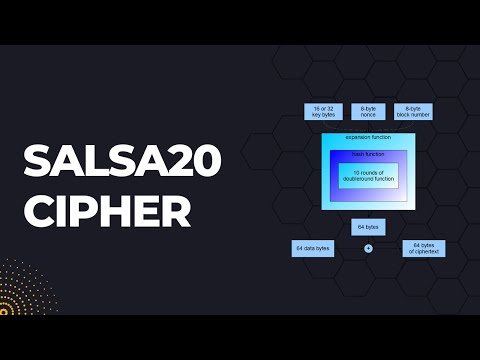
Salsa20: A Breakthrough in Cryptographic Security Techniques
So, here’s a fun fact: did you know that some of the most secure messaging apps use a special kind of code to keep your secrets safe? It’s like having your own superhero protecting your conversations. This superhero has a name—Salsa20. Sounds like a dance, right? Well, it kinda is, but instead of twirling on the dance floor, it’s all about spinning data into safety! Imagine sending a message that only your friend can read while everyone else thinks it’s just gibberish. Pretty cool, huh? Salsa20 is one of those nifty tricks in the cryptographic toolbox that helps make that happen. But what makes this thing tick? Why is it a big deal in the world of security? Let’s break it down and see how … Salsa20: A Breakthrough in Cryptographic Security TechniquesRead more
ROT13 Encryption and Its Role in Scientific Communication
So, picture this: you’re hanging out with your friends, and one of them pulls out a secret message written in some weird code. You’re all trying to crack it like it’s a treasure map or something. Pretty fun, right? Well, that’s kind of what ROT13 does! ROT13 is like the goofy cousin of encryption. It’s simple, playful, and not overly serious. Seriously, it’s just about shifting letters around a bit. But don’t let its silliness fool you; it has snuck its way into places you wouldn’t expect—like scientific communication! You see, scientists love to share ideas but also want to keep some things under wraps until they’re ready for the big reveal. ROT13 helps them add a little mystery without all the fuss of high-tech … ROT13 Encryption and Its Role in Scientific CommunicationRead more
The Science Behind Secret Key Encryption Techniques
Alright, so picture this: You’re sitting in a café, sipping your latte, and you overhear two hackers plotting to steal your secret cookie recipe. Crazy, right? But here’s the kicker—there’s a whole science behind keeping that recipe safe. Secret key encryption techniques are like those magical locks that keep nosy people from snooping around your stuff. You know, the ones where you have to figure out the right combo to get in? But it’s not just for cookies; this fancy tech is everywhere! It protects everything from your texts to your bank info. So, let’s chat about how this stuff works without getting too nerdy—it’ll be fun! Exploring the Science of Cryptography: Understanding the Principles of Encrypting and Decrypting Secret Messages Have you ever sent … The Science Behind Secret Key Encryption TechniquesRead more
Efficient FFT Implementations in C++ for Scientific Applications
You know that feeling when you’re at a party, and someone starts talking about the Fast Fourier Transform? Yeah, me neither! But seriously, FFTs can be pretty cool once you get the hang of it. They’re like secret sauce for turning complex signals into something you can actually work with. Imagine you’re trying to pick out your favorite song from a playlist full of noise. FFTs help you do just that by breaking down sound waves into their individual frequencies—pretty neat, right? Now, if you’ve ever dabbled in C++, you know it can feel like a puzzle sometimes. But don’t sweat it! This stuff doesn’t have to be rocket science. We’re going to explore some efficient FFT implementations that’ll make your scientific projects pop! So … Efficient FFT Implementations in C++ for Scientific ApplicationsRead more
Real-World Examples of Encryption Keys in Science Applications
So, picture this: you’re on your phone, scrolling through memes, and suddenly you get a notification about a data breach. Your heart kinda sinks, right? Like, who wants their personal info floating around out there? Well, that’s where encryption keys come in. They’re like digital locks keeping your secrets safe from prying eyes. Sounds fancy, huh? But trust me, they’re used in ways you’d never guess! From scientists cracking the mysteries of DNA to researchers protecting sensitive data during experiments—encryption keys are everywhere. Seriously! Let’s take a closer look at how these tiny bits of code are making waves in the world of science and why they’re super important for all of us. You with me? Real-World Applications of Encryption in Science: Protecting Data Integrity … Real-World Examples of Encryption Keys in Science ApplicationsRead more
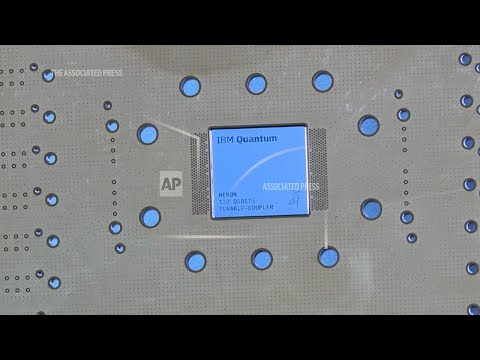
Advancements in Quantum Computing with IBM Quantum System 2
Did you know there’s a computer that can solve problems faster than you can say “quantum”? Yeah, seriously! Imagine bringing your groceries home and your fridge just magically organizes them for you. That’s kinda what quantum computing is like. So, picture this: IBM has stepped up its game with the Quantum System 2. It’s not just any old computer; it’s a powerhouse that pushes boundaries. People are saying it could change everything we know about processing information. Like, whoa, right? But here’s the kicker: most of us don’t even know what quantum computing really is! No worries; I’m here to break it down for you. Let’s unpack this wild ride into the future of technology together! The Significance of IBM’s Quantum System Two: Transforming the … Advancements in Quantum Computing with IBM Quantum System 2Read more
Alphabet’s Pioneering Role in Quantum Computing Research
So, picture this: You’re at a party, and someone casually mentions quantum computing. Suddenly, everyone’s ears perk up. It’s like they just dropped a mystery bomb in the room, right? Quantum computing is this wild mix of science that sounds straight outta sci-fi. But here’s the kicker: Alphabet, you know, Google’s big brain parent company, is at the forefront of this whole thing. They’re not just sitting behind a desk crunching numbers; they’re really pushing boundaries. It’s kinda mind-blowing when you think about all the possibilities. Imagine computers that can solve problems we haven’t even dreamed of yet! That’s what Alphabet is aiming for. So let’s take a little stroll through their journey in this crazy world of quantum research. It’s gonna be a ride! … Alphabet’s Pioneering Role in Quantum Computing ResearchRead more
Harnessing Quantum Computing with TensorFlow Quantum
You know that feeling when you try to explain something super complex, like quantum computing, and you can see your friend’s eyes glazing over? Yeah, been there! It’s wild stuff, really. I mean, we’re talking about particles that can be in two places at once. So imagine trying to harness that kind of mind-bending power with TensorFlow Quantum. It’s like mixing peanut butter with chocolate—two amazing things coming together for something even more awesome! Here’s the deal: TensorFlow Quantum helps developers tap into quantum computing without needing a PhD in physics. Seriously, it opens up a whole new world of possibilities! So grab your favorite snack, and let’s unpack what this all means for us regular folks. Unlocking the Future of Quantum Computing: Leveraging TensorFlow … Harnessing Quantum Computing with TensorFlow QuantumRead more
Advancing Scientific Computing with PyTorch Functional Tools
You know what? The other day, I was trying to remember how I ever managed to code without any of these fancy tools we have now. It’s a bit like trying to build a treehouse with just a spoon. So, let me tell you about PyTorch. It’s kind of a big deal in the world of scientific computing. Seriously! This thing makes life so much easier for coders and researchers alike. Imagine being able to whip up some incredible machine learning models without pulling your hair out. That’s where the functional tools come in. They’re like the Swiss Army knife of PyTorch—super handy and just full of surprises! We’re gonna dive into how these tools work and why they make advancing your projects way more … Advancing Scientific Computing with PyTorch Functional ToolsRead more
D-Wave Leap and the Next Generation of Quantum Computing
You ever watch those sci-fi movies where computers are, like, super smart? I mean, they can solve problems in seconds that would take us mere mortals forever. Well, welcome to the world of quantum computing! It’s a wild ride that’s actually happening right now. So, picture this: scientists are using tiny particles doing their own funky dance to compute info faster than you can say “what’s for dinner?” That’s pretty much what D-Wave is up to—pushing the limits of what we thought was possible. D-Wave Leap is their latest move in this quantum chess game. It’s like leveling up in a video game but for computers. Seriously, it’s all about making quantum tech more accessible and powerful. And trust me, it sounds cooler than it … D-Wave Leap and the Next Generation of Quantum ComputingRead more
Innovations in Atom Quantum Computing for Scientific Progress
So, picture this: you’re sitting in a coffee shop, and the barista accidentally spills your drink all over your laptop. Total bummer, right? But here’s the kicker: if your laptop were powered by quantum computing, it might just laugh off that spill. Seriously! Quantum computers are like the brave little warriors of tech—they handle things that would completely fry our regular devices. Now, what’s really wild is that we’re diving into this world of atom quantum computing. It’s not just some sci-fi fantasy anymore; it’s making waves in scientific progress. Like, think about how these tiny particles can solve problems way faster than any human brain ever could! Imagine a world where complex calculations happen in the blink of an eye—yeah, we’re talking about breakthroughs … Innovations in Atom Quantum Computing for Scientific ProgressRead more
Quantum Computing Innovations at IonQ and Amazon Collaboration
Alright, so picture this: you’re trying to find your phone in a messy room. You start flipping through things like a madman, right? Now, imagine if instead of searching like that, you could just *know* where it is instantly. That’s kind of the vibe with quantum computing — it’s all about making super fast calculations. Now, here’s the scoop. Companies like IonQ and Amazon are teaming up to push this cool tech further. They’re diving deep into quantum innovations and mixing brains to see just how far they can take things. Pretty wild stuff, huh? These collaborations are the future of technology! So let’s unpack what that means for us regular folks—and maybe even get a peek at what powerful quantum computers could do. Exploring … Quantum Computing Innovations at IonQ and Amazon CollaborationRead more
Quantum Computing Theory and Its Scientific Promise
So, imagine this: you’re at a party, and someone starts talking about quantum computing. You’re nodding, trying to keep up, but inside you’re thinking, “What the heck are they even talking about?” We’ve all been there, right? Quantum computing sounds like something straight out of a sci-fi movie. I mean, seriously! It’s like taking the weirdest parts of physics and mixing them with computers. But here’s the kicker—it actually has the potential to change our world in ways we can’t even fully grasp yet. Picture a future where problems we couldn’t solve in a lifetime are cracked open like walnuts. Yeah, it’s that exciting! So, let’s break down this brain-bending concept together without getting lost in the jargon. Sound good? Exploring Quantum Computing Theory: Insights … Quantum Computing Theory and Its Scientific PromiseRead more
Quantum Oracles and Their Role in Modern Computing
Alright, so imagine you’re at a party. Everyone’s chatting, and someone brings out a magic eight ball. You ask it a question about your future, and boom— the ball says “Outlook not so good.” Bummer, right? Now picture that same vibe but with computers. Instead of a plush toy giving you life advice, we’ve got quantum oracles doing some seriously mind-bending computations. Sounds pretty wild, huh? These quantum oracles aren’t just tricking you into thinking they know everything. They’re potentially changing how we solve problems today—like breaking codes or optimizing routes for delivery trucks! So, let’s dive into this mysterious world where physics meets the digital realm. Trust me; it’s going to get interesting! Exploring Quantum Oracles: Their Impact on Modern Computing in Scientific Research … Quantum Oracles and Their Role in Modern ComputingRead more
Tiny Quantum Computer Achieves Milestone in Computing Power
So, picture this: you know those tiny gadgets people use to solve puzzles on the go? Now imagine a computer that’s, like, a million times smaller and can solve problems your regular laptop would take ages on. Crazy, huh? Well, scientists recently made some big moves in the quantum computing world. A tiny quantum computer just hit a milestone that has everyone buzzing! It’s not just about being small; it’s about what it can do. Seriously, these little machines might change how we think about computing entirely. So grab your favorite drink and let’s chat about what this means for the future! Examining the Authenticity of Zuchongzhi 3.0: Insights from the Scientific Community Zuchongzhi 3.0, a tiny quantum computer, has been buzzing in the scientific … Tiny Quantum Computer Achieves Milestone in Computing PowerRead more
Quantum Computers: The Next Frontier in Computing Science
So, picture this: you’re in a coffee shop, sipping your favorite latte. And the barista casually mentions that their new espresso machine runs on quantum computing. You stop mid-sip. Wait, what? Quantum coffee? Yeah, I totally get it. It sounds like something out of a sci-fi flick. But seriously, quantum computers are not just for the nerdy physicist types anymore. They’re making waves across industries and even in our daily lives. Imagine a computer that can solve problems way faster than anything we have right now—like, faster than you can decide what to binge-watch next on Netflix! Sounds cool, right? But before you start thinking they’ll be running your life any time soon, let’s break this down together. How did we even get here? And … Quantum Computers: The Next Frontier in Computing ScienceRead more
NISQ Quantum Computing and Its Role in Scientific Innovation
So, picture this: you’re at a party, right? Someone starts talking about quantum computers, and everyone suddenly looks like they just took a sip of lemon juice. I mean, it sounds complicated! But here’s the thing: quantum computing isn’t just for nerds in lab coats. NISQ, which stands for Noisy Intermediate-Scale Quantum, is all the rage these days. It sounds fancy but trust me, it’s pretty cool! Think of it as that breakthrough friend who shows up to make everything more interesting. These machines are stepping up in science and innovation in ways we can barely wrap our heads around. Who knew mysterious quantum mechanics could actually help solve real-world problems? So let’s break it down together! You might just find yourself geeking out over … NISQ Quantum Computing and Its Role in Scientific InnovationRead more
Nielsen and Chuang’s Influence on Quantum Computation Science
You know that feeling when you’re stuck on a puzzle, and then suddenly, the pieces just click? Well, that’s kind of what quantum computation feels like! It’s like trying to understand a super tricky magic trick where the rules are just… different. So, here’s the deal. Two geniuses named Nielsen and Chuang came along and basically said, “Hey, let’s figure this out.” They helped make sense of all those qubits dancing around in their weird quantum world. Imagine being in college, late at night, books spread everywhere, coffee cups piled high. You’re trying to grasp this mind-bending stuff. That was pretty much the vibe when these two were shaping the future of quantum computing. It’s wild how their insights opened up a whole new realm … Nielsen and Chuang’s Influence on Quantum Computation ScienceRead more
Advancing Quantum Computing at Microsoft Station Q
So, imagine you’re at a party, right? People are chatting, music’s blasting, and suddenly someone whispers about quantum computing like it’s some secret club. You’re intrigued but kinda confused. I mean, what even is quantum computing? Well, it turns out this tech is way cooler than a sci-fi movie! Picture this: a computer that can solve problems faster than you can say “supercalifragilisticexpialidocious.” Sounds pretty wild, huh? Now enter Microsoft Station Q—this brilliant spot where some of the best minds are working on making quantum computing a reality. They’re like modern-day wizards, trying to unlock the mysteries of the universe with… well, math and physics! So buckle up, because we’re about to explore what’s happening at Station Q and why it might just flip our … Advancing Quantum Computing at Microsoft Station QRead more
Advancing Quantum Computing with IBM Q System Technology
Imagine if your computer could solve problems faster than you can say “quantum mechanics.” Sounds like something out of a sci-fi movie, right? Well, it’s not. So, here’s the deal: quantum computing is like the superhero of the tech world. Just when you thought regular computers were cool, bam! Enter IBM Q System Technology. You might be wondering what makes it so special. Let me tell you—it’s all about qubits! Yeah, I know that sounds fancy, but basically, these little guys can hold way more information than the bits we use in traditional computers. Whether you’re a tech whiz or just someone who loves cool gadgets, understanding how this all works can be super exciting. Honestly, it’s like peeking behind the curtain of a magic … Advancing Quantum Computing with IBM Q System TechnologyRead more
Measurement Based Quantum Computation: A Scientific Journey
Alright, picture this: you’re at a party, right? Everyone’s chatting about the latest tech, and someone casually drops the term “quantum computation.” Silence. Then someone asks, “Wait, what even is that?” Well, let me tell you—it’s kind of like combining magic with super advanced math. Seriously! You know those sci-fi movies where computers seem almost alive? Quantum computers are on their way to making some of that real. So, like, here’s the thing: they work in a totally different way than your regular laptop. Instead of just bits—like 0s and 1s—they use qubits. And that opens up an entire universe of possibilities. It’s confusing but also kinda thrilling! And measurement-based quantum computation takes it to an even cooler level. It’s like playing chess in a … Measurement Based Quantum Computation: A Scientific JourneyRead more
Quantum Computers Revolutionizing Modern Science and Technology
Okay, so picture this: you’re at a party, and someone’s talking about how computers can solve problems faster than you can say “quantum.” You’re like, “Wait, what?” Yeah, right? It’s wild! We’ve gone from computers that fill entire rooms to tiny devices in our pockets. But here’s the kicker: quantum computers are stepping onto the scene, and they’re not just impressive—they’re game changers. Imagine a computer that can do stuff that would take our current tech ages to figure out. It’s almost like magic! And it’s not just about speed; it’s about solving problems we couldn’t even touch before. So grab a drink and let’s chat about how these quirky little machines are taking science and technology on a wild ride. Trust me, you don’t … Quantum Computers Revolutionizing Modern Science and TechnologyRead more
Quantum Computing Basics for Curious Minds
So, the other day I was trying to explain quantum computing to my grandma. She thought I was talking about a new flavor of ice cream! But seriously, quantum computing is like the wild side of technology. Imagine your regular computer but on a serious caffeine rush—like it’s bouncing off the walls! It’s all about bits, but these aren’t your everyday bits. We’re talking qubits, which can be both 0 and 1 at the same time. Mind-blowing, right? You might be wondering why you should even care about all this quantum craziness. Well, it could change everything from how we solve complex problems to how we secure our data online. Stick with me here. We’ll break this down together in a way that makes sense—like … Quantum Computing Basics for Curious MindsRead more
Innovative Computer Vision Applications Using Raspberry Pi
You know how every time you try to take a picture, your phone seems to know exactly where the action is? It’s kinda like magic, right? But it’s really just computer vision doing its thing. Now, imagine if you could dabble in that magic yourself. Seriously! With a little help from a Raspberry Pi, you can create some super cool computer vision projects right in your living room. Like, one time I tried to make my own mini robot that could recognize faces. It was hilarious. The first time it thought my cat was my sister! Anyway, these tiny little computers have a ton of potential. From recognizing objects to tracking movements and even making smart decisions. So grab your favorite snack and let’s dive … Innovative Computer Vision Applications Using Raspberry PiRead more
Harnessing D-Wave Quantum Annealing for Complex Problems
So, picture this: you’re trying to solve a puzzle. You know, like the ones where jigsaw pieces are scattered everywhere. Frustrating, right? Now imagine if there was a super-brainy buddy who could just swoosh in and fit all those pieces together in no time. Sounds pretty cool, huh? That’s kind of what D-Wave quantum annealing does! You might be thinking, “What even is that?” Well, we’re about to dig into it! It’s all about tackling complex problems that feel impossible sometimes. Like when you can’t decide what to make for dinner because there are just too many choices. D-Wave isn’t your regular computing hero. It operates on the quantum level — which is like a whole different universe of possibilities! So buckle up; we’re going … Harnessing D-Wave Quantum Annealing for Complex ProblemsRead more
Advancements in Quantum Computing by DARPA and Its Implications
So, you know how sometimes you see sci-fi movies where they talk about computers that can think faster than a human? Well, quantum computing is kinda like that, but for real. It’s wild! Imagine a computer that can solve problems in seconds that would take regular computers years. Sounds like magic, right? But it’s all science – super fancy science, actually. Now, DARPA is in the mix, pushing the boundaries and doing some seriously cool stuff. I mean, they’re the ones behind all those top-secret projects. It’s like they have their own secret lab, complete with mad scientists and everything! But what does this mean for us? More importantly, how could this change our lives? Let’s geek out together over what quantum computing is and … Advancements in Quantum Computing by DARPA and Its ImplicationsRead more
Dynamic Programming and the Longest Common Subsequence Method
So, imagine you’re sitting there, trying to find a common thread in your favorite songs. Like, “Hey, did you notice how many of them mention love?!” It’s a puzzle! And puzzles are everywhere in life—especially when it comes to programming. Now, dynamic programming might sound like something only computer geniuses get hyped about. But hold on! It’s actually kinda cool and easier than you’d think. Think of it as a way to solve problems step by step—breaking them down into smaller pieces until they make sense. Take the Longest Common Subsequence method, for example. It’s all about figuring out what two things have in common without scrambling everything together. Like finding a shared playlist between you and your best buddy. Pretty neat, right? So grab … Dynamic Programming and the Longest Common Subsequence MethodRead more
Kruskal Algorithm in Action: A Practical Example
So, imagine you’re at a party, right? And you want to make friends with everyone. But there’s a catch—you can’t just stroll up to people randomly. You gotta find the shortest way to chat with all of them without going back and forth like a confused chicken. That’s kind of what Kruskal’s Algorithm does! It’s like the ultimate social planner for connecting dots… or in this case, people. Seriously, it’s all about finding the best way to connect points without wasting time. You might think algorithms are super nerdy, but when you break it down, they’re just clever little tricks for solving problems. And who doesn’t love solving problems? Stick around as we walk through a practical example. You’ll totally get hooked on it! Exploring … Kruskal Algorithm in Action: A Practical ExampleRead more
Top Computer Degrees for Science and Outreach Careers
You know that feeling when your computer decides to update right in the middle of your favorite show? Ugh, the worst! But here’s something cool: those pesky updates are just a tiny peek into how computers shape our lives. Now, imagine blending that tech magic with science and outreach. It sounds like a perfect combo, right? That’s because it is! Think about it—using computer skills to spread knowledge about science is like being a superhero for education. You’ll get to explore some pretty rad degrees that open doors to all sorts of careers where you can inspire others and help bridge the gap between science and everyday life. So, if you’re curious about which computer degrees can make that happen, you’ve come to the right … Top Computer Degrees for Science and Outreach CareersRead more
Key Exchange Algorithms in Modern Cryptography Science
So, picture this: you’re at a party, and you overhear two people talking about secret codes. Not just any codes, but the kind that keeps your online banking safe! It’s like a spy movie, right? But guess what? This isn’t Hollywood magic; it’s cryptography. Now, you might be thinking, “What on earth is cryptography?” Well, think of it as the superhero of the digital world. It’s all about keeping our secrets safe from prying eyes. One of the coolest parts? Key exchange algorithms. These little gems are like the handshake between two best friends when they want to share a juicy secret without anyone else listening in. Intrigued yet? Let’s unlock this mystery together! Exploring Key Exchange Algorithms: Essential Techniques in Modern Cryptography When you … Key Exchange Algorithms in Modern Cryptography ScienceRead more
Top Computer Science Courses for Scientific Advancement
So, picture this: you’re at a party, and someone casually mentions they just built an app that predicts the weather with crazy accuracy. Everyone’s like, “Whoa, how?” And it hits you—computer science is basically magic nowadays. Honestly, it blew my mind when I first realized how much computer science shapes our world. It’s not just about coding in dark rooms or geeky algorithms. It’s about making real changes in areas like health, environment, and even space exploration! Seriously! But here’s the kicker: if you wanna join that magic show, you gotta know where to start. There are loads of awesome courses out there aimed at helping folks like us harness this superpower for scientific advancement. So, let’s dig into some of the best ones out … Top Computer Science Courses for Scientific AdvancementRead more
Hamiltonian Cycle Algorithm: A Path to Efficient Solutions
You know what’s wild? Imagine being at a party with a bunch of friends, and you want to visit every room without doubling back. Sounds like a fun night, right? Well, that’s kind of what the Hamiltonian Cycle is all about. It’s this really cool concept in math and computer science that helps us figure out how to get from point A to point B while making sure we hit every stop along the way. Like planning the ultimate road trip—without any backtracking. But here’s the kicker: finding that perfect path can be tricky! Some say it feels like trying to solve a Rubik’s Cube blindfolded. But don’t worry! We’re going to break it down together and see how the Hamiltonian Cycle Algorithm makes this … Hamiltonian Cycle Algorithm: A Path to Efficient SolutionsRead more
Implementing the Extended Euclidean Algorithm in Python
Alright, picture this: you’re trying to barter some cookies with your friend. You’ve got chocolate chip, they’ve got oatmeal raisin. You want a fair trade but can’t figure out how many of each to swap. Totally relatable, right? Well, that’s kind of like what the Extended Euclidean Algorithm does! It helps us find numbers that are related in a totally cool way, like how to evenly split those sweet treats. How neat is that? Now, if you’re into coding and you wanna get your hands dirty in Python, implementing this algorithm can feel like a fun puzzle! Seriously, it’s all about finding relationships between numbers — and who doesn’t love a good number game? So grab your laptop and let’s see how we can make … Implementing the Extended Euclidean Algorithm in PythonRead more
Advancing Computer Science through Community Engagement
You know that moment when your computer freezes and you just stare at the screen, hoping it magically fixes itself? Classic, right? Well, while we all have those tech struggles, there’s a whole world of smart folks out there working to make sense of it all. Picture this: kids coding in community centers, local workshops buzzing with ideas, and hackerspaces turning into creativity hubs. Seriously! It’s not just about getting a degree or working in some fancy office. Community engagement in computer science is where the magic really happens. So, what if I told you that diving into tech isn’t just for the experts in lab coats? Communities are driving innovation every day. It’s like a potluck dinner: everyone brings something to the table, and … Advancing Computer Science through Community EngagementRead more
Diverse Paths in Computer Science Degree Programs
So, picture this: you’re sitting in front of a huge screen, eyes glazed over, trying to make sense of a bunch of code. You’re probably thinking, “What on Earth did I sign up for?” Trust me, you’re not alone! Computer science is wild. Seriously. It’s more than just programming; it’s like weaving magic with numbers and algorithms. There are a ton of paths you can take. You could be the next wizard creating apps or the mastermind behind cyber security—keeping all that data safe and sound. Or maybe you want to dive into artificial intelligence and teach machines to think! How cool is that? The thing is, there’s no one-size-fits-all route here. Every degree program has its quirks and specialties. You might find yourself exploring … Diverse Paths in Computer Science Degree ProgramsRead more
Harnessing Google Qubit for Quantum Computing Advancements
So, picture this: you’re at a party, right? Everyone’s chatting about their favorite pizza toppings or the latest show on Netflix. Then someone casually drops “quantum computing” into the convo. Everyone suddenly looks like they’re trying to solve a Rubik’s Cube blindfolded. Classic! But here’s the thing: quantum computing isn’t just some nerdy topic for science geeks. It’s changing how we think about technology and problem-solving. And that’s where Google Qubit struts in like it owns the place. I mean, seriously, this stuff is like magic! Instead of bits being just 0s or 1s, you’ve got qubits that are all sorts of funky states in between. It’s wild, right? So, let’s unpack this quantum wonderland and see how Google is shaking things up in the … Harnessing Google Qubit for Quantum Computing AdvancementsRead more
Quantum Proof Cryptography: Securing Tomorrow’s Data
Okay, so picture this: you’re at a coffee shop, sipping your favorite brew. Your friend leans over and whispers, “Hey, do you think the government can see my bank details right now?” Seriously, that’s a common worry these days! Now, let’s be real. Our digital lives are like open books. All those texts, photos, and bank transactions? They’re floating around in cyberspace. And you never know who’s peeking. Enter quantum proof cryptography. Sounds fancy, right? But it’s basically the superhero we didn’t know we needed for protecting our data from prying eyes. Imagine a world where your secrets are safe from even the most powerful hackers! Yeah, it sounds like something out of a sci-fi movie—but it’s closer than you think. So let’s jump into … Quantum Proof Cryptography: Securing Tomorrow’s DataRead more
Advancing Quantum Computing Through Fault Tolerance Techniques
Alright, so picture this: you’re playing a video game, right? Everything’s going smoothly until suddenly – kaboom! Your character glitches and you lose all your progress. Frustrating, right? Well, that’s kind of what can happen in quantum computing. You see, qubits, the building blocks of quantum computers, are super sensitive. One little hiccup and the whole thing goes haywire! That’s where fault tolerance comes in. It’s like having a backup save in your game. So why should you care? Because quantum computing is on the brink of revolutionizing everything from cryptography to drug discovery! But if we can’t fix those pesky bugs, we might not get very far. Stick around as we unravel how scientists are tackling these challenges! Understanding Quantum Computing: Key Concepts and … Advancing Quantum Computing Through Fault Tolerance TechniquesRead more
NIST’s Role in Shaping Post-Quantum Cryptography Standards
Okay, so picture this: you’re chilling at a coffee shop, your laptop open, sipping on a latte that’s probably more foam than coffee. Suddenly, you hear someone talking about how quantum computers are about to blow up everything we know about online security. Yikes, right? Well, that’s where NIST comes in. You know them? The National Institute of Standards and Technology? They’re kinda like the cool nerds of the government. Seriously! They’re setting the stage for what post-quantum crypto will look like. Imagine trying to keep your secrets safe when computers can crunch numbers faster than you can say “security breach.” That’s no small feat! So yeah, these standards aren’t just some boring tech talk; they’re super important for keeping our data safe in the … NIST’s Role in Shaping Post-Quantum Cryptography StandardsRead more
Mechanics of Quantum Computers and Their Scientific Significance
You know that feeling when you’re trying to explain something super complex to a friend, and they just stare at you like you’re speaking Martian? Well, that’s quantum mechanics for a lot of folks! Seriously, it’s like the mind-bending part of science fiction mixed with real life. So, here’s a fun tidbit: if you took a classical computer and made it work like a quantum computer, it would make the classic one seem like an old flip phone trying to compete with the latest smartphone. Yeah, it’s that different! But what does this mean for us? Why should we even care about these fancy machines? Well, quantum computers aren’t just cool party tricks; they can tackle problems that our regular computers might take centuries to … Mechanics of Quantum Computers and Their Scientific SignificanceRead more
MD5 Hashing Algorithm in Cryptography and Data Integrity
You know that feeling when you forget your password and you just wanna pull your hair out? Like, seriously, it’s the worst! Now, imagine if there was a way to keep your passwords super safe without having to remember them all. Enter MD5 hashing! So, MD5 is this funky little algorithm that helps keep our digital lives intact. It’s like a secret code for our data. When we use it right, it can ensure that our files stay untainted and our passwords are protected from prying eyes. But hold on! It’s not all rainbows and butterflies. MD5 has its quirks too, and knowing them can save you from some serious headaches. Ready to unravel this world of cryptography? Let’s dig in! Evaluating MD5’s Role in … MD5 Hashing Algorithm in Cryptography and Data IntegrityRead more
Innovative Applications of Metaheuristic Algorithms in Science
You know that feeling when you can’t find your keys, and they’re just staring you in the face? Classic case of search problems, right? Well, that’s kind of what metaheuristic algorithms are all about—finding solutions to tricky problems that seem impossible at first glance. These clever little strategies have been popping up everywhere in science lately. And seriously, it’s wild how they’re shaking things up. From optimizing designs of airplanes to figuring out the best way to distribute resources during a crisis, they’re like the Swiss Army knife of problem-solving! Remember those “choose your own adventure” books we read as kids? Metaheuristic algorithms let scientists explore countless paths to find the best outcomes. It’s like having a GPS for navigating through complex challenges. So buckle … Innovative Applications of Metaheuristic Algorithms in ScienceRead more
Advancements in Computer Science Engineering Education
You know what’s wild? Back in the day, we thought floppy disks were high-tech. Now we’re living in a world where artificial intelligence is basically our virtual buddy. Crazy, right? So, it’s no wonder that computer science engineering education is on fire right now. Like, if you’re not learning about coding or algorithms, are you even keeping up with the times? I remember when my cousin tried to explain what he was learning in his computer science class. He used terms like “machine learning” and “data structures,” and I just nodded along like I understood anything! Honestly, it felt like he was speaking a different language. But that’s the beauty of it! The more we dive into this field, the more we realize how crucial … Advancements in Computer Science Engineering EducationRead more
Innovative Approaches to Fastest Search Algorithms in Science
So, imagine this: you’re trying to find that one song stuck in your head. You know, the one that goes “la la la” but you can’t remember the title? The struggle is real! You might spend ages scrolling through playlists, and then suddenly, boom! It hits you. That’s kind of how search algorithms work. They’re all about quickly digging through heaps of data to find what you need. And let me tell you, scientists are always looking for faster ways to do this! It’s not just about saving time; it’s like hunting for treasure in a massive ocean of information. Crazy right? When research meets innovation, things get interesting. In this little exploration, we’ll chat about some cool new methods that might just change the … Innovative Approaches to Fastest Search Algorithms in ScienceRead more
Advancing Science Through Innovative Computing Solutions
You know that moment when your computer freezes right before you save a paper? Yeah, we’ve all been there. Kind of makes you want to throw it out the window, huh? But here’s the thing: computers can actually be our best friends, especially in science. Imagine crunching complex data faster than you can make a cup of coffee. Sounds cool, right? Well, innovative computing solutions are doing just that! They’re helping scientists tackle everything from climate change to curing diseases. And it’s not just about speed; it’s about creativity too. New computing methods can unlock ideas we haven’t even thought of yet. The intersection of science and technology is like a wild dance party where the beat just keeps getting better. So let’s chat about … Advancing Science Through Innovative Computing SolutionsRead more
Advancing Computer Science Through Scientific Outreach Initiatives
You know that feeling when you’re knee-deep in a coding project and everything crashes? Ugh, right? You might start thinking, “Why didn’t anyone tell me this could happen?” It’s like, if only we had more folks out there sharing the cool stuff about computer science! Seriously. There’s a whole world of exciting ideas and opportunities just waiting to be explored. So, here’s the thing: Scientific outreach isn’t just for lab coats and chalkboards. It’s a way to connect people with the magic of tech. Imagine classrooms buzzing with creativity—kids building apps instead of just scrolling through them. Let’s break down how outreach can amp up interest in computer science and make it accessible for everyone. Because, honestly? We need more people on board this digital … Advancing Computer Science Through Scientific Outreach InitiativesRead more
Advancing Quantum Computing with OpenQASM Innovations
So, picture this: you’re chilling at home, right? Maybe munching on some popcorn, watching a sci-fi flick about time travel. Suddenly, you realize that all those cool quantum computers they talk about are not just stuff of dreams or movies. They’re real and they’re making waves! Now, it might sound all complicated and fancy. And honestly? It kinda is! But the thing is, there’s this tool called OpenQASM that’s shaking things up in the quantum computing world. You know how sometimes a simple thing can make a huge difference? That’s what OpenQASM does for quantum programming. It’s like giving everyone a ticket to the wildest science fair ever! Stick around—let’s unwrap this together and see how these innovations are pushing boundaries in ways we never … Advancing Quantum Computing with OpenQASM InnovationsRead more
Advancements in Cloud Computing Data Storage Solutions
You know that feeling when you’re trying to find your favorite shirt in your messy closet? It’s like a treasure hunt, but one you’re not really winning. Cloud computing is kind of the opposite of that mess! Imagine having all your stuff neatly organized and accessible anytime, anywhere. That’s pretty much what cloud data storage does. It’s like a digital closet that magically expands, fitting everything you own without clutter! And let me tell you, it’s come a long way since the days of just storing a few photos online. These advancements are changing how we keep and manage our data—making life easier for everyone. Seriously, it’s fascinating how technology is evolving so quickly. Have you ever thought about what makes these solutions so special? … Advancements in Cloud Computing Data Storage SolutionsRead more
Innovations in UC Computer Science for Scientific Outreach
So, picture this: you’re at a party, right? Someone mentions computer science. Suddenly, everyone’s eyes glaze over like they’re staring at a math test. But hold up! It’s not just about coding or algorithms. Let’s talk innovation! The UC computer science scene is buzzing with cool stuff that makes scientific outreach way more exciting. Seriously, it’s not just tech geeks locked away in labs anymore! Instead, we’ve got folks creating apps that teach kids about physics through games or virtual classrooms where students can touch and feel science without ever leaving their homes. How cool is that? I mean, who doesn’t want to learn about the universe while battling aliens on their phone? So yeah, let’s break down how these innovations are turning the concept … Innovations in UC Computer Science for Scientific OutreachRead more
Dynamic Programming: A Tool for Solving Complex Problems
Alright, so picture this: you’re trying to bake a cake, but every time you think you’ve nailed it, something just goes wrong. You drop an egg, forget the sugar, or somehow mix up the measurements. It’s like a comedy show in your kitchen! Now, here’s the wild part—there’s a really cool technique out there in computer science that helps tackle problems kinda like that chaotic baking adventure. Ever heard of dynamic programming? Sounds fancy, right? But at its core, it’s just about breaking down big problems into bite-sized chunks so they don’t become an absolute mess. You ever get stuck on a puzzle and think there’s gotta be an easier way? Well, dynamic programming is like having that friend who knows all the shortcuts. It’s … Dynamic Programming: A Tool for Solving Complex ProblemsRead more
IBM Q System One and the New Era of Quantum Computing
You know that feeling when you’re totally lost in a sci-fi movie? Like, one minute you’re rooting for the hero, and the next, they’re bending reality with the snap of a finger? Well, that’s kinda what quantum computing feels like. Imagine computers that can process an insane amount of information—like, way faster than anything we’ve ever seen. It’s like giving your regular laptop a turbocharged energy drink! Now enter the IBM Q System One. Sounds fancy, right? But it’s not just about shiny tech; it’s about diving into a new world where everything we thought was possible flips upside down. There’s this buzz in the air about it, like something big is happening, and we’re all on the edge of our seats. So let’s chat … IBM Q System One and the New Era of Quantum ComputingRead more
Innovations in Sorting Networks for Efficient Data Processing
You know what’s super annoying? Trying to find that one perfect sock in a giant pile of laundry. Seriously, it’s like searching for buried treasure! Now, imagine if we had a magic sorting hat that could just organize everything for us. Well, that’s kind of how sorting networks work in the world of data processing. They help shuffle around data so efficiently that it’s almost like they have a mind of their own. So, let’s chat about these cool innovations that are popping up. They’re changing the game and making our digital lives way easier. Ever thought about how your phone sorts through all those apps or how websites show you what you need? It’s all connected! Exploring the 5 Key Sorting Algorithms: Foundations and … Innovations in Sorting Networks for Efficient Data ProcessingRead more
Effective CPU Scheduling Algorithms for Optimizing Performance
You know that feeling when you’re waiting for a website to load, and it feels like an eternity? Yeah, me too. It’s like you’re stuck in traffic, watching paint dry, or waiting for your coffee to brew—seriously annoying! Well, that’s kind of how CPUs feel when they don’t have a good scheduling plan. Imagine a juggler with too many balls in the air; if he doesn’t know which ball to catch next, everything goes haywire. CPU scheduling algorithms are like the master jugglers of computers—they make sure everything runs smoothly and efficiently. So let’s dive into this wild world where performance gets turbocharged! Analyzing the Most Efficient CPU Scheduling Algorithms in Computer Science So, let’s talk about CPU scheduling algorithms. You know, these are the … Effective CPU Scheduling Algorithms for Optimizing PerformanceRead more
Round Robin Scheduling Algorithm and Its Scientific Applications
You know that feeling when you’re in a group chat, and it’s like, “Alright, everyone gets to say their piece, but only for a minute!”? Well, that’s kind of how the Round Robin Scheduling Algorithm works. It’s like managing friends who can’t stop talking about their latest obsessions—super fair but a bit chaotic! Imagine you’ve got multiple tasks needing your attention. You can’t possibly focus on just one thing without losing your mind, right? This algorithm steps in like a boss, making sure everything gets its time in the spotlight. And honestly, it’s not just for tech geeks or scientists. This method shows up everywhere! From your favorite gaming console deciding whose turn is next to even how hospitals prioritize patients—it’s way more common than … Round Robin Scheduling Algorithm and Its Scientific ApplicationsRead more
Quantum Computers on YouTube: A Scientific Journey
Ever tried explaining quantum computers to your grandma? Yeah, I did that once. Let’s just say her eyes glazed over faster than a donut in the frying pan! But here’s the thing: quantum computing is wild. Like, totally mind-bending stuff. You’ve got particles doing their own thing, existing in two states at once—like being both here and there, or maybe even in your fridge snacking on leftovers. And guess what? A ton of it is out there on YouTube! No suit-and-tie lectures needed. Just grab some popcorn and dive into a world where science meets entertainment. You might find that talking qubits can be as riveting as binge-watching that new series you’re obsessed with. So, grab your headphones and let’s explore this crazy journey together! … Quantum Computers on YouTube: A Scientific JourneyRead more
Canny Edge Detection in Modern Image Processing Techniques
You know that moment when you take a photo, and it just looks… bleh? Like, it needs a little sprinkle of magic to really pop? Well, here’s where canny edge detection struts in like it owns the place. Imagine your favorite superhero. It’s not just about flying around or shooting lasers. It’s about recognizing bad guys and saving the day! That’s kind of what edge detection does for images. It finds those sharp lines and boundaries that make things stand out. Pretty cool, huh? So, think of your photos transformed into these eye-catching pieces of art. But how do we get there? That’s what we’re going to chat about! Edge detection isn’t just some fancy term; it’s this super handy tool in image processing that … Canny Edge Detection in Modern Image Processing TechniquesRead more
Bubble Sort Algorithm in Java: A Scientific Perspective
So, picture this: You’re at a party, right? And you decide to play a little game. You throw all the names of your friends in a hat, all mixed up. The goal? To get them back in order! Sounds fun, but also a bit chaotic. Well, that’s kinda what sorting algorithms do. They take a jumbled mess of data and line it up all nice and neat. Crazy stuff happens behind the scenes! Now, let’s chat about one classic method called Bubble Sort. It’s like that one friend who’s not very good at getting things done but insists on trying anyway. It’s simple but surprisingly effective for small tasks. You’re probably wondering how it works, huh? Don’t worry! We’ll break it down together in Java. … Bubble Sort Algorithm in Java: A Scientific PerspectiveRead more
Tree Search Algorithms: Navigating Complex Data Structures
You know that feeling when you’re trying to find your favorite shirt in an overflowing closet? It’s like searching for a needle in a haystack, right? Well, that’s kind of what tree search algorithms do, but way cooler. Picture this: a tree. Not the kind you hug in the park, but one made of data. And just like your closet, it can get pretty messy. But these algorithms are like your best buddy helping you sift through all those branches and leaves. So, why should you care about this? Because understanding these bad boys can totally level up how we handle complex info. It’s all about navigating through chaos with style! Let’s untangle this leafy mess together! Optimizing Tree Search Algorithms for Navigating Complex Data … Tree Search Algorithms: Navigating Complex Data StructuresRead more
Innovations in Computer Science and Information Systems Research
You know that moment when your computer freezes right before you hit save? Ugh, the worst! It’s like, come on, tech gods! But what if I told you that behind every frozen screen and glitchy app, there’s a whole world of innovation brewing? Seriously, the field of computer science is buzzing with cool stuff. Think about it: from AI that’s getting smarter by the second to systems that can process like a million transactions in a blink. It’s wild! There’s a ton happening in this space, and it’s not just about making our lives easier. It’s reshaping how we interact with the world around us. Trust me; some of these innovations will blow your mind. So, whether you’re a total novice or a coding whiz, … Innovations in Computer Science and Information Systems ResearchRead more