So, picture this: you’re chilling on a beach, the sun’s shining, and there’s this wild jungle of trees poking out from the water. Those funky-looking trees are mangroves! Crazy, right? They don’t just look cool—they’re like superheroes for our coastlines. You know how sometimes a friend has your back when things get rough? Well, mangroves do that for coastal areas. They help protect against storms and keep erosion in check. It’s like having a protective shield made of roots and leaves! But let’s not forget their other talents. These little ecosystems are bustling hubs of life. Birds, fish, crabs—you name it! They all hang out there. So, let’s dive into why mangrove ecosystems are so vital for our planet and how they help us stay … Mangrove Ecosystems and Their Role in Coastal ResilienceRead more
Ecology
Population Dynamics in Statistics: A Scientific Perspective
Did you know that a rabbit can have a litter of up to 12 bunnies in just one go? I mean, seriously! If you’re not careful, that sweet little pet could turn your living room into a mini-rabbit kingdom. Well, that’s kind of what population dynamics is all about. It’s like trying to understand the party at your place when everyone keeps bringing their friends along—some people leave, some people show up uninvited, and sometimes, chaos ensues. So, let’s chat about how this tangled web of births, deaths, and everything in between works—not just for rabbits but also for humans and other creatures. It gets pretty interesting when you think about how populations grow and change over time. You follow me? Exploring Population Dynamics: Key … Population Dynamics in Statistics: A Scientific PerspectiveRead more
River Ecosystems: Biodiversity and Conservation Efforts
You know that feeling when you’re standing by a river, and you see a little fish darting by? It’s kinda magical, right? Rivers aren’t just water flowing through the land; they’re like bustling highways of life. Seriously, there’s so much happening beneath the surface. From tiny microorganisms to majestic otters, rivers are home to an insane amount of biodiversity. It’s like a hidden world just waiting for us to notice it. But here’s the kicker: these beautiful ecosystems are facing some major threats. Pollution, climate change, and habitat destruction are putting serious pressure on our waterways. If you ask me, we really need to step up our game when it comes to conservation. So let’s take a closer look at what makes river ecosystems tick … River Ecosystems: Biodiversity and Conservation EffortsRead more
Interconnections of Population, Community, and Ecosystems in Nature
So, picture this: you’re in a forest, and you see a deer munching on some grass, a squirrel darting up a tree, and maybe even a couple of birds chatting away. It’s like nature’s own little party, right? But have you ever stopped to think about how all these living things are connected? Yeah, it’s not just random chaos out there. There are actual relationships happening — trust me! You’ve got populations (like that group of deer), communities (which includes the squirrels and birds), and ecosystems (the whole forest vibe) all working together in this beautiful dance. It’s like nature’s version of social networking! Seriously, if you think about it for a second, it’s super cool how everything plays its part to keep the big … Interconnections of Population, Community, and Ecosystems in NatureRead more
Animal Ecology: Bridging Science and Conservation Efforts
You know that feeling when you’re out in nature, and a butterfly lands on your nose? It’s kinda weird but also magical, right? Like, it’s a tiny moment that reminds you there’s so much going on around us. Animal ecology is like peeking behind the curtain of nature. It shows us how animals interact with each other and their environments. It’s not just for scientists in lab coats; it’s super relatable and important for all of us. Think about it: every creature, from ants to elephants, plays a role in the big picture. They’re all part of this wild web of life. And guess what? Understanding that web can help us protect it! So, let’s chat about how we can bring together science and conservation … Animal Ecology: Bridging Science and Conservation EffortsRead more
Conservation Science and Its Role in Protecting Biodiversity
So, I was strolling through a park the other day, just minding my own business. You know, enjoying the fresh air and listening to some birds chirping. Then out of nowhere, a squirrel darted past me—right in the middle of an intense nut heist. I mean, this little guy was serious about his snacks! And it got me thinking—squirrels are just one tiny piece of this giant puzzle we call biodiversity. Seriously though, every single creature, no matter how small or silly they might seem, plays a role in keeping our planet balanced and thriving. But here’s the kicker: we’re losing all sorts of species at an alarming rate. And that’s where conservation science comes in! It’s like the superhero team we didn’t know we … Conservation Science and Its Role in Protecting BiodiversityRead more
Diverse Biogeography Examples in Nature and Science Education
You know what’s wild? There are frogs that can freeze solid and still hop around like nothing happened. Seriously, nature is full of surprises! Biogeography is like the ultimate scavenger hunt for these quirky creatures and their homes. It’s all about where living things hang out and why they choose those spots. Imagine you’re in a rainforest, spotting colorful parrots one minute, then driving a couple hours to find a desert where only lizards roam. How did they end up so different? That’s what makes biogeography so cool— it’s a story of adventure and adaptation! And the best part? It spills over into our classrooms, making science feel alive and relevant. So let’s chat about some awesome examples of this in action! Exploring Biogeography: A … Diverse Biogeography Examples in Nature and Science EducationRead more
Tundra Ecosystems: Resilience in Harsh Environments
You know what’s wild? Tundras are basically the planet’s freezer! Seriously, these places can be colder than your ex’s heart. Imagine a landscape that looks super barren and quiet, like someone hit the mute button on life. But hold on, because beneath that icy veneer, there’s a crazy amount of resilience happening. These ecosystems may seem tough as nails, but they’re teeming with life in some pretty unexpected ways. From funky plants that manage to bloom despite the chill to animals flaunting fur coats thicker than your grandma’s love for knitting—there’s so much going on! So grab a warm drink (or a blanket if you’re feeling extra cozy), and let’s dive into this frosty world where resilience rules! Adaptations of Tundra Animals: Surviving Extreme Cold … Tundra Ecosystems: Resilience in Harsh EnvironmentsRead more
Three Key Types of Biodiversity and Their Importance
Did you know that a single teaspoon of soil can have more microorganisms than there are people on Earth? Crazy, right? It totally blew my mind when I learned that! So, here’s the deal: biodiversity isn’t just a fancy term you hear in nature documentaries. It’s everywhere, and it’s super important for our planet. Picture this: all the different plants, animals, and tiny critters around us forming a giant web of life. Each thread is unique and crucial. You might be wondering—what exactly is biodiversity? Well, it comes in different flavors. There are three key types that we really need to chat about. They each play their own role in keeping our ecosystems buzzing along smoothly. Stick with me; it’s gonna be interesting! Understanding the … Three Key Types of Biodiversity and Their ImportanceRead more
Nurturing Community Ties Within Ecological Systems
You know what’s wild? When you think about it, a squirrel can be just as important to an ecosystem as that huge oak tree. Seriously! It’s like a tiny, acorn-hoarding superhero. Imagine this: You’re chilling in the park, watching all the critters scurry around. It’s not just nature doing its thing; it’s like a whole community working together. Each little creature and plant has its role—kinda like how we all have our spots in our friend group, right? So, here’s the deal: nurturing those community ties within ecological systems is super essential. It’s about understanding how everything is connected—like those surprise friendships that form at parties when you put all your pals in one room. When we dive into this topic, we’re uncovering the threads … Nurturing Community Ties Within Ecological SystemsRead more
Field Biologists: Bridging Science and Community Engagement
You know, I once stumbled upon a biologist chasing a frog in the park. Seriously! She was there, crouched down, totally immersed in her mission while everyone else just walked by like it was no big deal. That’s field biology for you. It’s not just about science in a lab coat; it’s adventure in the great outdoors. It’s messy, fun, and sometimes downright hilarious. Field biologists are like eco-detectives. They roam around, studying everything from plants to critters while connecting with the communities they’re part of. And honestly? They make science feel super relatable and real. So, let’s talk about how these passionate folks bridge the gaps between hard-core science and everyday life. You might find it as exciting as spotting that little green frog! … Field Biologists: Bridging Science and Community EngagementRead more
Fire Ecology: Bridging Science and Community Awareness
So, check this out. Did you know that some plants actually depend on fire to grow? Yeah, it’s like nature’s own little reset button! You might be thinking, “Wait, what? Fire helps plants?” Totally wild, right? Fire ecology is all about understanding this crazy relationship between fire and the ecosystem. Think of it as that quirky friend who shakes things up in a good way. It can sound super technical, but honestly, it’s just nature being… well, nature! And here’s the kicker: it’s not just scientists who need to get in on this. Community awareness is key to living with fire, especially in places where wildfires can happen. So let’s chat about why knowing a bit about fire ecology could actually help us all live … Fire Ecology: Bridging Science and Community AwarenessRead more
Microbial Ecology Unveiled: Nature’s Hidden Interactions
Okay, so picture this: you’re at a party, right? Everyone’s mingling, laughing, and there’s that one friend who knows *everything* about everyone else. You know, the one who spills the tea but in a good way? Well, that’s kind of what microbial ecology is like. Tiny microbes are everywhere—hanging out in soil, water, even inside us—and they’re having some pretty epic conversations without us even knowing it! Seriously! They’re the unsung heroes of nature’s network. These little guys are not just floating around doing nothing; they’re busy helping plants grow and keeping ecosystems balanced. It’s like an invisible web of friendship and teamwork happening all around us. So let’s pull back the curtain on this hidden world! You’ll see how these microbes interact with each … Microbial Ecology Unveiled: Nature’s Hidden InteractionsRead more
Mountain Ecology: Interactions of Life in High Places
You know that feeling when you’re climbing a mountain, and suddenly you’re gasping for breath like you just sprinted a marathon? Well, that’s just the beginning of what makes mountain ecology super interesting. High up in the clouds, things are totally different. Plants and animals up there have to deal with crazy weather—like, one minute it’s sunny, and the next you’re in a snowstorm. Talk about mood swings! But here’s the kicker: every creature and plant has its own way of surviving the wild ups and downs. Some plants hug the ground like they’re trying not to blow away, while critters might have fur as thick as a winter coat. Ever thought about how life manages to thrive where it seems almost impossible? It’s wild! … Mountain Ecology: Interactions of Life in High PlacesRead more
Vital Roles of Mountain Ecosystems in Biodiversity Conservation
So, picture this: you’re hiking up a mountain, panting like a dog on a hot day, right? But then, you spot an eagle swooping down. It’s like nature’s own entertainment show! And then there are those wildflowers that look like they just hopped off a painting. Mountains are more than just great views and sweaty palms; they’re actually superstars in the biodiversity game. You might not know this, but mountain ecosystems are like the backstage heroes of our planet. They create these unique habitats that are home to all sorts of plants and animals. I mean, think about it! High up in the clouds, you find species that don’t exist anywhere else. How cool is that? But it’s not all about scenic selfies. These ecosystems … Vital Roles of Mountain Ecosystems in Biodiversity ConservationRead more
Biodiversity Examples: Showcasing Nature’s Rich Tapestry
You know what blows my mind? There are more species of insects on Earth than there are people! Seriously, just imagine that chaos. Anyway, biodiversity is like this giant quilt made up of all sorts of living things—plants, animals, fungi—you name it. Each piece adds its own unique stitch to the whole thing. But it’s not just about the numbers. It’s about how everything fits together in this beautiful mess we call nature. Sometimes I think about all the tiny life forms buzzing around my backyard and wonder what else is out there waiting to be discovered. From the tiniest microbes to the massive blue whale gliding through the ocean, every creature plays a role in this vibrant web of life. It’s pretty cool when … Biodiversity Examples: Showcasing Nature’s Rich TapestryRead more
The Importance of Species Diversity in Ecosystem Health
So, picture this: you’re at a party, and everyone’s just standing around sipping their drinks. Kind of dull, right? Now imagine if suddenly a dance-off broke out. Everyone’s got their own moves, and the floor lights up with energy! That’s a bit like what happens in nature with species diversity. More species means more interactions, more fun, and basically, a healthier ecosystem. Like, think of bees buzzing around flowers or even predators keeping prey in check. It’s all connected! When you have different types of plants and animals living together, it creates this vibrant tapestry that helps everything function better. Seriously! You ever notice how a garden with lots of different flowers just seems to pop? That’s not just for looks; it’s about balance! So … The Importance of Species Diversity in Ecosystem HealthRead more
The Vital Role of Biodiversity in Ecosystem Health
You know that feeling when you walk through a forest and just breathe in all that fresh air? It’s like nature gives you a hug. But imagine if that forest vanished. Kinda scary, right? Biodiversity is the magic behind all that vibrant life around us. It’s not just about cute animals or pretty plants; it’s like a giant web holding everything together. And trust me, if one little thread snaps, the whole thing can start to unravel. Think about it: every creature and plant plays its part in the big picture. Birds eat bugs, bees help flowers bloom, and even those squirmy worms help enrich the soil! Seriously, it’s all connected. Without biodiversity, our ecosystems would be like a band missing its lead singer—pretty flat … The Vital Role of Biodiversity in Ecosystem HealthRead more
Understanding Invasive Species in Biological Contexts
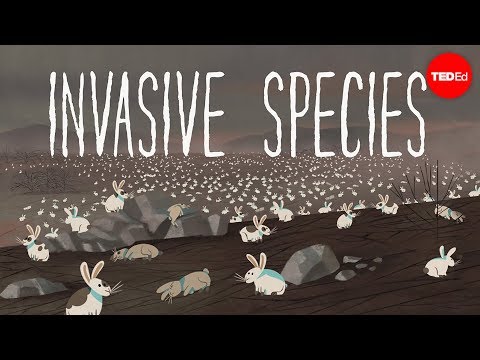
You know what’s wild? A few years back, I saw a Facebook post about a lady who was battling an invasion of giant snails in her garden. Seriously, these things were like tiny UFOs! Everyone was joking about how they were planning to race them or use them as pets. But in reality, invasive species can be a huge deal. Like, think about it: these plants and animals show up in places they totally don’t belong and can cause chaos. They sneak in, often without anyone noticing, and then boom! They start taking over, outcompeting the locals for food and resources. So why should you care? Well, just picture your favorite hiking spot being overrun by some aggressive plant. Not cool, right? In this conversation … Understanding Invasive Species in Biological ContextsRead more
Celebrating the Wonders of Biological Diversity in Nature
Did you know that there are more than a million species of insects on Earth? Yeah, it’s kind of wild. Imagine being out in nature and then realizing that, like, every little buzz or crawly thing has its own story. I remember hiking once and getting completely distracted by this tiny beetle. It was just chilling on a rock, but I was totally fascinated. Turns out, it’s all part of this crazy tapestry called biological diversity. Plants, animals, fungi—you name it! Each plays a role in keeping our planet ticking. And honestly? Every time you step outside, you’re walking into a world bustling with life and stories waiting to be told. How cool is that? So let’s chat about this amazing diversity around us! There’s … Celebrating the Wonders of Biological Diversity in NatureRead more
Aquatic Biology and Its Role in Ecosystem Health
So, here’s a quirky thought: did you know that the ocean is basically a giant soup? Seriously! It’s packed with all sorts of ingredients—tiny plankton, curious fish, and those mysterious creatures lurking deep down. Aquatic biology is like the behind-the-scenes crew for this watery world. It studies everything that swims, floats, or…well, drifts along. You might think it’s just some science mumbo jumbo, but the truth is, understanding these creatures really matters for keeping our ecosystems balanced. Like this one time at the beach, I spotted a crab scuttling sideways and thought, “Is that how they walk?!” Turns out there’s a whole dance of life happening beneath the waves that we barely recognize. These aquatic buddies play crucial roles in how we breathe and eat—yes, … Aquatic Biology and Its Role in Ecosystem HealthRead more
Connecting Biology and Ecology for a Sustainable Future
You know what I always find funny? The fact that we humans think we can outsmart nature. Seriously, we build all these cities, roads, and gadgets, and yet the tiniest critters—like ants—are still running the show under our noses. So, here’s the deal: biology and ecology are like best buddies. They really are! One’s all about the living things—the cells, plants, and animals—while the other focuses on how they interact with each other and their environment. Imagine your favorite pizza place. The fresh ingredients? That’s biology! The way they mix flavors to create an amazing meal? That’s ecology in action. Together, they can help us cook up some tasty solutions for a sustainable future! And if we don’t pay attention to that connection? Well, let’s … Connecting Biology and Ecology for a Sustainable FutureRead more
Bridging Nature and Science in Biological Ecology
Ever had a moment where you stared at a tree and wondered what it was thinking? I mean, these giants have been around forever, just standing there while we rush by, right? Well, did you know that trees can communicate with each other? It’s pretty wild! They send signals through their roots and even release chemicals when they’re feeling threatened. Talk about social networking on a whole new level! So here’s the deal: biological ecology is all about understanding these incredible connections in nature. It’s like peeling back the layers of a giant onion (or maybe more of an artichoke?). There’s so much going on with plants, animals, and their environments that we often overlook. Let’s dig into how nature and science go hand in … Bridging Nature and Science in Biological EcologyRead more
Bio Ecology: Connecting Life Systems and Environmental Health
You know how when you leave an ice cream out in the sun, it turns into a melty puddle? Yeah, that’s kind of what happens to ecosystems when they get too hot or too polluted! Bio ecology is like the world’s ultimate detective story. It’s all about figuring out how living things connect with each other and their surroundings. Imagine plants, animals, and even tiny microbes chatting with each other, sharing secrets about survival and health. When you think about it, our planet is this big, wild web of life. And every little change can cause shifts that ripple through the entire system. It’s pretty mind-blowing! So grab a comfy seat, maybe some snacks (because snacks make everything better), and let’s unpack how all these … Bio Ecology: Connecting Life Systems and Environmental HealthRead more
Nature’s Interconnected Web: Ecology and Evolution in Focus
Ever tried untangling a mess of headphone wires? It’s annoying, right? Well, nature is like that, but way cooler. Imagine all the plants, animals, and tiny critters working together in this crazy dance of life. Every single thing is connected in some way. Seriously! You have the big bears munching on berries while those little ants are busy breaking down leaves. It’s like a never-ending party where everyone plays a role. And then there’s evolution, sneaking in and making things even more interesting over time. Think of it as nature’s way of keeping up with trends—survival-style! So grab your favorite drink and let’s unpack this wild world of ecology and evolution together. You won’t want to miss what’s next! Understanding Nature: The Interplay of Ecology … Nature’s Interconnected Web: Ecology and Evolution in FocusRead more
Innovations in Landscape Ecology for Sustainable Conservation
You know what’s wild? A frog can change its color depending on its environment. Seriously! Imagine if we could do the same—just blend right into our surroundings. Well, that’s kinda what landscape ecology is all about. It’s like creating a colorful patchwork quilt of nature, where every piece works together for the bigger picture. Picture this: you’re hiking through a forest one day, and you notice a bunch of different plants and animals thriving together. That harmony? Totally thanks to smart conservation efforts inspired by landscape ecology. Now, here’s the kicker: with all the challenges facing our planet, we need some innovative ideas to keep those ecosystems buzzing along. So let’s chat about what’s happening in this field and how folks are getting creative with … Innovations in Landscape Ecology for Sustainable ConservationRead more
Recycling in Ecology: A Path to Sustainable Solutions
So, here’s a funny story. The other day, I was cleaning out my garage and found this old bike I totally forgot about. I mean, it had been collecting dust for years! Instead of tossing it out, I thought, why not fix it up? That got me thinking: recycling isn’t just about cans and bottles. You see, in nature, nothing really goes to waste. Animals and plants are masters at reusing stuff to survive. This cool process of recycling is super important for our planet too! It’s like Mother Earth’s way of saying, “Hey, let’s keep things moving!” And guess what? When we recycle right, we’re not just helping out our own backyards; we’re also setting the stage for sustainable solutions that can benefit everyone. … Recycling in Ecology: A Path to Sustainable SolutionsRead more
Advancing Restoration Ecology Through Scientific Collaboration
You know that moment when you walk through a park and think, “Wow, this is beautiful”? But then you spot a bit of litter or a patch of dead grass, and it kinda ruins the vibe? It’s wild how fragile nature can be. Restoration ecology is all about fixing those little messes in our ecosystems. Think of it as giving Mother Nature a helping hand—like when your friend tries to fix their sewing mishap, and you swoop in to save the day with your trusty needle and thread! But here’s the kicker: to really get things right, scientists are teaming up like never before. They’re sharing ideas, pooling resources, and tackling some major environmental issues together. This collaboration isn’t just smart; it’s absolutely essential if … Advancing Restoration Ecology Through Scientific CollaborationRead more
Animal Physiology and Its Role in Ecosystem Health
You know that moment when you see a giraffe trying to drink water? It’s like, how does it even work without falling over? Seriously, their bodies are like complex puzzles, all built to survive in the wild. Animal physiology is wild! Like, each creature has its own unique tricks to thrive in its environment. From the speedy cheetah zipping across the savanna to tiny hummingbirds hovering in mid-air, it’s all about adapting and surviving. But here’s the kicker: all these adaptations don’t just help the animals. Nope! They play a huge role in keeping entire ecosystems healthy and balanced. You’d be surprised at how interconnected everything is—animals, plants, and even us humans. So grab a drink and settle in! Let’s chat about how animal bodies … Animal Physiology and Its Role in Ecosystem HealthRead more
Ecology and Evolution: Bridging Science and Public Engagement
So, I was out hiking the other day, right? Just me, the trees, and a million buzzing bugs. And I couldn’t help but think about how wild it is that every living thing around us has a story. Like, you’ve got plants hanging out for years, waiting for their moment in the sun. Seriously. Now, when people mention ecology and evolution, a lot of us might zone out a bit. But honestly? These topics are all around us! They shape our planet and impact every single one of us—like your backyard garden or that pesky raccoon raiding your trash. Imagine if we got everyone on board with understanding these concepts better. It could change the way we see our environment and ourselves in it. Think … Ecology and Evolution: Bridging Science and Public EngagementRead more
Nature’s Balance: Promoting Ecology through Science Education
You know that feeling you get when you’re out in nature, maybe hiking or just chilling in a park? It’s like the world is humming a secret tune, and you’re kinda in on it. But here’s the thing: that harmony we love is fragile. Picture this—last summer, I tried to teach my little cousin about bees. One minute we were buzzing about their importance, and the next, he was convinced they were just tiny flying ninjas looking for trouble! We both cracked up, but it got me thinking. Bees are actually super crucial for so many plants and flowers we adore. They help ecosystems thrive! And that’s where science education swoops in like a superhero cape. The more we understand about nature’s balance, the better … Nature’s Balance: Promoting Ecology through Science EducationRead more
Biodiversity: The Foundation of Life on Earth
You know what I find totally mind-blowing? There are more species of beetles on Earth than there are people! Seriously, no joke. Imagine if each person had a beetle buddy, and then some. Biodiversity is like this epic party of life where everything has a role. Plants, animals, fungi—it’s all connected in this wild web. And guess what? This party is happening right under our noses every day! So, why should we care? Well, without biodiversity, life as we know it would just crumble like yesterday’s cupcake. When they say variety is the spice of life, they really mean it when it comes to nature! Let’s take a stroll through this vibrant world and see why keeping that biodiversity jam-packed is so essential for us … Biodiversity: The Foundation of Life on EarthRead more
Coastal Ecosystems and Their Role in Climate Resilience
So, imagine this: you’re at the beach, sipping a cold drink, and suddenly, a seagull swoops in, stealing your sandwich. Classic beach day, right? But here’s the thing—those seagulls are just a small part of something way bigger happening along our coasts. Coastal ecosystems are like nature’s super heroes. They work overtime, helping to fight against climate change while keeping our planet healthy and happy. You might not think about it much while you’re enjoying the sun and surf, but those habitats are essential. They provide shelter for wildlife, store carbon, and even protect us from storms. Crazy how much action is going on beneath that calm surface! So how do these coastal areas really help with climate resilience? Well, let’s break it down in … Coastal Ecosystems and Their Role in Climate ResilienceRead more
Biodiversity Under Threat: A Call for Scientific Action
You know how there are those weird animal videos that pop up online? Like, a sloth getting ready to cross the road and taking its sweet time? It’s hilarious, but also, kind of sad when you think about it. Here’s the thing: those quirky creatures are part of a much bigger picture. Biodiversity is what makes our planet pop with life. But guess what? It’s in trouble. I mean, we’re talking about some serious threats out there, like habitat loss and climate change. It’s like watching your favorite show get canceled when there’s still so much story left to tell! We need action, right now! So let’s chat about why biodiversity matters and what we can do to help it survive. You ready? Understanding the … Biodiversity Under Threat: A Call for Scientific ActionRead more
Unraveling the Principles of Logistic Population Growth
Alright, picture this. You’re chilling in your backyard, and suddenly you spot a tiny ant carrying what looks like a crumb ten times its size. Like, how does it even manage that? Ants are basically nature’s little superheroes! Now, let’s shift gears to something just as fascinating—population growth. Ever wondered why some species explode in numbers while others seem to plateau? It’s actually a pretty cool concept called logistic growth. So, what’s the deal with it? Basically, life isn’t just about going wild and multiplying like rabbits; there are limits involved. Think about a pizza party where everyone can grab a slice but there’s only one pizza. The excitement is real at first, but eventually, you hit a wall when the slices run out. Let’s … Unraveling the Principles of Logistic Population GrowthRead more
Defining Ecosystem Biodiversity and Its Role in Nature
You know, I still remember the time my friend and I tried to go birdwatching. We got all excited, packed snacks, and headed out to see these beautiful creatures. But all we saw was a flock of pigeons pooping on a statue! Classic, right? But it got me thinking, like, how much we miss when we just focus on the obvious. There’s a whole world of life buzzing around us, from the tiniest ants to the biggest trees. That’s what biodiversity is all about. It’s not just about having a lot of different species around; it’s also about how they all play together in this giant game called nature. And honestly, understanding this stuff can totally change how you see your backyard or that park … Defining Ecosystem Biodiversity and Its Role in NatureRead more
Ecosystem Diversity and Its Role in Biodiversity Conservation
You know that feeling when you step into a forest, and it’s like nature just gives you a big hug? All those sounds, colors, and smells blend together to create this crazy beautiful scene. That’s ecosystem diversity for you! It’s kind of wild when you think about it. Biodiversity isn’t just about the number of cute animals or pretty plants out there. It’s more like a giant web where every little thing counts. Seriously! If one piece goes missing, the whole thing can start to wobble. Remember when your friend tried to bake a cake but forgot the eggs? It didn’t turn out great, right? Ecosystems are sort of like that cake—every layer and ingredient has a role. And if we want to keep our … Ecosystem Diversity and Its Role in Biodiversity ConservationRead more
The Significance of Dominant Biology in Our Ecosystems
Okay, so here’s a fun thought: what if trees could gossip? Imagine them whispering about the deer or that squirrel that just cannot stop jumping around! Well, in a way, the natural world does have its own kind of chatter happening all the time. You see, dominant biology is like the main character in our ecosystem story. It’s not just about who’s the biggest or baddest on the block. It’s more like a delicate dance between species that keeps everything in balance. Ever tried to get everyone together for a group photo? You know how chaotic it can get! That’s kind of how ecosystems operate too. Each species plays a part, whether it’s a towering tree or a tiny bug, and it all comes together … The Significance of Dominant Biology in Our EcosystemsRead more
Advancing Global Change Biology Through Collaborative Science
You know what’s wild? We’ve only explored about 20% of the ocean. I mean, there are probably creatures down there having tea parties and discussing existentialism while we’re over here scrambling to keep up with climate change. But seriously, global change biology is a big deal. It’s all about understanding how our planet is shifting and how living things adapt or, sadly, don’t. The stakes are high. Species are disappearing faster than my motivation to go to the gym after a long week! What really gets me excited is the power of collaboration in this field. Like when scientists from different backgrounds team up and share ideas—bam! You get innovative solutions that might actually make a difference! We’re talking about tackling issues that cross borders, … Advancing Global Change Biology Through Collaborative ScienceRead more
Scientific Approaches to Animal Preservation and Conservation
You know what’s wild? Every year, about 1 million species are at risk of disappearing. Yup, that’s one million! It’s like a massive game of hide and seek, but with animals and plants we might never see again. I still remember the first time I saw a sea turtle. I was at this beach, and out of nowhere, this graceful creature just glided by. It felt magical! But then I learned they’re endangered. Kinda heartbreaking, isn’t it? Animal preservation and conservation? It’s not just for biologists in lab coats. It’s something we all can get into. Seriously! We’ve got loads of cool approaches to help save our furry (and scaly) friends. So let’s unpack some of them together. Trust me; it’ll be worth your time! … Scientific Approaches to Animal Preservation and ConservationRead more
Urban Ecology: Bridging Nature and City Life Through Science
You know that moment when you’re in the city, surrounded by concrete and noise, and then you spot a pigeon strutting around like it owns the place? Yeah, those little guys are part of a bigger picture! Urban ecology is all about figuring out how nature just wiggles its way into our bustling lives. It’s like, why do squirrels think it’s okay to munch on your lunch leftovers? Crazy, right? There’s so much going on in cities that we don’t even notice. From parks that serve as mini jungles to the little ecosystems living in cracks between sidewalks. It’s like nature’s stealth mode! Basically, urban ecology helps us bridge that gap between city life and the wild. So come along while we explore how these … Urban Ecology: Bridging Nature and City Life Through ScienceRead more
Wetland Ecosystems: Biodiversity and Conservation Challenges
So, here’s a fun fact: did you know that wetlands are basically the superheroes of the ecosystem world? Seriously! These unique spots are like nature’s sponges, soaking up water and keeping everything in balance. But, hey, it’s not all sunshine and rainbows. Wetlands are facing some major challenges. You might think they’re just muddy areas with mosquitoes buzzing around, but they’re bustling with life—like a hidden party that nobody talks about. I remember visiting a wetland once; it was like stepping into another world. Frogs croaking, birds flapping around, and plants swaying gently in the breeze. It felt magical! But then I learned that many of these places are disappearing faster than an ice cream cone on a hot day. It kind of makes you … Wetland Ecosystems: Biodiversity and Conservation ChallengesRead more
Behavioral Ecology and Its Role in Conservation Science
You know what’s funny? My buddy once tried to befriend a squirrel. Seriously, he thought sharing a peanut would turn that little guy into a lifelong companion. Spoiler alert: it didn’t work out. But it got me thinking—why do animals act the way they do? That’s where behavioral ecology comes in. It’s like the secret sauce behind animal behavior. This field helps us understand why critters act all quirky, how they survive, and why some species do better than others in their habitats. So, picture this: you’re wandering through a forest, and suddenly you spot a bird doing its thing. Isn’t it wild to imagine there’s a whole science explaining why it chose that tree or is singing at that hour? Now, tie that to … Behavioral Ecology and Its Role in Conservation ScienceRead more
Connecting Science with Ecology and Ecosystem Health
So, let me tell you a little story. Picture me camping last summer, right? I’m trying to enjoy the great outdoors when I hear this weird rustling in the bushes. I swear my heart was racing! Turns out, it was just a raccoon digging around for snacks. But that whole encounter got me thinking about how connected everything is: the plants, animals, and, of course, us trying to survive out there. You see, science is like this massive puzzle where each piece helps us understand our ecosystems better. Seriously—everything we do affects the environment around us. Ever noticed how a small change can lead to big consequences? It’s wild! Ecology dives deep into these connections. It’s all about how living things interact with each other … Connecting Science with Ecology and Ecosystem HealthRead more
Pursuing a Degree in Ecology and Its Real-World Applications
So, picture this: you’re out on a hike, enjoying the beauty of nature when suddenly, a squirrel scampers across your path. You pause and think, “What’s that little dude up to?” Ecology is like that—it’s all about those connections between living creatures and their environment. And trust me, it’s way cooler than it sounds. You know how we always hear about climate change and endangered species? Well, ecologists are the folks working behind the scenes to make sense of it all. They dive into ecosystems, study animals and plants, and figure out how everything fits together. It’s like putting together a giant puzzle, where every piece matters. But here’s the kicker: pursuing a degree in ecology isn’t just for people who want to stare at … Pursuing a Degree in Ecology and Its Real-World ApplicationsRead more
Biodiversity and Balance in Natural Ecosystems
Picture this: you’re in the middle of a beautiful forest. Sunlight is filtering through the leaves, and suddenly, a squirrel darts past you, almost like it’s auditioning for a role in a movie. You smile because, well, nature puts on quite the show, doesn’t it? But here’s the thing—while that little squirrel seems cute and all, it’s part of something way bigger. Nature isn’t just a bunch of random plants and animals hanging out. It’s like a massive team where every player has its role. So let’s chat about biodiversity! Sounds fancy, right? But really it just means all the different living things in an ecosystem—like those quirky squirrels, beautiful birds, and even creepy-crawly bugs. Each one contributes to making everything balanced and healthy. You … Biodiversity and Balance in Natural EcosystemsRead more
Supporting Science in Wildlife Conservation Efforts
Did you know that there’s a frog out there that can freeze solid and still come back to life? Seriously! It’s like the ultimate chill-out move. Wildlife is amazing, isn’t it? Yet, as much as we adore those quirky creatures, they’re facing some serious challenges. We’re talking about habitat loss, climate change, and poaching. You know it’s not all rainbows and butterflies out there. So, how can we help them? The answer lies in science and conservation efforts. It’s like putting on superhero capes for the planet. Every little bit counts! And believe me, this isn’t just nerdy stuff. The work scientists do has real impact—like saving species from going extinct or restoring ecosystems. So grab your favorite drink, and let’s chat about how supporting … Supporting Science in Wildlife Conservation EffortsRead more
Ecology and Ecosystems in Scientific Outreach Efforts
You know that feeling when you step outside, take a deep breath, and just feel alive? Yeah, that’s nature doing its thing. But here’s a wild thought: every little thing out there—from the tiniest ant to the tallest tree—plays a part in this complex dance we call an ecosystem. I once watched my dog chase butterflies in the park. He was just having a blast, but it hit me—those butterflies are not just pretty wings flitting about; they’re part of something way bigger. That butterfly’s life is intertwined with plants, birds, and even the soil! So, what’s the deal with ecology? Well, it’s all about those connections! And honestly, understanding ecosystems is super important for our planet and us too. We’ve got to get this … Ecology and Ecosystems in Scientific Outreach EffortsRead more
Ecosystem Biology: Connecting Science and Nature for All
Ever watched a nature documentary and thought, “Wow, that’s cool!”? You know, like when the cheetah sprints after its prey, and you’re just sitting there with your popcorn? Well, ecosystems are sorta like that. They’re these incredible webs of life where everything is connected—plants, animals, even those creepy little bugs you usually don’t notice. Just picture it: a tree giving shade to a squirrel while the squirrel munches on its fruits. It’s all part of the same magic show! And here’s the kicker—understanding how these ecosystems work isn’t just for scientists in lab coats! It’s something all of us can get into. Seriously! By diving into ecosystem biology, you can see how our actions ripple through nature. So, let’s take a stroll through this vibrant … Ecosystem Biology: Connecting Science and Nature for AllRead more
Ecosystem Engineers and Their Role in Habitat Restoration
Okay, so picture this: you’re walking through a forest, and you suddenly trip over something. It’s not a rock or a root; it’s an old beaver dam! Seriously, those busy little critters can totally reshape their surroundings without even breaking a sweat. Ecosystem engineers are kinda like nature’s construction workers, building and shaping habitats that help other plants and animals thrive. You might not think about it much, but they play a huge role in keeping ecosystems balanced. Now, imagine if these little engineers vanished overnight. Yikes! The ripple effects would be wild—sometimes in ways we couldn’t even guess. So let’s chat about why these amazing creatures matter for habitat restoration and how they help our planet stay in tip-top shape! Ecosystem Engineers in Habitat … Ecosystem Engineers and Their Role in Habitat RestorationRead more
Lake Ecology: Interactions and Biodiversity in Freshwater Systems
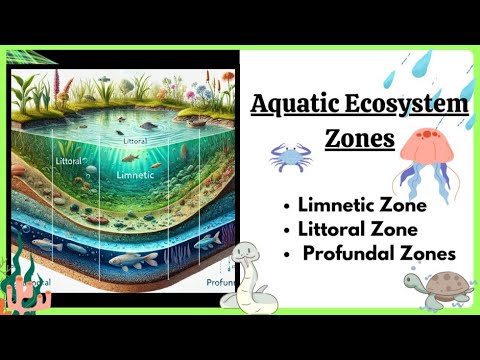
You know that feeling when you’re chilling by a lake, maybe skipping stones or just soaking up the sun? It’s all fun and games until you realize there’s a whole universe swirling beneath the surface. Seriously! Lakes aren’t just big ol’ puddles. They’re bustling communities filled with life, where fish, plants, and all kinds of critters hang out. Ever seen a frog catch a fly? That’s teamwork in action! But here’s the kicker: each creature plays its part in this watery world. From tiny zooplankton to majestic swans, it’s like an intricate web of connections. So many interactions happening right under your nose! That’s what lake ecology is all about—getting into the nitty-gritty of who lives where and how they all get along. Let’s jump … Lake Ecology: Interactions and Biodiversity in Freshwater SystemsRead more
The Vital Role of Lakes in Global Ecosystem Health
So, you know those lazy afternoons by a lake? Just chilling, maybe skipping stones, or watching ducks paddle around? It’s pretty great, right? But have you ever thought about how that body of water is doing way more than just looking pretty? Seriously! Lakes are like the unsung heroes of our planet. They might seem chill, but they’re packed with action behind the scenes. They support wildlife, regulate climate, and even provide us with drinking water. Who knew such a serene spot could be so vital? Think of lakes as nature’s multitaskers. Just like your friend who somehow juggles work, family, and a social life while still making it to brunch every Sunday. Yeah, it’s kind of like that. So let’s explore just how these … The Vital Role of Lakes in Global Ecosystem HealthRead more
Engaging Communities in Wildlife Ecology Conservation Efforts
So, picture this: a bunch of kids on a school trip. They’re all huddled around a muddy pond, squealing over frogs hopping around. Now, you might think, “What’s the big deal?” But those squeals? They’re the sounds of curiosity blossoming. Wildlife ecology conservation isn’t just about saving animals; it’s about getting people involved, like those kids! It’s like trying to catch fireflies on a warm summer night—exciting and buzzing with energy. When communities come together to protect nature, cool things happen. People start caring more about their environment and make changes that really matter. Think about it—when was the last time you heard someone talk passionately about their favorite local park or animal species? That’s the spark we need! Let’s explore how getting folks involved … Engaging Communities in Wildlife Ecology Conservation EffortsRead more
Conservation Science in the Ngorongoro Crater Ecosystem
You know what’s wild? The Ngorongoro Crater in Tanzania is like nature’s giant bowl, cradling a diverse world of incredible wildlife. Seriously, I once heard someone say it’s like a zoo without fences, and that totally stuck with me. Imagine being surrounded by elephants casually munching on grass while lions snooze under acacia trees. But this place isn’t just a pretty postcard. It’s super important for conservation science too! With the pressure of climate change and human encroachment, keeping this ecosystem thriving is no small task. And believe me, it’s not just the animals that feel the effects—it’s us too! So, let’s chat about why conservation efforts here are crucial and what makes this ecosystem so special. Exploring the Unique Ecological Significance of the Ngorongoro … Conservation Science in the Ngorongoro Crater EcosystemRead more
Biodiversity’s Role in Ecosystem Health and Resilience
You know that moment when you find a bug in your house, and you freak out? Like, why is there a cockroach at my party? But here’s the thing: that little critter is part of a whole ecosystem. Crazy, right? Biodiversity isn’t just about the adorable pandas or majestic whales. It’s also those creepy crawlies you sometimes want to swat! Turns out, each kind of plant or animal plays a role in keeping our planet ticking. Imagine an orchestra, but instead of music, it’s life! When ecosystems are diverse, they’re like this super team ready to tackle challenges—like climate change or disease outbreaks. So next time you see an ant or a strange plant, remember: they’re all doing their part to keep things balanced. Pretty … Biodiversity’s Role in Ecosystem Health and ResilienceRead more
Fish Biologists: Advancing Aquatic Ecosystem Science
So, picture this: you’re standing on a dock, fishing rod in hand, and suddenly you feel a tug. It’s either the biggest fish of your life or just a stubborn old boot. Either way, it’s exciting, right? Now, imagine if you had a bunch of fish biologists around you. They’d be nerding out about everything happening beneath the surface while you’re just trying to reel in that elusive catch. Pretty cool, huh? Fish biologists are like the detectives of aquatic ecosystems. They spend their days swimming through facts and figures to unlock the mysteries of fishy life. From tiny minnows to massive marlins, these folks dive deep into understanding how these creatures fit into their watery neighborhoods. And it’s not just about knowing where the … Fish Biologists: Advancing Aquatic Ecosystem ScienceRead more
Ecological Significance of Freshwater Wetlands in Ecosystems
So, I once went to a swampy area on a summer day, and honestly? It was like stepping into another world. The buzz of insects, the croaking frogs, and that odd smell—let’s just say it was an experience! But here’s the kicker: that muddy water is basically a superhero for our planet. You see, freshwater wetlands might look like just soggy ground to some folks, but they’re absolute champions in the ecosystem game. Seriously! They’re brimming with life and doing some heavy lifting without even breaking a sweat. These wetland areas are like nature’s sponges—they soak up excess rainwater and filter out nasty stuff before it gets to rivers and lakes. I mean, how cool is that? They might be slimy and muddy but they … Ecological Significance of Freshwater Wetlands in EcosystemsRead more
Advancing EBS Conservation through Science and Outreach
You know that feeling when you’re out in nature, and you see something so weird, like a tree that looks like it’s doing yoga? Seriously, it’s wild! Nature has its own quirky personality, and honestly, we can learn so much from it. So, let’s chat about something super important: conserving ecosystems. Imagine all those animals and plants hanging out together, doing their thing. Yeah, they need our help to stick around! That’s where science comes into play. You might think of scientists as lab coats and serious faces. But really? They’re just curious folks who want to help out. And outreach? Well, that’s all about sharing cool findings with everyone. It’s like a community potluck—everyone brings something to the table! Together, through science and connection, … Advancing EBS Conservation through Science and OutreachRead more
Boreal Forests: Climate Dynamics and Ecological Importance
So, picture this: you’re out in the wild, surrounded by towering trees that seem to stretch all the way to the sky. You know those giant Christmas trees? Yeah, those are just babies compared to the ones in boreal forests. Now, these places are like nature’s treasure chest. They’re home to all sorts of critters, from moose to migratory birds. And if you think that’s cool, wait until I tell you about their role in climate dynamics. These forests are kind of like Earth’s lungs; they absorb tons of carbon dioxide and help fight off climate change. But there’s a lot more going on here than meets the eye. Get comfy because I’m gonna take you through why boreal forests matter so much—not just for … Boreal Forests: Climate Dynamics and Ecological ImportanceRead more
The Role of Fisheries Biologists in Sustainable Practices
You know, the other day I was fishing with my uncle, and he caught this ancient-looking catfish. Seriously, it must have been around since dinosaurs roamed the earth! We joked about how it probably had stories to tell. But then it got me thinking about some real fishy heroes out there—fisheries biologists. These folks spend their days studying fish and working to keep our oceans and lakes healthy. Imagine trying to balance between catching your dinner and ensuring those ancient catfish are around for future generations. It’s a bit like being a referee in a game where everyone wants to win. They’re not just scientists; they’re caretakers of these watery worlds, you know? They play a huge role in sustainable practices that help maintain fish … The Role of Fisheries Biologists in Sustainable PracticesRead more