Alright, so imagine you’re on a farm, and there’s this massive cowskull chillin’ in the sun. Looks kinda spooky but also, like, super interesting, right? Well, that skull is more than just a creepy decoration.
It’s got a whole story to tell — about how cows live, what they eat, and even their health. Seriously! Who knew a bony structure could be such a big deal in animal science?
You’ll find out why understanding the anatomy of cattle skulls can help farmers and scientists make better decisions about cattle care. Let’s dig into this bone-tastic adventure together!
Comprehensive Guide to Cow Skull Anatomy: In-Depth PDF Resource for Veterinary Science and Comparative Anatomy
Cattle skulls are kind of fascinating, right? You see them in fields or museums, and they can tell you a lot about the animal. When you look closely, the structure of a cow’s skull is not just for looks; it plays a huge role in its health and behavior.
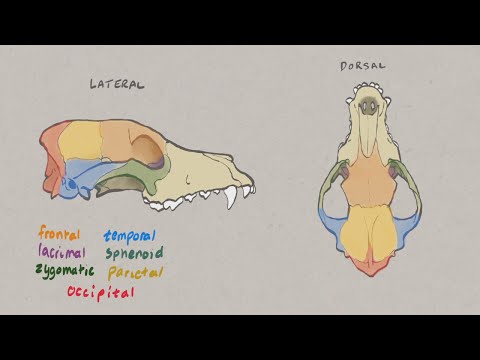
First off, let’s talk about the basic structure. The cow skull, like all mammal skulls, is made up of several bones fused together. This includes the frontal bone, which forms the forehead area, and the nasal bones that shape the snout. Understanding these bones is essential for anyone in veterinary science because they can impact everything from feeding to breathing.
The jaw area is particularly interesting. Cows have a very unique jaw structure called a dental arcade. This means their teeth are arranged in a way that allows them to grind up tough grasses efficiently. When vets check a cow’s teeth, they’re looking for signs of wear or disease that could affect feeding and digestion.
Also notable is the presence of sutures, which are fibrous joints connecting various skull bones. These are important as they allow for slight movement during birth—a crucial feature given that calves have to come through a relatively narrow birth canal. This flexibility reduces potential injury during delivery.
Another key aspect is the orbital cavity, where the eyes sit. In cattle, these cavities are positioned more on the sides of the skull compared to humans. This gives cows a wider field of vision but compromises depth perception somewhat. Ever seen them startle at something behind them? That’s part of it!
Here’s something cool:
in cattle skulls also play roles beyond simple space-filling functions; they help lighten the skull while still providing structural strength and helping with moisture regulation in breathing.
The **horn structures**, if present (as not all cattle have horns), are fascinating too! Horns grow from bony cores in specific points on their skulls and can provide insight into age or health—something that’s super useful in animal science.
When studying comparative anatomy—where you compare different species—you’ll see how cows’ skull structures relate to other animals like sheep or goats. Each has adapted differently based on their diets or environments.
So when you think about cow skull anatomy, remember it’s not just about identifying bones or drawing diagrams; it’s about understanding how these structures affect behavior and overall health! It also emphasizes why learning this stuff is critical for anyone working with cattle—whether as veterinarians or farmers.
There’s so much more than meets the eye when it comes to anatomy! Each part tells its own story about survival and adaptation—kind of amazing if you think about it!
Exploring Cattle Skull Anatomy: Key Insights into Animal Science and Brain Function
So, have you ever taken a good look at a cattle skull? It’s not just a boring old bone structure; it’s actually a fascinating glimpse into the complexities of animal science and how brains function in these amazing creatures. Seriously, let me break it down for you!
First off, the **cattle skull** is pretty massive. It’s designed to support their large jaws, which help them munch on all that grass. You know how cows are always chewing? Well, that’s because their skulls have evolved to accommodate a huge set of molars for grinding up food. They need those strong teeth to extract nutrients from tough plants.
Inside the skull, there’s the braincase which houses the brain. The **cattle brain** is surprisingly complex! It may not be as big as a human brain but has some nifty adaptations that allow cows to process their surroundings effectively. For example, they have excellent vision thanks to their big eyes located on the sides of their heads. This gives them a wide field of view—perfect for spotting predators lurking nearby.
Now let’s talk about the different parts of the skull. The key components include:
- Frontal Bones: These form the forehead area and protect important sensory organs.
- Parietal Bones: They provide protection for the upper part of the brain.
- Occipital Bone: This area supports the spinal cord and is crucial for balance.
- Maxilla: That’s where you’ll find those sturdy upper jawbones helping with chewing.
Each bone plays its own role in protecting vital functions and supporting everyday activities for cattle.
But here’s something really interesting: cattle are social animals! Their brains are wired in such a way that they can recognize other individuals and even form friendships within their groups. So when you see cows hanging out together, they’re not just lounging—they’re building bonds! Research has shown that when cattle are stressed or isolated, they can exhibit behavioral changes that affect their overall well-being.
And if we’re talking about brain function, we can’t ignore how important it is in terms of animal welfare and husbandry practices. Understanding cattle skull anatomy helps scientists and farmers assess health issues better too. If there’s an injury or disease affecting their skull—and by extension their brain—it can lead to serious problems like behavioral issues or reduced feeding efficiency.
So remember next time you’re out and about—those cattle aren’t just filling fields; they’ve got unique anatomical structures reflecting who they are as animals! Each skull tells a story about evolution, adaptation, and even social dynamics in their world. It’s really quite incredible when you think about it!
Exploring Bovine Skull Anatomy: Insights into Structure and Function in Veterinary Science
So, let’s chat about bovine skull anatomy and what makes it interesting in the field of veterinary science. Cattle, like any animal, have skulls that tell us a lot about their lives, behaviors, and health. It’s not just some random bone structure; it plays a crucial role in how they function.
The bovine skull is made up of several bones that are fused together. This structure provides protection for the brain while allowing for the attachment of muscles that make chewing possible—a super important thing for cattle since they spend much of their day munching on grass!
Now, let’s break down some key parts:
- Frontal Bone: This is right at the front and contributes to the forehead area. It can affect how a cow looks; you might notice different shapes based on breed.
- Maxilla: That’s basically where the upper jaw is found. It holds the teeth that help grind down tough plant material.
- Nasal Bone: The nose area helps them breathe well during all that eating and chewing.
- Zygomatic Bone: This one forms part of the cheekbone, giving shape to their face but also being key in muscle attachment for chewing.
The cranium part of the skull houses the brain, which is vital for all those smart cow decisions! Cows are surprisingly intelligent—seriously! They can recognize faces and remember stuff. That’s where good skull design comes into play; it keeps everything protected while allowing room for a big brain.
You know when you see those slightly different shapes in cattle heads? Well, those variations often reflect adaptations to their environment or even specific breeding purposes. Some cattle have broader heads to accommodate larger teeth for grazing in tougher terrains, which is just fascinating!
An interesting point is how veterinarians use this knowledge in their practice. For example, when examining a cow with dental issues or showing signs of discomfort while eating, understanding skull anatomy becomes crucial. They might look at whether bone structures are malformed or if there are other issues impacting feeding.
Cows also have these big ol’ horns (in some breeds), which not only look cool but also serve important functions related to social interactions and defense. Horn growth originates from the skull and can tell us quite a bit about genetics too!
This understanding isn’t just academic; it helps improve animal welfare too! Knowing if something’s off with their skull structure could mean better health management strategies.
A little story here: I once saw a farmer who really paid attention to his cows’ head shapes and sizes. He noticed one cow was having trouble chewing properly—it turned out she had an issue with her molars! Because he understood anatomy well enough to spot changes early on, he could get her treated right away instead of letting her suffer. That kind of connection between anatomy and care makes a real difference!
Bovine skulls may seem straightforward at first glance but dive deeper into their anatomy and function—you’ll find there’s loads going on with them! So next time you see cattle grazing peacefully, think about all that solid science behind their skulls keeping them healthy.
You know, it’s kind of funny to think about how something as simple as a cattle skull can tell us so much about the animal. I mean, when you look at it, it’s just a skull, right? But there’s a whole world of information packed in there.
Take the time I visited a farm with my cousin. He wanted to show me their new cattle. While we were there, he picked up an old cattle skull that had been lying around. It was bleached by the sun and so worn down that you could see those smooth edges. I gotta tell ya, it felt like holding a piece of history in my hands! And then he started pointing out features like the horns and the nasal cavity. That’s when I realized—wow, there’s way more to this than meets the eye.
So let’s break it down a bit. The anatomy of a cattle skull has some pretty cool parts that help us understand how these animals live and thrive. First off, you’ve got the horns, which aren’t just for show; they play roles in social behavior and defense against predators. Isn’t it neat how something that looks tough also speaks volumes about an animal’s personality?
Then there’s the jaw structure, which is super interesting too! Cattle are ruminants—basically, they chew their food like pros. Their jaws have evolved specifically for grazing grass and other tough plants often found in their environment. That big ol’ mouth helps them to munch away on all sorts of fibrous foods while converting it into energy.
Oh! And don’t forget the nasal cavity—a major player when it comes to breathing and even smell! These guys need good ol’ oxygen for grazing long hours under the sun during those hot summer days.
But here’s where it gets really emotional for me: Knowing that every little feature has evolved over time due to their environment and lifestyle makes me appreciate nature in a new way—like they’re little survivors navigating challenges every day!
Understanding all this is not just fascinating; it’s crucial for animal science too! Researchers study these structures to improve health care for livestock or even enhance breeding programs by selecting traits that make cattle more resilient or efficient.
So yeah, next time you see a cattle skull—or really any animal skull—you might find yourself thinking about its purpose beyond being just bone and teeth. Each part has its story to tell about survival, adaptation, and a long relationship between animals and humans over centuries. Wild stuff!