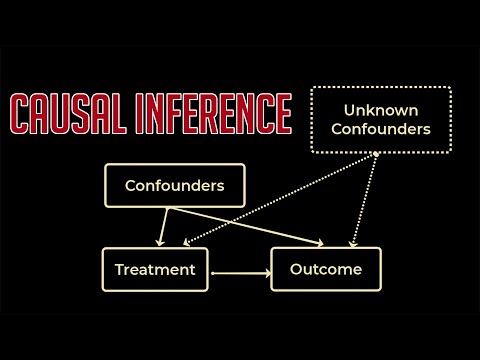
Alright, picture this: you’re at a family dinner, and someone brings up that age-old debate—nature vs. nurture. You know, who’s to blame for Uncle Bob’s terrible karaoke skills?
Well, it turns out that figuring this stuff out is way more complicated than just dishing out opinions. This is where causal machine learning steps in. Yeah, I know it sounds fancy, but don’t freak out; we’re not diving into some sci-fi plot here!
Basically, it’s like a super-smart detective that helps scientists untangle the messy web of causes and effects in research. Imagine being able to tell if a new drug really works or if it’s just a placebo effect—pretty neat stuff, huh?
So let’s chat about how this cool tech is shaking things up in the world of research methods.
Exploring Causal Machine Learning: Innovations in Scientific Research Methods (PDF Download)
Causal Machine Learning is all about digging deeper into the “why” behind things. You know how in normal machine learning, we often ask “What’s going to happen?” but not necessarily “Why did it happen?” That’s where causal ML puts on its thinking cap! It’s about understanding not just correlations, but real cause-and-effect relationships.
In scientific research, being able to pinpoint causation rather than mere correlation can change everything. Imagine you’re studying the effects of a new drug. A causal approach helps you understand if it’s the drug actually making patients better or if other factors are at play—like maybe they’re exercising more or eating differently.
One key aspect of causal ML is using counterfactual reasoning. This is like asking, “What would have happened if we hadn’t given the drug?” You take a scenario and flip it around to see different outcomes. It’s like playing with a time machine in your brain! Researchers can create synthetic control groups through algorithms that simulate what would have happened without an intervention.
Another exciting innovation is the use of graphical models. These are like maps showing how different variables are connected. Let’s say you’re looking at climate change and crop yields; you could visualize how temperature, rainfall, and soil quality interact with each other. By breaking down these relationships visually, scientists get clearer insights into what drives changes.
Then there are ointerference frameworks, which examine how one participant’s treatment might affect another’s outcome. Think about sharing information on social media—what one person sees can impact their friends’ opinions too! This kind of analysis gives a fuller picture of dynamics at play.
Even though these methods sound fancy, they rely heavily on good data. A solid dataset is like having high-quality ingredients for a meal; without them, your conclusions might turn out bland or even misleading. There’s tons of effort here in refining data collection techniques, making sure researchers get the best info possible.
But it doesn’t stop there! Causal ML also leans heavily on randomized controlled trials (RCTs), often considered the gold standard in research for testing hypotheses. But let’s be real—RCTs can be tricky and expensive! That’s where causal machine learning jumps in to help analyze observational data, making those RCTs easier to design and manage.
Lastly, there’s a crucial need for interdisciplinary collaboration when applying these methods across different fields—be it medicine, social sciences, or economics. Different perspectives can illuminate aspects that pure data crunching might miss.
So next time you hear about Causal Machine Learning come up in conversation? Just know it’s more than just fancy algorithms—it’s reshaping how scientists ask questions and interpret results in all kinds of fields! The possibilities are as exciting as they sound; it’s revolutionizing how researchers think about problems and solutions alike!
Advancing Scientific Research Methods: Examples of Causal Machine Learning Applications
So, causal machine learning, huh? It’s a fascinating topic that’s kind of blowing up in the research world. To keep it simple, it’s all about figuring out how one thing influences another—like how your coffee habit might affect your productivity. Let’s unpack this a bit.
Causal machine learning combines traditional statistical methods with modern machine learning techniques. The goal? To gain better insight into cause-and-effect relationships rather than just correlational ones. This matters because correlation can be misleading; just because two things happen together doesn’t mean one causes the other.
One key aspect of this approach is its ability to analyze complex data sets with many variables. For instance, researchers can look at multiple factors that influence health outcomes without losing sight of what really matters. It allows them to establish more precise causal inferences based on available data.
Now, let’s talk about some applications. Here are a few examples:
There’s something kind of cool about how this all ties into real life! I remember hearing about a study where researchers looked at school performance and its connection to classroom environments. They used causal methods to separate genuine effects from noise in the data—helping schools make better decisions on resource allocation.
But you know what’s tricky? Setting up experiments or collecting the right kind of data for causal analyses is often not straightforward. Well-designed studies are essential here; otherwise, you risk drawing wrong conclusions.
As exciting as it sounds, this field isn’t without challenges! Upcoming researchers must grapple with biases in data collection and ensure their models accurately reflect real-world scenarios without oversimplifications.
In summary, causal machine learning is transforming how we approach scientific research by honing in on cause-and-effect relationships across various fields—whether it’s medicine or economics or sociology—and making our understanding more robust and actionable! You see? It’s pretty remarkable what’s happening when technology meets human inquiry!
Exploring Causal Inference Techniques in Scientific Research: Insights from Carnegie Mellon University
Causal inference is a big deal in scientific research these days. Basically, it’s all about figuring out what causes what. You know how sometimes you hear someone say, “If I don’t water my plants, they die”? That’s like a simple cause-and-effect relationship. Now, imagine trying to figure this out in a more complex world, like understanding how smoking affects health.
At Carnegie Mellon University, researchers are digging into causal machine learning. This is where things get real interesting! They’re blending traditional statistical methods and modern machine learning techniques to improve our understanding of causality. Just think about the possibilities when you can use data to not just see patterns but also grasp the underlying reasons for those patterns.
For example, let’s say you’re looking at the impact of exercise on weight loss. Traditional methods might just show a relationship—like people who exercise tend to weigh less. But causal inference digs deeper: Was it the exercise that caused weight loss? Or maybe people who lose weight are more likely to start exercising? It’s this kind of analysis that can lead us to make smarter decisions based on real insights rather than assumptions.
Researchers at CMU use various techniques to tease apart these complicated relationships, such as:
- Randomized controlled trials: This method involves randomly assigning subjects into different groups (treatment vs. control) to see how different conditions affect outcomes.
- Propensity score matching: Here, researchers try to match subjects from different groups based on similar characteristics so that the comparison is fairer.
- Instrumental variables: These are used when there might be hidden biases affecting the results.
But it doesn’t stop there! The beauty of causal machine learning is in its adaptability. It can handle large datasets with lots of variables—all while still providing insights about causation instead of just correlation.
You might wonder how this actually plays out in practice. Imagine a health policy being formulated based on preliminary data showing a correlation between high sugar consumption and increased diabetes rates. With causal inference methods, policymakers can determine if reducing sugar intake will actually lead to lower diabetes rates or if other factors are at play.
In essence, exploring causal inference techniques like those developed at Carnegie Mellon is transforming scientific research by providing clearer paths from cause to effect. It’s not just about crunching numbers anymore; it’s about making sense of what we find and using that knowledge wisely.
So next time you hear someone throw around terms like “causality,” remember: it’s not just fancy jargon—it’s key for unlocking deeper understanding in everything from health studies to social sciences!
So, you know how we’re always hearing about how data can lead us to insights about the world? Well, there’s this super interesting concept called causal machine learning that’s kind of shaking things up in the research community. It’s like the new kid on the block that everyone’s trying to figure out how to hang out with.
To give you a little background, traditional machine learning is all about patterns. You feed it data—like, tons of it—and it tells you which variables are related or correlated. But correlation isn’t causation, right? Just because two things happen together doesn’t mean one causes the other. So, researchers are realizing that if they really want to understand what’s going on in their experiments or studies, they need to dig deeper into causal relationships.
Imagine a scenario: you’re at a party, and two friends start laughing whenever they hang out together. It could seem like one makes the other laugh, but maybe it’s just that they both love terrible dad jokes! Causal machine learning helps researchers figure out those connections—what truly influences what.
Okay, but here’s where it gets cool. By focusing on causality rather than mere relationships, scientists can develop better interventions or treatments in fields ranging from medicine to social sciences. For instance, imagine a doctor who can use these insights not just to prescribe medication based on symptoms but rather based on an understanding of what truly drives those symptoms. That could change lives!
But let’s be real; diving into causal machine learning isn’t all smooth sailing. There are complexities and challenges involved—like figuring out how to gather data ethically and ensuring that algorithms don’t come with inherent biases. I remember reading about this study where researchers realized their initial findings were skewed because they didn’t account for certain variables properly. Oof! That reminds us that even with advanced tools like these, careful thinking is still key.
Even though we’re at an early stage with causal machine learning and there’s much left to explore and refine, its potential is exciting! The ability to move past correlation and actually identify cause-and-effect relationships could radically enhance how we approach research across various disciplines. And who knows? Maybe one day algorithms will help illuminate paths we’ve never even considered before!