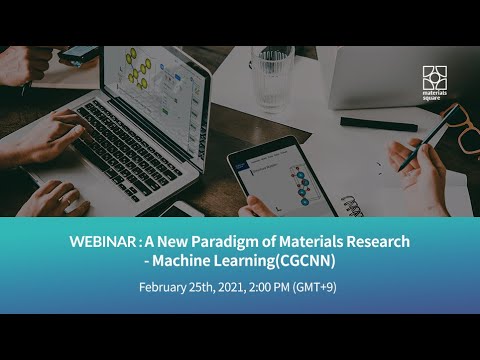
Okay, so, imagine trying to find the perfect material for a project. Like searching for a needle in a haystack, right? It can be super frustrating!
Now, what if I told you that we have some nifty tools out there that kinda change the game? Say hello to CGCNN. Sounds fancy, huh? But it’s actually like having a brilliant friend who just knows things about materials!
Basically, this awesome technology helps researchers figure out how different materials behave and which ones might be best for whatever they’re working on.
It’s like having a cheat code in a video game. You know you want to get to the boss level faster without all the grinding. So let’s unpack this cool tech and see what makes it such a game changer in material science!
Harnessing CGCNN for Advanced Materials Research: A GitHub Resource Guide
Understanding CGCNN
So, let’s talk about CGCNN, or Crystal Graph Convolutional Neural Network, which is quite the mouthful! Basically, it’s a type of neural network that helps researchers study materials at the atomic level. You know how every material has its special characteristics? Like some are super strong, while others are lightweight? Well, CGCNN lets scientists predict these properties by analyzing the arrangement of atoms. It’s like a magic lens that allows you to see how tiny changes can really affect a material’s overall behavior.
Why Is This Important?
Materials research is crucial for tons of industries. Think about it: from building better batteries to creating stronger and lighter vehicles. The thing is, traditional methods can take ages and might not always give the best results. Here’s where CGCNN comes in handy! By using data from existing materials and learning patterns from them, CGCNN can quickly predict new materials’ properties. It’s like having a supercharged calculator for scientists!
A Peek into the GitHub Resource
Now, if you’re excited to explore CGCNN further, GitHub is where you’ll want to go. There are loads of resources available that provide code snippets and pre-trained models. But before you dive in headfirst, here are some things to keep in mind:
- Documentation: Check out the README file! It usually offers an overview and guidelines on how to use the repositories effectively.
- Examples: Many repositories include example scripts that show you how to apply CGCNN in real research scenarios.
- Community Support: Engage with users in discussion forums related to specific GitHub projects; it’s a great way to learn and solve problems together.
- Citing Resources: If you use any models or code in your work, remember to check their citation guidelines!
Getting Your Hands Dirty
If you’re ready to get your hands dirty with actually using CGCNN for advanced materials research, start by cloning a repository from GitHub. After that, set up your environment—this usually means installing Python libraries like TensorFlow or PyTorch since they’re often used for deep learning tasks.
Imagine yourself running some simulations on new battery materials! You might find out that adding just a tiny bit of carbon can greatly enhance efficiency—you’d feel like you’ve discovered hidden treasure!
In case you run into issues (and let’s be real; bugs happen!), don’t hesitate to check out issues reported by other users or post your questions. That’s one awesome way communities come together!
The Future of Materials Research
The potential of using CGCNN goes beyond just predicting material properties; it’s paving the way for more sustainable practices too! For example, instead of experimenting and wasting tons of resources on trial-and-error approaches in labs—which can be really costly—you can use computational methods first.
Remember when companies transitioned from fossil fuels? This kind of innovation might make similar shifts possible in materials science as well—leading towards greener alternatives!
So if you’re itching to explore new frontiers in material science through tools like CGCNN on GitHub, go ahead—dive into those codes and start experimenting! Who knows? Your next big finding could be just around the corner!
Exploring CGCNN on GitHub: Advancements in Computational Graph Convolutional Neural Networks for Scientific Research
Well, let’s talk about CGCNN, or Crystal Graph Convolutional Neural Networks. This nifty piece of tech is making waves in the world of materials science. Basically, it’s all about using neural networks to analyze crystal structures more effectively and efficiently. You might be wondering why this matters. Well, let me break it down.
First off, traditional methods of predicting properties of materials can be pretty tedious. They often require a lot of manual input and expertise. That’s where CGCNN comes in. It simplifies the process by treating crystal structures as graphs. Each atom becomes a node in the graph, and the bonds between these atoms are the edges. This way, it can represent complex relationships much better than classic methods.
Now you might ask: how does it work? In essence, CGCNN learns from existing data about different materials and their properties. It analyzes patterns and relationships to make predictions on new materials that haven’t been tested yet. Super cool, right?
Let’s get into some specifics about what you can find on GitHub regarding CGCNN:
- Code Availability: The repository usually has open-source code allowing researchers to try out CGCNN for themselves.
- Documentation: Detailed readme files guide you through installation steps and how to use the software.
- Examples: You’ll often find example datasets that show how to run experiments effectively.
- Community Support: Users can discuss challenges or questions they have on issues or forums related to the repository.
So here’s a little story for you: there was a grad student named Alex who was stuck trying to predict the thermal conductivity of a new material he was working with. He had piles of data but couldn’t figure out how to connect all those dots—until he stumbled upon CGCNN on GitHub. With its help, he not only sped up his research but also made some groundbreaking discoveries that contributed to energy-efficient technologies! Pretty inspiring stuff!
With advancements like this, we’re really opening doors for new materials discovery that could lead to everything from better batteries to smarter electronics. And honestly? That’s exciting in so many ways.
In short, CGCNN is enhancing our ability to understand complex materials much faster than before. If you’re curious or working in this field, checking out CGCNN on GitHub could be your next big step!
Leveraging Graph Networks: A Universal Machine Learning Framework for Molecular and Crystal Structures
Alright, let’s get into this fascinating topic about graph networks and how they can be used for studying molecular and crystal structures. You know, when you look at materials, things get complex quickly. But that’s where graph networks come in handy.
So, think of molecules and crystals as a bunch of connected dots. Each dot is an atom, and the connections between them are bonds. With graph networks, we can represent these structures in a way that a computer can understand. Pretty cool, huh?
Graph networks are like the Swiss Army knives of machine learning frameworks for materials research. They can handle various types of data — like chemical properties and atomic arrangements — all wrapped up in one neat package. It’s like when you mix different colors of paint; you find new shades that you didn’t even think about before!
Now, what makes CGCNN, or Crystal Graph Convolutional Neural Networks, stand out? Well, it’s specifically designed to analyze crystal structures by using their graph representation. In simple terms, it helps predict properties like stability or electronic behavior just by looking at how atoms are connected! It’s amazing to see a computer make these predictions based on patterns it recognizes.
Let’s break down some key points:
- Graph Representation: Atoms become nodes and bonds become edges in this network.
- Convolutional Layers: These layers scan the graph to identify local structures—like how your eyes might scan a page while reading.
- Learning Patterns: Just like we learn from experiences, CGCNN learns from data about known materials to predict properties of new ones.
- Efficiency: Traditional methods could take ages— with CGCNN, computations happen faster since it’s built for this exact purpose!
Imagine being able to design a brand new material for batteries or solar panels just because you understand the relationships between atoms better than ever before. That’s what researchers hope to achieve with this technology!
And it’s not just about making things faster; it’s also about accuracy. The predictions made by graph networks have been shown to be quite reliable compared to older methods that sometimes couldn’t keep up with all the complexities involved.
You know that feeling when you finally solve a puzzle? That’s similar to what scientists experience when they apply these models to real-world problems. It could lead to breakthroughs in energy-efficient materials or stronger building components.
In summary, leveraging graph networks, particularly with tools like CGCNN for molecular and crystal structures opens up a world of possibilities in advanced material research. It’s an exciting time where science meets technology in such cool ways!
So, let’s chat about CGCNN, or Crystal Graph Convolutional Neural Networks, which is a mouthful, right? But it’s pretty interesting! You see, in the world of materials science, researchers are always on the lookout for new materials that can do amazing things — like being super strong yet lightweight or conducting electricity better than ever. That’s where CGCNN comes into play.
Picture yourself scrolling through endless recipes, trying to find the one that’ll blow your mind at dinner. You know how it feels when you finally discover that ideal combination of flavors? Well, CGCNN is kind of like that for scientists—it helps them sift through all kinds of crystal structures quickly. This tech takes the relationships between atoms and structures and maps them out in a way that traditional methods just can’t keep up with.
I remember chatting with a friend who’s a materials science PhD student. He once told me about this super cool project where he was trying to develop a new material for batteries—something more efficient and sustainable. It sounded like alchemy! The struggle came with testing dozens of compositions and properties; it’s incredibly time-consuming. When he found out about using machine learning techniques like CGCNN to predict material properties faster than traditional methods, his eyes lit up! He said it felt like finding a secret shortcut in a video game.
But here’s the deal: while CGCNN can speed things up significantly and help scientists make predictions about material properties-without having to run thousands of experiments first-it still requires some serious brainpower behind it. Researchers need to set up their models properly and interpret the results accurately; otherwise, it’s like mixing gumbo without knowing what you’re doing—you might end up with a big mess.
So yeah, harnessing CGCNN for advanced materials research isn’t just a technological marvel; it’s creating real opportunities for innovation. It helps scientists brainstorm new ideas about everything from solar panels to lightweight alloys. And who knows? Those breakthroughs could change our lives in ways we can’t even imagine yet—like making electric cars more efficient or creating longer-lasting tech gadgets!
In short, this fusion of technology and science feels almost magical; it’s an evolving journey filled with excitement and potential discoveries waiting around every corner!