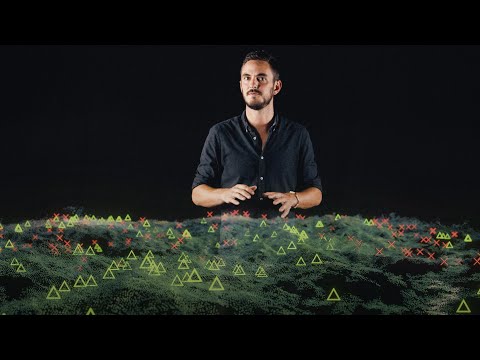
You know that feeling when you just step outside and everything feels different? Like, the colors of the trees seem richer or the birds are chirping in a whole new way? It’s kind of wild, right?
Well, that might be because nature isn’t just sitting still. It’s always changing, shifting in ways we can’t even see. Seriously! Biodiversity shifts are happening all around us, and they’re pretty fascinating.
Imagine walking through a forest one day and then coming back years later. What if your favorite tree is gone, replaced by something totally unexpected? Or maybe a new creature sets up camp in your backyard. That’s what this whole biodiversity game is about.
These changes aren’t random either. They’re often influenced by stuff like climate change, urbanization, and even our own actions. So let’s dive into what all this means and why it matters to you—and every living thing on this planet. Ready?
Exploring the Key Drivers of Biodiversity Loss: Insights from Ecological Science
Biodiversity is like the rich tapestry of life on Earth. Each thread represents different species, ecosystems, and interactions that support each other. But lately, this beautiful tapestry is starting to fray. Let’s talk about what’s driving biodiversity loss and why it matters.
First off, habitat destruction is a major player here. When humans clear forests for farms or urban development, we’re not just removing trees; we’re kicking out countless animals and plants that depend on those habitats. Think about it: when you tear down a rainforest, you might be destroying homes for thousands of species, some of which we haven’t even discovered yet!
Then there’s climate change. Rising temperatures and shifting weather patterns are like a chaotic DJ remixing nature’s playlist. Some species can adapt or move to new areas, but others can’t keep up with the changes. For example, coral reefs are bleaching at alarming rates due to warmer ocean temperatures. That means not only do the corals suffer, but so do all the marine life that call them home!
Pollution is another biggie. Chemicals from agriculture or waste products can poison ecosystems. Ever heard of “dead zones” in oceans? They happen when too many nutrients flood into water bodies—thanks to runoff—and create conditions so low in oxygen that fish and other aquatic life can’t survive.
And let’s not forget overexploitation. We often take more than what nature can replenish—like fishing too many fish from a body of water or hunting endangered animals for trophies or traditional medicine. It’s like trying to eat an entire pizza by yourself every night; eventually, there won’t be any pizza left!
Invasive species are also stowaways in this drama. When species are introduced to new environments—sometimes accidentally—they often disrupt existing ecosystems by outcompeting native species for resources or bringing new diseases with them.
So when you put these factors together, you see a picture of interconnectedness—we’re all part of this big system called Earth! If one thread breaks down due to biodiversity loss, it can lead to cascading effects on everything else.
To wrap it all up: protecting biodiversity isn’t just about saving cute animals or pretty plants; it’s about maintaining a balance that supports all life forms on our planet—including us! So next time you’re out in nature, take a moment to appreciate how everything around you connects—the plants swaying in the breeze and those little critters scurrying around all have their role in keeping this world alive and thriving!
Emerging Trends in Biodiversity Research: Insights and Implications for the Future of Science
Biodiversity is like the spice of life on our planet, you know? It’s all about the variety of plants, animals, and ecosystems that make up our world. But recently, there’s been a lot of talk about how this biodiversity is changing—sometimes in surprising ways. So let’s dig into some emerging trends in biodiversity research and what they could mean for the future.
First off, one trend that’s really grabbing attention is how species are shifting their ranges. As climate change kicks in, many animals and plants are moving to cooler areas. Picture polar bears trying to find ice in a warming Arctic or butterflies heading north because their old homes are too hot. This isn’t just a “let’s pack up and leave” situation; it can have huge implications for ecosystems and conservation efforts.
- Species Interactions: When some species move while others don’t, it messes with established relationships. For instance, if bees are buzzing around in new areas but local flowers can’t keep up, that could spell trouble for pollination. And if you think about it, those relationships are crucial for food production!
- Ecosystem Services: We depend on nature for things like clean air and water, right? Well, shifting biodiversity can impact these services too. Imagine if fish populations relocate because of temperature changes—the fishing industry could take a hit. That affects not just the economy but also food security for communities relying on those fish.
- Genetic Diversity: Here’s another kicker: as species shift or even go extinct locally, that genetic diversity takes a nosedive. Less genetic variation means less resilience against diseases or changing environments. Think of it as a tight-knit community where everyone has unique skills—if half of them leave or get sick, who knows what might go wrong?
An interesting story comes from coral reefs. These underwater wonders are facing threats from warming oceans. Some coral species are starting to adapt to higher temperatures—but not all do! Researchers are studying these ‘super corals’ that seem more resilient, hoping to use this knowledge in restoration efforts.
Another exciting angle involves Drones and Technology. High-tech tools like drones and AI help researchers monitor biodiversity from above without disturbing delicate ecosystems. They can map lush rainforests or track wildlife movements with incredible precision. It’s like giving scientists superhero powers to see what’s happening from the skies!
- Crowdsourcing Data: On top of that, citizen science is gaining traction! Anyone with a smartphone can contribute by logging sightings of different species through apps. This data helps scientists get a clearer picture of what’s going on out there—and you’re playing your part!
The implications? Well, they’re huge! If we don’t pay attention to these trends now—like proactively protecting habitats—the consequences could be dire for many species (and us!). Conservation strategies need to be flexible; adapting them based on real-time data will be key.
This journey into understanding biodiversity shifts reminds us how intertwined life really is on our planet—every little change matters. And who knows? By keeping an eye on these emerging trends today, we might just help secure a happier tomorrow for nature…and ourselves.
Comprehensive Analysis of Biodiversity Loss: A Research Paper PDF Exploring Causes, Impacts, and Solutions
You know, biodiversity loss is one of those things that kind of sneaks up on us. It’s like when you notice your favorite park is missing a few trees, or there are way fewer birds singing in the morning. That’s nature changing right before our eyes.
Biodiversity refers to the variety of life on Earth—it’s not just about the number of species but also their genetic differences and the ecosystems they make up. So, when we talk about biodiversity loss, we’re really talking about a decrease in this rich tapestry of life.
The causes? Oh man, where do I start? Here are some big ones:
- Habitat destruction: Think about it. When forests are cut down for roads or farms, animals lose their homes. This often leads to increased extinction rates.
- Climate change: Changing weather patterns can make it hard for certain species to survive. It’s like trying to live in a place that suddenly gets super hot or cold—many just can’t keep up.
- Pollution: From plastics in the oceans to chemicals in our soils, pollution affects not just individual species but entire ecosystems.
- Overexploitation: Overfishing and poaching are prime examples. When we take too much without letting nature recover, we’re pushing many species to their limits.
So what happens when biodiversity goes down? Well, firstly, it messes with ecosystem stability. Every species has its role—kind of like how players need to work together on a sports team. If one player (or species) is gone, the whole system can struggle.
But that’s not all! For us humans, less biodiversity means tougher times ahead. Our food systems depend on various crops and animal species; if we lose those options, food security becomes at risk. Also, diverse ecosystems help regulate air and water quality—losing them impacts health too.
And here’s where things get really interesting: people around the world are stepping up! Solutions abound if we look for them:
- Sustainable practices: Farming or fishing sustainably means using methods that don’t deplete resources faster than they can be replenished.
- Protected areas: Establishing national parks and reserves helps shield critical habitats from human interference.
- Biodiversity education: Schools teaching kids about the importance of nature could spark future conservationists!
- Restoration projects: Some communities actively work to restore degraded lands or repopulate lost species—like replanting native plants or working with local wildlife.
There’s this story I read about a group of volunteers who banded together after noticing fewer butterflies in their town. They started planting native flowers all over community gardens and got others excited about creating butterfly-friendly environments! Little by little, butterflies came back—and so did people’s love for nature!
So here’s the deal: biodiversity loss is serious business that affects not just animals and plants but us too! But with some effort from individuals and communities worldwide—even small actions—we can turn things around. Every little bit counts in preserving this beautiful planet we call home!
You know, biodiversity is like the ultimate ensemble cast of nature. Picture a theater full of unique performers, each playing their role in this grand play we call life. When we talk about biodiversity shifts, we’re really looking at how these performers change over time—some get more famous, others fade away, and some new stars enter the scene. The plot twists can be pretty dramatic!
I remember going on a hike a couple of years ago—it was one of those perfect sunny days where everything feels alive. As I walked along the trail, I stumbled upon this lush patch of flowers that I swear looked different from the year before. It struck me how even small changes in climate or habitat can lead to such variations in the plant and animal life around us. It made me realize that our environment is constantly remixing itself.
So what causes these shifts? Well, it’s a mix of things: climate change, habitat loss, pollution… you name it! Sometimes these factors push species to adapt or even move to new places to survive. Think about it: if the temperature rises too much for a certain tree species in one area, that tree might start “packing its bags” and looking for cooler spots. This little adventure can lead to new ecosystems forming and alter existing ones dramatically.
And honestly? This constant transformation is both incredible and terrifying. On one hand, it shows how resilient life can be; on the other hand, it reminds us that not all changes are good. Some species might not adapt quickly enough and could face extinction. It’s like watching a game where some players just can’t keep up.
You start wondering what this means for us humans too—like how we’re part of this intricate web of life but often forget our role in it. When we lose biodiversity, we’re losing more than just pretty plants and animals; we’re risking our own health and survival since nature provides so many essentials—from clean air to food.
In a way, embracing these shifts could inspire us to make better choices for our planet. If we pay attention to nature’s transformations—not just for data’s sake but because we genuinely care—maybe we’ll find ways to protect what remains while adapting alongside it ourselves.
So yeah, biodiversity shifts are more than scientific jargon; they’re like the ongoing story of life itself—full of twists and turns that impact every living thing on this planet!