So, here’s a little secret: when I was a kid, the only chemistry I really understood was the chemistry between pizza and my stomach. Seriously! But, guess what? Chemistry is way cooler than I ever thought back then.
Think about it—everything around you is made up of tiny particles called atoms. Yup, atoms! They’re like the little building blocks of life, hanging out and forming everything from water to your favorite candy bar.
And that’s where Chem4Kids comes in. It’s all about making science fun and easy to get into. You know, sparking that curiosity that’s been hiding under your bed all this time? It’s like giving kids a key to explore the magic behind how things work.
So whether it’s fizzing reactions or colorful mixtures, there’s a world of wonder waiting to be discovered. Just imagine the excitement on a kid’s face when they realize they can create a volcano with baking soda and vinegar! It’s those “aha!” moments that stick with you for life.
Chemistry isn’t just for lab coats; it’s everywhere!
Exploring Chemistry: A Fun Introduction to Science for Kids
Chemistry can seem like this big, scary word, but it’s actually all around us, making our world super interesting. When you think about it, everything from the air we breathe to the food we eat involves chemistry. It’s like a giant puzzle where tiny pieces called atoms and molecules fit together to create everything!
Okay, so let me give you a little background. You know when you mix things in the kitchen? Well, that’s chemistry in action! Like when you blend flour, sugar, and eggs to make a cake. Those ingredients are made up of different atoms. And when you mix them together and bake them, they react with heat and create something new – delicious cakey goodness! Isn’t that amazing?
Now, let’s dive into some cool facts about chemistry that might just blow your mind!
- Atoms: Think of these as the building blocks of everything. Just like LEGO bricks can be combined in different ways to make various models, atoms can join together in many different combinations.
- Molecules: When atoms bond together, they form molecules. For example, water is made up of two hydrogen atoms and one oxygen atom (H2O). That’s why it’s so vital for life!
- Elements: These are pure substances that cannot be broken down into simpler things. There are currently over 100 known elements! Each has its own unique properties.
- Chemical Reactions: This is about how substances change into new ones! Like when vinegar and baking soda mix—boom! You get fizz because they create carbon dioxide gas!
Imagine being a young scientist mixing baking soda and vinegar at home or school. That nice fizzy reaction is your first taste of chemistry magic! Experiments don’t have to be complicated; they can be fun and easy too.
Also, let’s not forget about acids and bases! These are two important types of substances you’ll encounter in chemistry class. Acids are sour (like lemons), while bases taste bitter (like baking soda). When mixed in just the right way, they neutralize each other—you guessed it—creating some pretty cool reactions.
And then there are things like Chemistry Careers. If you’re into science—you might become a chemist or even work on something like developing medicines or creating cleaner energies for our planet. Who knows? The sky’s the limit!
So remember this: Chemistry isn’t just for scientists locked away in labs; it’s all around you! From making your favorite snack to understanding why leaves change color—it just takes a little curiosity.
So next time you’re baking or doing any DIY project at home with family or friends—think about the chemistry happening right there beside you! Keep asking questions; stay curious; who knows what you’ll discover next?
Engaging Kids in Chemistry: Fun Strategies to Ignite a Passion for Science
Sure thing! Let’s talk about how to get kids excited about chemistry. It can feel a bit challenging at times, but there are some fun and creative ways to spark that passion for science in the younger crowd.
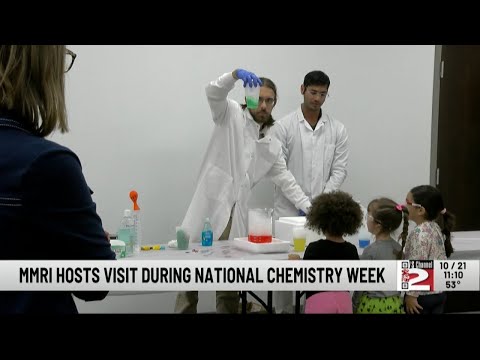
First off, make it hands-on. Kids love to touch and explore stuff. So why not bring chemistry into the kitchen? Simple experiments, like making a volcano with baking soda and vinegar, can be thrilling. They get to see fizzing and bubbling right before their eyes. You could say it’s like magic! Just imagine their excitement when they see the eruption happen.
Next up, use everyday life as an example. Chemistry isn’t just confined to labs; it’s all around us! Talk about how cooking is chemistry—the way heat changes food or how cookies rise because of baking soda or baking powder. This connection makes the subject relatable. Maybe even bake something together while explaining what’s happening in each step.
Then there’s crafting cool visuals. Kids are visual learners. Use colorful charts or even models made from LEGO bricks to represent molecules and chemical reactions. You can even go further by creating 3D structures—like molecular models that they can build themselves. It turns learning into playtime!
Another fun method is through storytelling. Create stories around scientists who made great discoveries or inventors who changed the world with their chemistry knowledge. Kids love stories! They’ll remember them better when wrapped in an exciting narrative. It’s like giving them a superhero cape but for scientists!
Involving art can also work wonders. Try mixing art projects with science, like making “liquid art” using oil and water colors or layering liquids of different densities in a clear container. Not only is this visually captivating, but it also teaches them about properties of liquids—it’s a total win-win!
Don’t forget about field trips! If possible, visit local science museums or chemistry labs where kids can see real-world applications of what they learn in class. Seeing scientists at work might just inspire them to dream bigger!
And lastly, keep communication open with kids’ questions being super important! Encourage their curiosity by letting them ask anything about what they’re learning—no question is too silly! This builds an environment where they feel safe exploring scientific concepts.
These strategies aren’t just about teaching facts; they’re all about creating memories that stick with kids long after the experiment’s over. With these approaches, you’re nurturing future chemists without even realizing it!
Engaging Young Minds: Inspiring Your Child’s Interest in Science
Getting kids excited about science can feel like a tough nut to crack. But, believe me, it’s totally possible! Just imagine the spark in their eyes when they get to mix some household ingredients and create a little explosion of color or fizz. That’s the kind of fun that sticks with them.
Hands-on Experiments are your best friend here. Kids love to touch, feel, and see things happen right before their eyes. You don’t need a fancy lab; a kitchen is just fine! Try simple experiments like mixing baking soda and vinegar for a mini volcano effect. Or how about making slime? It’s gooey, stretchy, and oh-so-satisfying!
- Storytelling can also work wonders. Talk about famous scientists and their quirky stories. Ever heard about Marie Curie, who discovered radioactivity? She was so passionate about her work that she kept her research going even in dangerous situations! Kids get inspired by real-life heroes.
- Nature walks are another great way to ignite curiosity. Pick up rocks or leaves and examine them together. Ask questions: Why is this leaf shaped like this? What do you think happens when it rains? It gets their brains whirring!
- Then there’s science-themed books. Get colorful picture books that showcase simple scientific concepts or even fun activities they can try at home. Reading together is not only great bonding time but also fuels their imagination.
- Interactive games, like apps or board games focusing on science concepts, can be super engaging! It turns learning into playtime without them even realizing it!
Cultivating a curious mindset is key too! Encourage your child to ask questions—lots of them—and help them find the answers together. If they want to know why the sky is blue or how plants grow, jump into research mode as partners in crime! This not only teaches them about science but also shows them that curiosity is something to cherish.
You know what else works? Connecting science with everyday life. When cooking dinner, talk about the chemical reactions happening in the oven or how the ingredients change during baking. Suddenly, they’re seeing science everywhere—how cool is that?
Lastly, try not to push too hard. The goal here is not just to teach but to inspire genuine interest without making it feel like schoolwork. Innovation often stems from passion; if they find joy in exploring science now, who knows where it’ll take ’em later?
Paving the way for interest in science isn’t about turning kids into mini-geniuses overnight—it’s all about igniting sparks of curiosity and letting those flames grow naturally over time.
You know, it’s pretty amazing how early interests in science can spark a lifelong passion. When I think about kids exploring chemistry, I can’t help but remember my little cousin Sam. One day, he walked into the living room wearing a lab coat he’d made out of an old white sheet. His hair was all frizzy from the static electricity experiment he just finished, and he was beaming with excitement. That moment really hit me—how cool it is to see kids getting into the nitty-gritty of science.
Chem4Kids is like this gateway for young minds. It takes complex ideas and breaks them down into bites that are easy to chew on—so to speak! Kids get to play with elements and compounds without any of the boring stuff adults might remember from school. They can learn about atoms by imagining them as tiny building blocks! Seriously, that’s so much more fun than rote memorization.
And when you dig deeper into what Chem4Kids offers, it’s not just about formulas and reactions. It’s about igniting curiosity! You got these web pages filled with colorful graphics and interactive experiments that make learning feel like a game rather than a chore. Picture young minds visualizing chemical reactions like fireworks—exploding with colors and sounds! What could be better?
But let’s be real: teaching science isn’t always smooth sailing. Sometimes you get kids who just aren’t interested or think it’s “boring.” That’s where platforms like Chem4Kids shine; they turn everyday substances—like vinegar and baking soda—into mini explosions of fun in your kitchen!
I mean, honestly, imagine if every child felt this thrill when they learned something new about the world around them? Instead of dreading those long lectures packed with dense terminology, they’d feel inspired to explore what makes our universe tick. So whether it’s through mini volcanoes or slime-making fun projects, let’s hope we see more programs like this popping up everywhere.
At the end of the day, nurturing those young minds could lead to future scientists who change the world. And isn’t that something worth cheering for?