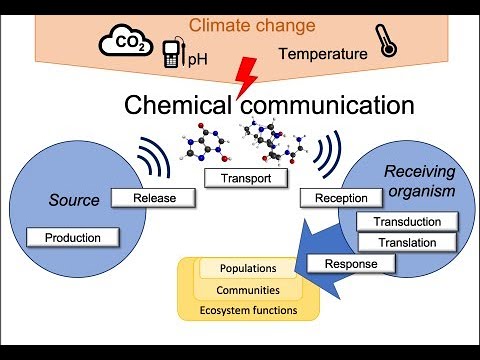
So, picture this: you’re out in the woods, right? The sun is shining, birds are chirping, and then your nose suddenly twitches. You catch a whiff of something sweet. Maybe it’s the wildflowers or that delicious berry bush nearby. But here’s the kicker—what if that smell was actually a message?
Yup, nature is like this giant chat room full of chemical signals. Seriously! Plants and animals are constantly sending out scents and flavors to communicate all sorts of things—like how to attract friends or warn others about dangers lurking around. It’s a whole world happening under our noses!
And honestly, isn’t that kind of mind-blowing? We walk through these spaces every day without realizing there’s a secret language happening all around us. So let’s dive into the wild world of chemical ecology together—it’s gonna be a trip!
Understanding Chemical Ecology: Exploring the Interactions Between Organisms and Their Chemical Environment
Chemical ecology is like the secret language of nature. It’s all about how organisms—plants, animals, fungi, and even bacteria—interact with each other and their chemical surroundings. You know, just picture a bustling city where everyone’s talking in codes and signals. That’s what I mean!
To get into it, here’s what chemical ecology really looks like:
Chemical Signals
Every living thing emits chemicals. These can be scents, toxins, or even hormones that influence behaviors or interactions. For example, when a plant gets eaten by a caterpillar, it often releases certain chemicals to signal nearby plants to prepare their defenses. Talk about teamwork!
Attracting Friends and Mates
Many organisms use chemicals to attract mates. Think of it as sending out love letters in the wind. Male moths can sense female pheromones from miles away! It’s like they have this super-powered GPS for love.
Defending Territory
Animals and plants also use chemicals to mark their territory or warn others of danger. Have you ever walked through a forest and noticed an overwhelming smell? Those strong smells might come from plants releasing volatile compounds—a way of saying “Stay away!”
Mutualistic Relationships
Sometimes different species work together using chemical signals. Take ants and aphids for example; ants protect aphids while feeding on their honeydew—a sugary substance aphids produce. The aphids release scents that signal the ants when they need help.
Biological Warfare
Chemical ecology can also get intense! Some plants develop toxins to fend off herbivores—like how certain mushrooms can be super poisonous if eaten. This chemical method of defense is crucial for survival.
The Role in Ecosystems
These interactions don’t happen in isolation either; they influence entire ecosystems! The way one species uses chemicals affects others around it, creating these intricate networks of relationships.
Overall, understanding chemical ecology uncovers the complex web of life around us. It shows how everything is interconnected through these invisible yet powerful chemical signals that guide behaviors and relationships in nature.
So next time you’re outside enjoying nature, think about all those conversations happening behind the scenes—all thanks to chemistry! Isn’t that kind of amazing?
The Crucial Role of Chemical Signals in Ecosystem Dynamics and Interactions
Alright, let’s chat about how chemical signals are like the invisible threads stitching together ecosystems. Seriously, these hidden messages are everywhere and play a massive role in how creatures interact with each other and their environment.
You know when you smell a delicious pizza from across the street? That’s basically a super simple example of chemical signaling. In nature, things get way more complex, but the idea is kind of similar. Organisms release tiny molecules into the air or soil that can be detected by others. These scents—or chemicals—can tell animals where to find food, warn them about predators, or even attract mates.
- Plant Communication: Plants are sneaky communicators too! They often release chemicals when under attack by pests. For example, a tree that’s being munchied on by insects might emit a signal that alerts nearby trees to ramp up their defenses. It’s like saying, “Hey buddies! Get ready!”
- When Animals Talk: Animals use chemical signals in all sorts of ways too! Take ants, for instance. They’re famous for laying down pheromones—these are chemical trails to lead other ants to food sources or to warn them of danger. Picture an ant disco line leading its pals right to a crumb.
- The Role of Microbes: And let’s not forget microbes! These tiny organisms are literally everywhere and they communicate through chemicals as well. Some bacteria can produce substances that inhibit competitors while others might help plants grow better.
Something really cool happens when these signals team up in an ecosystem; it creates what scientists call dynamics. This means how everything interacts and changes over time based on these chemical messages.
Think about it this way: if one species responds positively to a chemical signal from another species, it might flourish while others around could struggle or adapt differently. This back-and-forth shapes the whole ecosystem and influences biodiversity.
A fun little story: there was once an experiment where researchers found out how certain flowers would change their smell based on which pollinators were around—bees versus butterflies! Isn’t that wild? The flowers adjusted their perfume according to who they wanted to attract for reproduction!
This dynamic doesn’t just stop at plants and animals; it stretches into larger systems too. The overall health of an ecosystem can hinge on these interactions driven by chemical signals. When things go out of balance—for instance due to pollution—the whole network can be affected significantly.
You see how all these pieces fit together? Chemical signals influence not just individual species but entire ecosystems, maintaining the delicate balance necessary for life as we know it!
The next time you’re outside and notice the scents in the air or even the rustling leaves—think about those little invisible messages being sent around like tiny whispers of life connecting everything in harmony!
Understanding the Role of Chemical Factors in Ecological Systems: Impacts and Interactions
Alright, let’s get into this whole chemical ecology thing. So, we’re talking about how chemicals in the environment affect living organisms and how they interact with one another. It’s like nature’s way of communicating—through smells, toxins, and other chemical signals. Seriously, it’s pretty wild when you think about it!
You know, plants and animals use these chemicals to survive and thrive. For instance, when a plant gets eaten by a herbivore, it might start releasing certain chemicals. These are not just random! They can signal to nearby plants to bolster their defenses or even send out alarms that attract predators of those hungry herbivores. It’s like a plant version of “Hey! I need backup over here!”
But wait, there’s more! The effects of these chemicals are not just *local*. They can have broader impacts on entire ecosystems. Imagine a forest where one species of tree is constantly attacked by insects. The trees emit volatile organic compounds (VOCs), which can travel through the air for miles! This can attract more predators from far away who are eager to feast on those pesky bugs.
- Chemical communication: Organisms use chemical signals to interact with one another for mating or warning purposes.
- Toxin production: Some plants produce toxins to deter herbivores from munching on them.
- Biodiversity impacts: Changes in chemical signals can affect the biodiversity in an area by altering predator-prey dynamics.
You might be thinking: why should we care about this? Well, understanding these interactions helps us grasp how ecosystems function as a whole. For example, if a new species enters an ecosystem and disrupts those chemical signals—like bringing in different toxins or competing for resources—the balance can be seriously thrown off.
An emotional moment I remember was witnessing an event where scientists released ladybugs into an area suffering from aphid infestations caused by specific toxin-eating plants. Those ladybugs trained on similar scents flourished and started cleaning up the aphid problem! It was like watching nature’s detectives at work.
The bottom line is this: every sniff, every taste in nature has significance—each interaction is part of a larger story playing out in real-time around us. Chemical factors are vital players in shaping ecological systems and their intricate web of life.
So, imagine you’re wandering through a dense forest, feeling the crunch of leaves under your feet. Suddenly, you catch a whiff of something—maybe the sweet scent of flowers or the earthy aroma after rain. That’s nature talking to you! And that’s kind of what chemical ecology is all about; it’s like a secret language spoken among plants and animals using chemicals.
You know how sometimes when you’re in a crowded place, and someone mentions pizza, and your mouth just waters? That’s a kind of signal too! In the natural world, organisms release chemicals into their environment to communicate with each other. Plants might emit certain scents when they’re attacked by pests to attract their natural predators. It’s like calling for backup! I once saw this happen with my friend’s garden. She had these beautiful flowers, and then one day they looked kinda sad. Turns out, they were signaling distress because a bunch of bugs were munching on them.
But here’s where it gets even cooler: not only do plants have their own scent strategies, but animals do too! Take ants for example; they’re like tiny little soldiers patrolling their territory. They leave behind pheromones—these are basically their chemical messages—to mark paths or warn others about danger. I remember seeing an ant trail once while hiking—it was like they were following an invisible map!
Then there’s the ocean—ahh, the ocean! Marine organisms use chemicals for all sorts of things from attracting mates to finding food. Some fish even release toxins as a warning sign to keep predators at bay. Can you imagine if humans had that ability? Just spray some cologne that says “Stay away!”
And here we are in this human-dominated world, often overlooking these intricate interactions happening around us. Understanding chemical ecology reminds us of our connection to nature and how every little thing plays its role in this big picture. Basically, it teaches us respect for those secret signals that keep ecosystems balanced.
As we explore more into chemical ecology, we may uncover further secrets about nature that could help us solve problems—from creating sustainable agriculture practices to developing new medicines inspired by these natural compounds. Isn’t it amazing how much more there is beyond what meets the eye? Just think about all those conversations happening right under our noses!