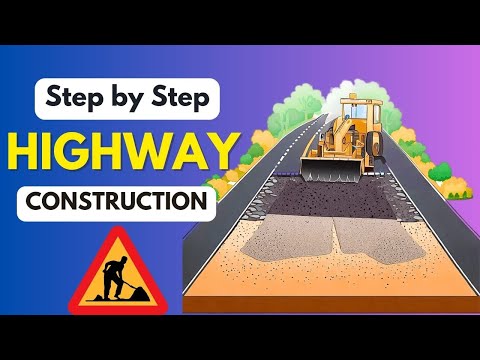
You know that feeling when you’re stuck in traffic, and you just want to scream? Picture this: a road that knows how to fix itself! Sounds like sci-fi, right? But let me tell you, civil engineering has come a long way.
Imagine roads that can heal their own cracks or are built using recycled materials. Like, seriously! These innovations are changing the game. It’s like we’re turning construction into a high-tech art form.
So, grab your hard hat and let’s dig into the cool stuff happening in road construction these days. Trust me, it’s not just about asphalt and concrete anymore—there’s a lot more going on than meets the eye!
Exploring Innovative Advancements in Civil Engineering: Pioneering Solutions for the Future of Construction and Infrastructure
Alright, let’s chat about some cool stuff happening in civil engineering, especially when it comes to modern road construction. You know how roads are like the veins of a city? They help everything move smoothly, and without them, things could get really messy. So, innovation in this field is super important!
These days, engineers are cooking up all sorts of nifty solutions to tackle the challenges we face with infrastructure. And believe me, there are quite a few! Not too long ago, I remember driving on this old road that felt like a rollercoaster ride—bumps everywhere! It made me realize how much we need better construction techniques.
One major advancement is in sustainable materials. Engineers are now using recycled materials like glass and asphalt in road construction. Imagine taking old bottles or leftover asphalt and turning it into something useful. That’s so awesome because it reduces waste and cuts down on the need for new raw materials.
- Smart Roads: These aren’t just your usual paved paths. They’re equipped with technology that can monitor traffic conditions and communicate with vehicles! It’s like giving roads a brain. For example, some roads have sensors embedded in them that detect wear and tear over time.
- Modular Construction: This method involves building sections of roads off-site before assembling them on location. It speeds up construction time significantly! Think of it as putting together a puzzle where you assemble parts beforehand instead of trying to build everything at once.
- Pervious Concrete: Ever heard of concrete that can absorb water? Yup, it exists! Pervious concrete allows rainwater to seep through the surface instead of flooding the area. It helps manage stormwater better while keeping our roads intact.
The thing is, all of these innovations aren’t just cool; they’re necessary for dealing with growing populations and climate change impacts. Remember when everyone thought electric cars were out there? Well, now they’re becoming mainstream! Similarly, smart transportation systems will transform how we think about travel.
Zoning laws can be tricky though. Cities need to adapt regulations to allow innovative solutions to take root. I once attended a town hall meeting where people debated over eco-friendly materials being used for local roads—it was wild hearing different opinions but also heartwarming seeing everyone care about their community’s future.
A big challenge is funding these innovations. But fortunately, partnerships between private companies and public sectors are becoming more common—so there’s hope! The overall goal remains clear: build efficient infrastructure that supports growth while caring for our planet.
You see? Civil engineering isn’t just about bricks and mortar; it’s an ever-evolving field filled with creativity and problem-solving spirit aimed at making life better for everyone!
Key Considerations for Civil Engineers in Roadway Design: Essential Factors and Scientific Insights
When it comes to designing roads, civil engineers have a ton of stuff to consider. Seriously, it’s not just about drawing lines on a map and paving some asphalt. There’s a whole science behind it all. So let’s break down some key considerations that can really make or break a roadway design.
First off, traffic flow is crucial. You want vehicles to move smoothly without bottlenecks or endless stoplights. Think about rush hour—it can be chaotic! Engineers often use models to predict traffic patterns and volume. This helps them figure out where to place lanes, signals, and even roundabouts to keep everything running like clockwork.
Then there’s geotechnical factors. This sounds fancy, but it really just means understanding the ground you’re building on. The soil type matters hugely! If it’s too soft or unstable, you might have serious issues down the line—like cracks in the pavement or worse. Engineers usually conduct tests to see what kind of soil they’re dealing with before breaking ground.
Another biggie is safety. It’s not just about making things pretty; it’s about keeping folks safe while they drive. Considerations include visibility at intersections, signage placement, and the use of barriers in high-traffic areas. You don’t want sudden surprises when cruising along!
Now let’s talk environmental impact. Roads can mess with ecosystems if you’re not careful. Engineers consider how construction affects local wildlife and plant life. They aim for designs that minimize disruption—like using bridges or tunnels for animals crossing under roads instead of getting flattened by cars.
Oh, and let’s not forget about sustainability. Materials used in construction are changing significantly! We’re seeing more recycled materials being used and innovative methods like permeable pavements that allow water to seep through rather than run off into drains—so cool! This helps reduce flooding and keeps water clean.
Another important factor is cost-effectiveness. Budgets are usually tight, so engineers aim for solutions that balance quality with affordability. They evaluate different materials and construction techniques to find an option that won’t break the bank but will still last for years down the line.
Lastly, there’s always the human factor—the people who actually use the roads! Engineers should think about accessibility for everyone: cyclists, pedestrians, kids walking to school…everyone! Designing sidewalks and bike lanes shows consideration for various types of road users.
In short, designing roadways isn’t just about laying asphalt; it’s a mix of science, safety measures, environmental awareness, innovation in materials—all wrapped up with a sprinkle of common sense and user-friendliness. Civil engineers really do have their work cut out for them!
Exploring Innovative Road Paving Technologies: Advancements and Impacts in Modern Engineering
Road paving might not sound like the most exciting topic, but it plays a huge role in how we get around every day. You probably don’t think too much about it when you’re cruising down the highway, right? Well, let’s dig into some of the cool advancements happening in **road paving technologies** and why they matter.
First off, there’s this new stuff called **recycled asphalt pavement (RAP)**. Basically, instead of just tearing up old roads and throwing them away, engineers are finding ways to reuse that asphalt. By recycling it, we save on materials and cut down on waste. How awesome is that? It’s like giving old roads a second chance!
Then there’s **warm mix asphalt**. Traditional asphalt needs to be super hot to work with, which isn’t just energy-hungry but can also release harmful fumes. Warm mix allows for lower temperatures during production and installation. So it’s friendlier for both workers and the environment without compromising quality.
Let’s not forget about **permeable pavement** either! This is a game changer for rainwater management. It allows water to drain through the surface rather than running off into storm drains. It’s kind of like having a sponge under your feet! This helps reduce flooding and recharge groundwater supplies.
Another interesting innovation is self-healing concrete. Sounds crazy, right? But imagine if small cracks in roads could fix themselves! There are tiny capsules filled with healing agents mixed into the concrete. When cracks form, these capsules break open and release their content to seal the gap. Pretty cool idea if you ask me!
Now think about durability for a second—nobody likes potholes! Advances in materials like **polymer-modified asphalts** make roads stronger and more resistant to wear and tear from weather changes or heavy traffic. These materials last longer than traditional methods, so less maintenance means fewer disruptions for drivers.
But here’s where it gets even cooler: some new technologies are integrating smart sensors directly into road surfaces! These sensors can monitor things like temperature and traffic flow in real-time. The data helps engineers assess road conditions faster—like knowing when it’s time to fix something before it becomes a big issue.
Even drone technology is making waves! Engineers can use drones for aerial surveys of construction sites or existing road conditions much quicker than before. They give you this bird’s eye view that helps teams plan better without all that heavy lifting.
In summary:
- Recycled asphalt pavement (RAP): Reuses old asphalt to minimize waste.
- Warm mix asphalt: Uses lower temperatures during production for eco-friendliness.
- Permeable pavement: Manages rainwater by allowing drainage through its surface.
- Self-healing concrete: Contains agents that repair cracks automatically.
- Polymer-modified asphalts: Enhance durability against wear and tear.
- Smart sensors: Monitor real-time conditions within road surfaces.
- Drones: Provide quick aerial surveys of construction sites or existing roads.
So yeah, these advancements in road paving technologies aren’t just techy buzzwords—they’re shaping safer, more sustainable transportation networks for everyone! It makes you appreciate those smooth rides even more, doesn’t it?
So, let’s chat about civil engineering and the cool stuff happening in road construction these days. You know how bumpy rides can be on some highways? Well, that’s changing. It’s like we’re treating roads with a bit more TLC, thanks to new innovations.
A while back, I took a road trip with some friends. We drove through this gorgeous mountain pass, and the views were stunning! But man, the potholes were like mini craters! It made me realize just how much our infrastructure can affect our daily experiences. Roads are more than just pavement; they connect communities and bring people together.
Now onto the good stuff! Civil engineers are really getting creative with materials. Ever heard of recycled asphalt? Yup, it’s a thing! Instead of just tossing out old roads, they’re grinding them up and using them to build new ones. Not only does this save money but it also cuts down waste and is better for the planet. Win-win!
And then there are smart roads—like, roads that can actually communicate! Some places are testing out sensors embedded in the pavement that can monitor traffic and weather conditions in real time. Imagine driving on a road that knows when it’s icy or when there’s too much traffic ahead. It could make commutes so much safer and less stressful.
Another exciting angle is sustainable design practices. Engineers are incorporating natural elements into their designs more than before. So instead of just straight lines and concrete slabs everywhere, we might see roads that blend beautifully with their surroundings—think green spaces or even wildlife corridors helping animals cross safely.
But here’s another thing to think about: with all this tech coming in, there’s also a balance to strike between innovation and the needs of everyday people who use these roads. Engineers need to think about accessibility too—making sure everyone can use these roads comfortably.
So yeah, as we move forward in civil engineering, there’s so much potential to not only improve our infrastructures but also make them kinder to our planet and community needs. It feels good to know that every time I hit the road now, there might be a bit of that thoughtful innovation beneath my tires!