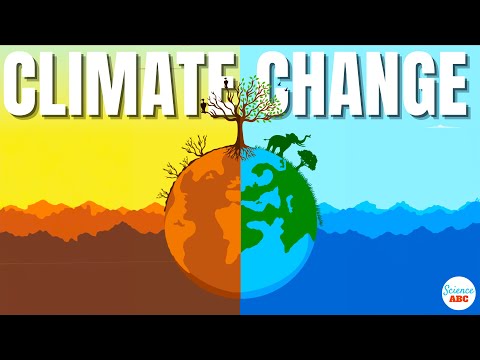
You know that moment when you step outside and it feels like Mother Nature can’t make up her mind? One day it’s sunny, and the next you’re dodging raindrops like a game of leapfrog. Funny, right? But that’s just a tiny peek into the wild world of climate science.
Here’s the thing: climate science isn’t just some boring subject for nerdy textbooks. It’s basically the detective work behind why we have those wacky weather swings. It digs deep into questions like, “What’s happening to our planet?” and “Why should I care?”
So, let’s break it down together. We’ll chat about why understanding climate is essential not just for scientists wearing lab coats but for all of us. Seriously, whether you’re sipping coffee or hanging out at the beach, this stuff affects your life way more than you might think!
The Crucial Role of Climate Science in Addressing Today’s Environmental Challenges
Climate science plays a vital role in understanding and tackling today’s environmental challenges. You might be wondering, what exactly does that mean? Well, it’s all about studying how our planet’s climate works and how it’s changing, mostly because of us humans.
You see, when we burn fossil fuels or cut down trees, we pump greenhouse gases into the atmosphere. This traps heat and leads to climate change. If you’ve ever felt super hot in the summer or noticed wildfires getting worse, that’s part of what climate science tries to explain.
- Understanding Patterns: Climate scientists study long-term weather patterns. This helps us predict future conditions. For instance, models can show us how rising temperatures might lead to more intense storms or droughts.
- Impact Assessment: They assess the effects of these changes on ecosystems and human communities alike. Think about how rising sea levels can threaten coastal cities—this info is crucial for planning and preparedness.
- Policy Development: Climate scientists provide data that shapes policies aimed at reducing emissions. When governments create plans to lessen carbon footprints, it’s often based on scientific research.
- Public Awareness: Another big part of their job is educating people like you and me about climate change. Knowledge is power! The more we know, the better choices we can make in our daily lives.
Now let me share a quick story: A few years back, I visited this little coastal town with my family. We used to catch crabs there every summer when I was a kid—so many good memories! But last time I went back, I saw hardly any crabs around anymore. Local fishermen told me that warming waters were pushing them further away from shore. It hit me; climate science isn’t just numbers and graphs—it affects real lives.
When we talk about solutions to these issues, **climate science** helps identify which actions are most effective in reducing impacts. You know those renewable energy sources like wind and solar? They’re backed by extensive research showing how they can replace fossil fuels.
Moreover, scientists are also looking into adaptation strategies. What do we do when extreme weather hits? How can farmers adjust their practices as seasons change? These questions are not just academic; they have real implications for food security and safety.
In a nutshell, without climate science guiding our way forward, we’d be stumbling in the dark regarding some of the biggest challenges facing our planet today. It lays down the facts needed for effective action—like understanding that every small effort counts toward bigger changes!
So next time you hear someone mention climate science, think about its crucial role in shaping a sustainable future for all of us!
Understanding Climate Science: Definition, Scope, and Impact on the Environment
Climate science is like the detective work of the environmental world. It digs deep into how our planet’s climate works, how it changes over time, and what all this means for living things. Basically, climate scientists study a bunch of stuff like temperature shifts, rainfall patterns, and even extreme weather events. They gather data from satellites, weather stations, and ocean buoys to get a clearer picture of what’s happening.
One big deal in climate science is understanding **climate change**. Climate change refers to long-term shifts in temperatures and weather patterns. So you might be asking: what causes these changes? Well, things like **greenhouse gases**—which are, you know, gases like carbon dioxide—trap heat in the atmosphere. Imagine wrapping yourself in a thick blanket on a hot summer day; that’s kinda what happens to our planet!
The scope of climate science is huge. It doesn’t only focus on temperature—there’s also sea-level rise, changes in wildlife habitats, and impacts on agriculture. For instance:
- Ice melt: Glaciers are shrinking worldwide due to rising temperatures.
- Extreme weather: More hurricanes and droughts are connected to climate shifts.
- Biodiversity: Many species are struggling to adapt quickly enough to survive.
So why does this matter? Well, the impact on the environment is significant. Rising temperatures can lead to catastrophic events that affect us all—from food shortages caused by failing crops to increased flooding that displaces communities. The part that gets me sometimes is seeing those places where people have lived for generations suddenly facing storms or droughts because of something as complex as global warming.
In short, understanding climate science isn’t just for scientists holed up in labs; it’s about every person on Earth! It’s essential for making informed decisions about our future and protecting our home. If we know what’s going on, we can better adapt and perhaps even slow down some of these changes.
By keeping an eye on these trends and understanding their implications—not just for today but for future generations—we can take steps towards a more sustainable lifestyle. What *you* do matters! Whether it’s reducing waste or conserving energy at home, each small action contributes to the bigger picture of fighting climate change.
So yeah, climate science plays a vital role in figuring out how we can live harmoniously with our environment while ensuring our planet remains habitable for years to come!
The Critical Role of Climate in Shaping Life: Insights from Environmental Science
The climate basically sets the stage for all life on Earth. It determines where plants grow, what animals can survive, and how ecosystems operate. You know, it’s like the ultimate director in a complex play of life.
When we talk about climate, we’re not just chatting about warm beach days or chilly winter nights. We’re talking about long-term patterns of temperature and precipitation. This is really important because different organisms thrive in distinct climates. For example, cacti are champions in dry deserts while frogs prefer moist rainforests.
Let’s break down some key points that illustrate how climate shapes life:
- Habitat Distribution: The climate influences where species can live. Think of polar bears that depend on icy habitats—without cold temperatures, well, they wouldn’t be around!
- Adaptation: Over time, species adapt to their climates. Take the example of birds—some have evolved thicker feathers for cold climates while others have lighter ones for warmer areas.
- Migration Patterns: Climate affects migration too! Birds migrate thousands of miles to find suitable environments for breeding and feeding based on seasonal changes.
- Ecosystem Dynamics: Each ecosystem has its unique balance based on climate conditions. For instance, forests and deserts support different types of plants and animals due to their distinct moisture levels.
- Biodiversity: A stable climate usually fosters rich biodiversity. Rainforests are perfect examples; they not only host tons of species but also depend on consistent rainfall to thrive.
You might think about how all these factors tie into something bigger, right? Well, they do! Changing climates can disrupt these relationships. Imagine a sudden temperature spike affecting where crops can grow or altering animal migration routes—this stuff really matters!
And here’s an emotional angle you could relate to: remember a time when you experienced a sudden shift in weather? Maybe your beach trip got rained out or you had to bundle up unexpectedly during what should’ve been a nice fall day. That feeling shows how vital stable climate patterns are—not just for us but for countless species relying on predictability.
In short, our climate isn’t just background noise; it’s the very fabric that helps create and sustain life around us. Environmental science plays a critical role in understanding these dynamics as it digs into how shifts in our climate affect everything from tiny insects to massive ecosystems. Basically, keeping an eye on our changing climate is crucial for the future of life itself!
You know, climate science has become such a big part of our lives lately, hasn’t it? I mean, just the other day, I was chatting with my friend who lives near the coast. She was telling me how she used to play on the beach every summer as a kid—building sandcastles like there was no tomorrow. But now, rising sea levels are eroding that very beach. It’s just heartbreaking to see how things can change so fast.
So, what’s climate science all about? Well, it’s basically the study of how our planet’s atmosphere works and how human actions impact that delicate balance. Think of it as giving us the tools to understand what’s happening with our weather patterns and temperatures—like a big cosmic detective investigation! These scientists look at everything from greenhouse gases to ocean currents and pretty much connect the dots on how all these different factors work together.
The cool part is that climate science isn’t just some nerdy topic limited to academia; it really affects everyone. Like, when you hear about extreme weather events—hurricanes, heatwaves, wildfires—it’s often climate science that helps explain why they’re happening more frequently or with greater intensity. You start realizing this stuff isn’t isolated. It has real consequences for communities, economies, and ecosystems.
And here’s where it gets super important: understanding climate science helps us make better decisions. It pushes governments toward meaningful policies and can inspire individuals to adopt more sustainable habits. Remember that moment when we all started wearing masks during those early pandemic days? We adapted quickly because we understood the risks. It’s kind of like that but on a global scale; we can adjust our lifestyles and choices when we grasp how serious things are.
But honestly? Sometimes it feels overwhelming. With all this information flying around—from social media posts to news articles—it can be hard to know who or what to believe. You might find yourself thinking: am I making a difference? That’s totally normal! Just remember that every action counts—even small ones like recycling or reducing plastic use add up.
In essence, climate science is this incredible lens through which we can view the future of our planet. It reminds us that while we’re all part of this bigger picture called Earth, we each have a role in keeping it healthy for generations to come. So yeah, let’s keep learning about it—even if it’s just little bits here and there—so we can stay informed and maybe do something good for our world!