You know, I once tried to explain DNA to my little cousin. Picture this: me, waving my arms around, talking about “coding” and “non-coding” stuff while he nodded like he understood. But honestly? It was like trying to teach a cat to fetch.
Anyway, here’s the scoop: our DNA is kind of like an instruction manual for our bodies. But get this—only a small part actually tells our cells what to do. The rest? Turns out most of it just hangs around doing who knows what!
Curious, right? So let’s take a stroll through the coding and non-coding strands in genetic research together. You might find it way more fascinating than you ever thought!
Understanding the Coding Strand in Genetics: Key Concepts and Implications in Molecular Biology
The world of genetics can feel a bit like diving into a maze, right? And at the center of this maze is the concept of the **coding strand** in DNA. So, what’s that all about? When we talk about the coding strand, we’re really referring to one of the two strands in our DNA that contains the actual information needed to make proteins. Yeah, proteins—the building blocks of life!
Now let’s break it down some more. DNA has two strands twisted together, and they are called complementary strands. One is the coding strand, and the other is called the non-coding strand. The cool thing is that these strands run in opposite directions—imagine them as two roads that go parallel but never touch each other.
So why does this matter? Well, when your cells want to make proteins, they read the coding strand as a blueprint. This process starts with transcription, where an enzyme called RNA polymerase comes along and makes a copy of that coding information into messenger RNA (mRNA). This mRNA then travels out of the nucleus and into the cytoplasm where it gets translated into a protein. Pretty amazing stuff!
Let’s put this in another way: picture yourself baking a cake using a recipe. The recipe you follow is like your coding strand—it tells you exactly what steps to take and what ingredients to mix. If you didn’t have that recipe (or if it was all jumbled up), well—good luck getting anything edible out of your kitchen!
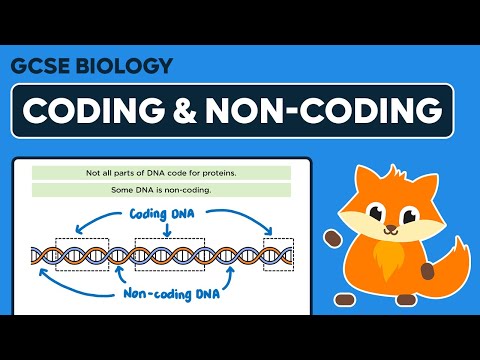
But here’s something interesting: not all parts of DNA are about making proteins. Some regions are non-coding; they don’t provide instructions for proteins but can play roles in regulation or even structure. Think of these as extra notes or annotations in your recipe book—helpful information but not part of the actual cake-making.
Here are some key points on coding vs non-coding strands:
- The **coding strand** carries genetic information for protein synthesis.
- The **non-coding strand** holds regulatory elements or may be involved in other functions.
- Transcription takes place using mRNA derived from the coding strand.
- Understanding these strands helps us comprehend genetic disorders and diseases.
And let’s not forget about how critical this understanding is for things like genetic research or therapies! Scientists use knowledge about coding and non-coding DNA to develop new treatments or even gene therapies for various conditions.
Like when I learned once about a friend whose sister had cystic fibrosis—a tough condition caused by mutations in a gene found on those very strands! Researchers have been working hard on fixing those mutations or even finding new ways to help manage symptoms by targeting specific areas within those strands.
So yeah, understanding both these types of strands gives scientists tools to better navigate genetic medicine and make strides against diseases we still struggle with today! It’s fascinating how intricate our genes are while also being so pivotal for our health and development!
Unlocking the Mystery of Non-Coding Genes: Their Role and Significance in Modern Science
So, let’s break down something really interesting that’s been buzzing around genetic research lately: non-coding genes. You might be thinking, “Wait, aren’t genes just those things that tell our bodies how to work?” Well, kind of! But there’s more to the story than just the coding genes you might’ve heard about.
First off, **coding genes** are like the stars of the show. They contain instructions for making proteins, which are super important for pretty much everything that happens in our bodies. But then we have these other guys called **non-coding genes**. They don’t have instructions for proteins but are still crucial in so many ways, and their significance is only just starting to catch up with that of coding genes.
Non-coding genes actually make up a big chunk of our DNA—like around 98% of it! Crazy, right? It’s like having a huge book where most of the pages don’t even have text; instead, they’ve got helpful notes in the margins. These non-coding regions can produce various types of RNA molecules that play different roles in gene regulation and expression.
And check this out: some non-coding RNAs are involved in regulating how much protein gets made from coding genes. This means they act like on-off switches or dimmers for gene activity. So when you hear someone say that non-coding genes are “just junk,” you can roll your eyes and say, “Not really!”
Here are a few key points about their role and significance:
- Gene regulation: Non-coding RNAs help control when and where certain genes are turned on or off. This is super important during development when cells need to specialize.
- Disease association: Some studies link mutations in non-coding regions to diseases like cancer or heart disease. Understanding these links can lead to new treatments.
- Evolutionary insights: Since non-coding DNA is less constrained by the same survival-of-the-fittest rules as coding DNA, it can provide clues about evolutionary changes over time.
So why should you care? Well, imagine if we could figure out exactly what these non-coding regions do! It could change how we approach genetic diseases or even improve our understanding of complex traits like intelligence or behavior.
Let me tell you a quick story: I remember talking with a friend whose family had a history of certain health issues—heart problems and diabetes running in generations. When researchers started looking into **non-coding genetics**, suddenly there was hope! They found specific pieces of non-coding DNA linked to those conditions that could lead to better preventative measures or treatments down the road.
In short, while coding genes often grab all the attention because they’re directly tied to proteins and functions in our bodies, don’t forget about their silent partners—the non-coding genes—they’re doing a ton behind the scenes! The more we understand them today, the better equipped we’ll be for tackling health challenges tomorrow.
Exploring Coding and Non-Coding RNA: Key Examples and Their Roles in Molecular Biology
Sure! Let’s jump into the fascinating world of coding and non-coding RNA. It’s a pretty cool topic that can seem super complex at first, but I promise to break it down in a way that’s easy to grasp.
Coding RNA is all about the genes that actually produce proteins. So think of it this way: if DNA is like a cookbook, then coding RNA is one of the recipes. When your cells read this recipe, they whip up proteins that do all kinds of jobs in your body. These proteins can help with everything from building muscle to fighting off infections.
In contrast, non-coding RNA might sound like it doesn’t do much, but that’s far from the truth! This type of RNA doesn’t get translated into proteins, yet it plays some crucial roles in regulating how genes are expressed. Picture it as your sous chef – making sure things run smoothly even though it’s not directly cooking.
Here are some key examples to highlight their differences:
- mRNA (messenger RNA): This is the star of coding RNA! It’s synthesized from DNA and carries the genetic instructions to ribosomes for protein production.
- tRNA (transfer RNA): This helps bring amino acids to ribosomes during protein synthesis. Think of it as a delivery service for building blocks!
- rRNA (ribosomal RNA): Found in ribosomes themselves, rRNA plays a structural role and also helps catalyze protein synthesis.
- miRNA (microRNA): A type of non-coding RNA that regulates gene expression by binding to mRNA molecules and preventing them from being translated into proteins.
- siRNA (small interfering RNA): Similar to miRNA but often involved in defending against viral infections or regulating other RNAs by slicing them up!
The interaction between these types of RNA can be likened to teamwork in a kitchen. Each member contributes differently but essential for creating a successful dish—or in this case, working cell processes!
Now let’s talk about something really intriguing—how these RNAs affect research and medicine. Understanding coding and non-coding RNAs can lead scientists down exciting paths when they’re looking at diseases like cancer or diabetes. For example, certain miRNAs might be found in high amounts in tumor cells compared to normal cells. Tracking these changes could open doors for early diagnosis or targeted treatments—a real game changer!
So basically, both coding and non-coding RNAs play huge roles inside our cells. They’re not just different types; they’re part of a delicate balance that keeps our biological systems running smoothly.
Researching these strands is like exploring an intricate web where each thread has its own story but also affects others around it. And who knows? As we dig deeper into this molecular biology rabbit hole, we might uncover even more surprises waiting just around the corner!
You know, when you think about genetics, it can get super complex, but it’s also really interesting. I remember the first time I learned about DNA—how it’s like this twisted ladder with rungs made up of bases. It was mind-blowing! But then I found out there are coding and non-coding strands, and that just added another layer to the puzzle.
Coding strands are like the stars of the show; they’re the ones that actually have the instructions for making proteins. These proteins are basically the building blocks of life. It’s almost poetic how a sequence of nucleotides—that is, those tiny units in your DNA—can dictate everything from eye color to how your body fights diseases. Pretty cool, huh? You can think of them as little chefs in a kitchen preparing all sorts of dishes that keep our bodies running smoothly.
But here comes the twist: non-coding strands seem to hang out in the background, like extras in a movie. And yet, they’re not just sitting there doing nothing! They’ve got roles that are just as crucial but less understood. They can help regulate when and how much protein gets made. Imagine them as directors behind the scenes making sure everything goes according to plan. Sometimes they even “talk” to other bits of DNA or RNA to keep things balanced—that’s some serious teamwork!
What really blows my mind is how research keeps uncovering more about these non-coding sections. Scientists are finding links between them and various diseases; it turns out these once thought “junk” sequences might hold the keys to understanding stuff we never knew before. Just last week, I read about a study showing how certain non-coding RNAs could influence cancer development. It’s these kinds of findings that make you realize every part of our genetic makeup could have a purpose—you know?
So yeah, while coding strands get most of the glory for their direct role in protein synthesis, those non-coding ones deserve some appreciation too! The dance between them adds layers to our understanding of genetics and reminds us there’s still so much left to explore. It’s like peeling an onion; every layer reveals something new and sometimes even makes you teary-eyed with awe!