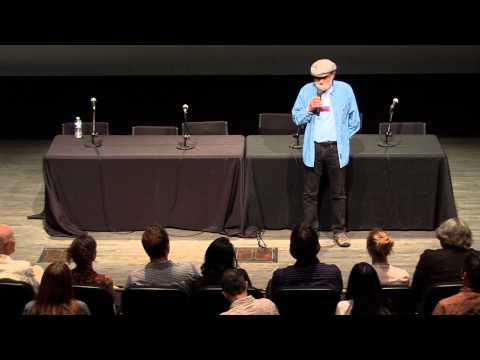
So, picture this: you’re at a party, right? Everyone’s chatting away, drinks in hand. Then someone starts talking about a scientific study and suddenly, it’s like they’ve flipped a switch. Eyes glaze over. People start looking for the chips. Why is that?
That’s where cognitive sociology struts in like a superhero wearing glasses instead of a cape. Seriously! It’s all about understanding how our brains work when we communicate ideas—especially scientific ones. You know how sometimes you hear something and it just clicks? Other times, it feels like you’re being lectured by someone who’s way too into their own research?
Cognitive sociology digs into all that! It helps us figure out what makes people connect with or tune out from information. Let’s face it: good communication can make or break science in everyday life. And honestly, who doesn’t want to make science more relatable?
Understanding Cognitive Sociology: Exploring the Intersection of Mind and Society in Scientific Inquiry
Cognitive sociology is all about how our minds interact with the society around us. You know, it’s like when you’re at a party and you overhear conversations. Those words shape how you think and feel, right? Well, cognitive sociology digs into that connection between our thoughts and the cultural contexts we live in.
At its core, cognitive sociology studies how social factors influence our mental processes. Imagine you’re part of a group that’s discussing an important issue. Your opinions might change depending on who’s speaking or the vibe of the conversation. This is where cognitive sociology shines—it looks at these influences and helps us understand why we think the way we do in different situations.
One major piece of this puzzle is **collective memory**. This means how groups remember events together and how those memories shape their identity. For instance, if a community shares stories about an event, like a natural disaster or a historical moment, it impacts how they view each other and their place in society. It’s super fascinating because it shows that memory isn’t just individual; it’s something we create as a group.
The role of language can’t be overlooked either. Language isn’t just about communication; it shapes our thinking too! Consider this: different languages have unique structures that can influence how speakers perceive time or space. For example, some cultures might describe directions using cardinal points (like north or south) instead of left or right. Isn’t that wild? This linguistic approach highlights that our understanding isn’t universal but shaped by our social environment.
In terms of scientific inquiry, cognitive sociology plays an important role in scientific communication. How researchers present information affects public understanding and acceptance of science. Think about climate change discussions; the way scientists frame their messages can either amplify fears or instill hope for solutions—huge difference!
Also, cognitive sociology encourages scientists to consider audience perspective. When researchers understand the social context of their audience—like what they value or fear—they can communicate more effectively. So if you’re presenting complex data about health issues to a community worried about access to care, tailoring your message makes all the difference.
And then there’s sociocognitive factors, which are all those things like biases and stereotypes that affect our thinking patterns within societal contexts. They can create barriers to understanding scientific concepts too! For example, if someone believes certain health advice comes from “experts” who don’t reflect their community’s experiences, they might ignore it altogether.
So yeah, when it comes down to studying cognition within a sociological frame, there’s so much to unpack! Cognitive sociology not only helps us see how our minds work but also offers insights into better communication strategies in science—ultimately bridging gaps between knowledge and society.
The cool part? By exploring these intersections further, we’ve got the potential for richer dialogues around science-related topics and policies that matter most to people today!
Exploring Cognitive Science and Communication Theory: Understanding Human Thought and Interaction in the Scientific Landscape
Cognitive science and communication theory are like peanut butter and jelly—they go together perfectly to help us understand how we think and interact. So, let’s break it down a bit.
First off, cognitive science is about studying how our minds work. It looks into thought processes, memory, and even how we perceive the world around us. Imagine you’re trying to remember your friend’s birthday party. Your brain pulls up past memories, maybe even what kind of cake they had. That’s cognition in action!
Now, when we talk about communication theory, we’re diving into how people share messages with one another. It involves everything from body language to the actual words we speak or write. Like when you’re excited about something—your tone gets higher, your face lights up—a lot goes on beyond just the words you say.
Okay, so where does cognitive sociology fit in all of this? Well, it’s like looking at the bigger picture of how society influences our thinking and communication styles. The way you understand a conversation might change depending on your cultural background or social context. For instance:
- Social norms: In some cultures, making direct eye contact shows confidence, while in others it might be considered rude.
- Language differences: If you’re speaking two languages fluently, there are times when one language fits a situation better than the other.
- Shared experiences: Think about inside jokes among friends; those shared moments give depth to your communications that outsiders might not get.
This is where it gets interesting! Communication isn’t just about sending messages; it’s also about receiving them and processing them in that big ol’ brain of yours. Have you ever been in a group conversation where someone misunderstood a joke? Sometimes it’s not just the joke but the context around it that makes all the difference.
Now let’s talk science—the field of scientific communication really benefits from these insights. When researchers share their findings with the public or even with each other, they have to consider:
- The audience: Who are they talking to? Scientists have different vocabularies than average folks!
- The medium: A tweet is very different from a journal article; each format has its own strengths.
- The clarity of message: If they use too much jargon without explanation, people might tune out completely.
For example, if a scientist wants to explain climate change effects on polar bears but uses complex stats without simplifying them first—will anyone get what they mean? Probably not!
In sum, understanding human thought through cognitive science helps improve communication strategies across various platforms. Think of it this way: by grasping how our brains function socially and cognitively, scientists can craft clearer messages that resonate better with everybody.
So next time you see a scientific article or hear someone discussing big ideas over coffee—remember the dance between cognition and communication! They’re both essential parts of human interaction that shape not only conversations but also understanding in our ever-evolving scientific landscape.
Exploring the Interconnection Between Sociology and Communication in Scientific Inquiry
So, let’s talk about the cool ways sociology and communication team up in scientific inquiry, particularly in the realm of cognitive sociology. First off, you might be wondering what cognitive sociology even is. Basically, it’s the study of how our social world shapes the way we think. It’s not just about individuals but how our interactions and environments influence our mental processes.
Now, when scientists conduct research, they often rely on communication to share their findings. This is where sociology steps in. Understanding social contexts helps scientists tailor their messages to different audiences. Think about it: if you’re trying to convince a bunch of kids to care about climate change, you wouldn’t use technical jargon like you would with other researchers.
- The Role of Language: The language scientists choose can change how people perceive their work. If researchers use simpler terms or relatable metaphors, it can make complex ideas more accessible.
- Cultural Influences: Different cultures interpret information differently. For instance, in some cultures, collective experience is valued over individual achievement. This means that scientists need to consider cultural backgrounds when they present their research.
- Feedback Loops: Communication isn’t just one-way. It’s an ongoing process! When the public engages with scientific work—whether by sharing on social media or participating in community discussions—scientists get feedback that might reshape ongoing research.
An example? Imagine a scientist studying mental health issues in urban settings. That researcher needs to understand the community’s values and norms—like how stigma around mental health varies across different groups—to effectively communicate solutions and engage with local populations.
This whole interplay between sociology and communication is crucial for promoting science literacy too! You want people not just to hear scientific facts but to relate them to their own lives. When a scientist connects a study about pollution directly to health impacts seen in a local neighborhood? That’s powerful!
If we look at news articles that report on scientific studies, we notice how reporters often frame stories based on societal values or fears; for instance, presenting genetic engineering breakthroughs can raise concerns or excitement depending on societal attitudes towards technology.
This relationship isn’t without challenges though! Sometimes scientists struggle with misinterpretations of their work due to cultural differences or communication gaps. It’s up to both sociologists and communicators to bridge these gaps and foster clearer understanding between science and society.
The dynamic between sociology and communication not only enhances scientific inquiry but also helps create a more informed public—all while making science feel more relevant and engaging!
You know, it’s kinda interesting how we often think about science as this, like, rigid structure full of facts and equations. But when you dig a little deeper, you find this really cool layer of how people interact with those facts. That’s where cognitive sociology comes in. Basically, it’s all about how our thoughts, beliefs, and social contexts shape our understanding of scientific ideas.
Imagine sitting on a park bench with your friend who just learned about climate change. They’re super passionate but maybe confused about the science behind it. You hear them mix up concepts or use phrases that don’t quite fit. It’s not that they aren’t smart; it’s just that their worldview and social influences affect what they take away from what they read or hear. Like that time I tried to explain quantum physics to my grandma—bless her heart—she nodded along but was clearly lost. I felt frustrated for a second but then realized we were just coming from different places.
Cognitive sociology digs into these moments and shows us how people interpret information based on their backgrounds, experiences, and even emotions! It’s fascinating because scientific communication isn’t just about throwing data at someone and hoping they get it; it’s about connecting with them where they are. If scientists want to reach folks outside their bubble—like the skeptical uncle at family gatherings—they need to understand the social factors at play.
That’s why some scientists are starting to embrace storytelling or visual aids instead of drowning people in charts and numbers. It feels relatable! You know? They’re basically saying: “Hey, let’s chat about this over coffee instead of making it feel like a lecture.” And honestly, who wouldn’t rather have a chill conversation than sit through another stats-heavy presentation?
Now think about public health messages during something like a pandemic. If the message doesn’t resonate or factor in people’s fears and cultural backgrounds, there could be all sorts of misunderstandings flying around—like why some communities might be hesitant to get vaccinated.
So yeah, cognitive sociology teaches us that communication isn’t one-size-fits-all. It’s dynamic, shifting depending on the audience’s mindset and context. By blending scientific rigor with an understanding of human behavior, we create space for meaningful conversations around science that might inspire curiosity instead of confusion!