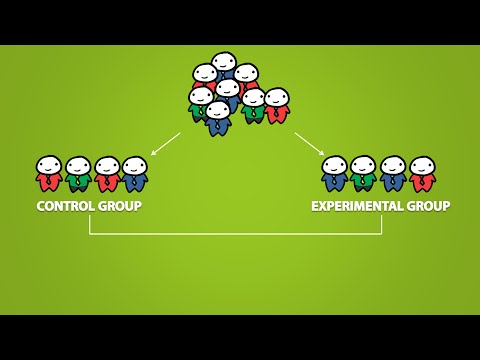
You know that feeling when you try something new, like a weird flavor of ice cream, and you’re not sure if it’s good or just… different? Imagine being in a lab, testing out a brand new therapy or treatment, and trying to figure out if it really works.
That’s where control groups come into play! They’re like the taste testers of psychological research. You want to know if your mint-chocolate-chip idea is actually cool or if it’s just plain weird.
Without control groups, it’d be tough to say what really made a difference. Were people happier because of the therapy, or was it just the sunshine outside? That’s why these little groups are super important! They help us see the full picture and make sense of all that brainy stuff. So, let’s unpack this together!
Understanding the Role of Control Groups in Psychological Research: A Key Component of Scientific Methodology
Understanding Control Groups in Psychological Research
Alright, so let’s break this down. Control groups are sort of the unsung heroes of psychological research. They help researchers figure out what’s really going on in an experiment. Basically, when you run a study to see how people respond to different conditions, you need a way to compare responses effectively.
Imagine you’re testing a new therapy for anxiety. You might have one group of participants who actually receive the therapy and another group that doesn’t get anything—this second group is your control group. With this setup, you can see how much of any change is due to the therapy itself versus other factors like expectations or natural fluctuations in anxiety levels.
Why Use Control Groups?
You might be asking yourself, “What’s the big deal?” Well, the thing is, without a control group, it becomes super tricky to determine if your results are valid. Here are some key reasons why they matter:
- Establishing Baselines: Control groups provide a benchmark. When you compare your experimental group against them, it helps clarify if the changes observed are due to the treatment.
- Minimizing Bias: They help reduce bias and confounding variables that could mess up your results. It’s like having a backup singer to keep everything melodious.
- Enhancing Credibility: Including control groups strengthens your findings and makes them more trustworthy—like having solid proof when you tell someone about your awesome day!
The Placebo Effect
Let’s chat about something called the placebo effect; it’s pretty interesting! This happens when people experience real changes because they believe they’re getting treatment—even if they’re not! In our anxiety therapy example, some folks in the control group might feel better just because they think they’re part of something important.
Researchers account for this effect by comparing both groups—those who got real treatment and those who didn’t. By seeing how each group fares, scientists can understand what impact (if any) the therapy has versus just expecting it to work.
Diving Deeper into Design
Not all control groups are created equal! Sometimes researchers use randomized controlled trials, where participants are randomly assigned to either the experimental or control group. This method helps ensure that any differences between groups aren’t simply down to luck or demographics.
But wait – there’s more! There can also be placebo-controlled groups, where participants receive fake treatment along with those receiving real treatment. This setup is particularly useful when studying things like medications or therapies because it helps ensure there’s no overestimation of effectiveness.
Anecdote Time!
I remember reading about this study on kids with ADHD testing a new medication versus a placebo. The researchers were blown away by how many kids in both groups showed improvement! It made them realize just how powerful belief can be—and reinforced their need for solid control measures in future studies!
So yeah, including control groups isn’t just some checkbox on an experiment checklist; it’s crucial for teasing apart what’s legit from what might just be coincidence or expectation. In psychological research especially, where minds and emotions come into play, these guys make all the difference in getting genuinely reliable results!
Understanding the Major Purpose of Controls in Scientific Research
So, let’s chat about control groups in scientific research. You know, those unsung heroes of experiments that sometimes get overshadowed by the flashy experimental groups? Seriously, they’re like the quiet sidekicks in a superhero movie—totally essential!
First off, what’s a control group? In simple terms, it’s a group that doesn’t receive the treatment or condition being tested. Instead, it stays the same while we investigate how a particular variable affects another group. Think of it like this: if you’re testing a new study method on students, your control group would be those who stick to their usual way of studying.
The main purpose of controls is to provide a baseline for comparison. This way, when researchers find results in the experimental group, they can check if those outcomes are actually due to the treatment—or just because things would have happened anyway. It helps cut through all that noise and confusion.
Now let’s break it down into some key points:
- Minimizes confounding variables: Control groups help ensure that other factors don’t mess with the results. Imagine trying out a new diet—if you’re not controlling for exercise or sleep patterns, how can you say it was just the diet responsible for any weight loss?
- Increases reliability: When researchers can compare their results with a control group, they can be more confident in their findings. It’s like having someone else back you up when telling a story—you feel more secure!
- Helps establish causation: A control group allows scientists to figure out if one thing actually causes another. So if you’re looking at whether yoga reduces anxiety levels, you’d want to compare those practicing yoga to those who aren’t doing anything at all.
- Encourages objectivity: Because control groups help reduce bias and are set up beforehand, findings are based on solid data rather than just gut feelings or assumptions.
Let’s throw in an emotional angle here—think about how much pressure researchers feel when they’re looking for answers to tough questions! For instance, consider psychologists studying how therapy impacts depression. Without a solid control group of individuals who don’t receive therapy but may still be dealing with depression symptoms, any conclusions could end up being misleading or skewed.
Anecdote time! There was this study I came across where researchers wanted to see if listening to music during study sessions improved test scores among college students. They divided them into two groups: one listened to music while studying (the experimental group) and one studied in silence (the control group). By comparing scores from both groups after tests were completed, they discovered that music did boost scores! But without that quiet crew studying away in silence for comparison, they couldn’t have reached such reliable conclusions.
To wrap this up—using controls isn’t just an academic formality; it’s crucial for valid research that leads us closer to understanding human behavior and other phenomena better! The next time you hear about an experiment with its heel digging deep into controls or control groups remember: those are foundational pieces keeping everything grounded amidst the chaos of discovery!
Understanding the Role of Control Groups in Scientific Research: Purpose and Importance
Sure, let’s break down the role of control groups in scientific research, especially in psychology, shall we?
Control groups are like anchors in the wild sea of experiments. They help researchers figure out if a treatment really does anything or if what they see is just some random wave. You can think of it this way: when you’re testing a new medicine, you want to know if it actually works or if people get better just because they believe they will.
The purpose of a control group is pretty clear. It serves as a baseline for comparison against the group that gets the treatment. Let’s say you’re studying a new therapy for anxiety. One group gets the therapy (the experimental group), while another group (the control group) doesn’t—the control group might even get a placebo, which is basically just fake treatment. This way, when you compare results later, you can see if the therapy made a real difference or if improvements are just due to other factors.
Now, here’s where it gets interesting. Without control groups, researchers might jump to conclusions like kids on Christmas morning. They might think their therapy helped when really it didn’t make much difference at all! For example, let’s say both groups showed improvement—without that control group, it’d be tricky to tell whether it was the therapy or something else entirely like better weather or more sleep.
Also, randomization plays an essential role here. It means that participants are assigned to either the experimental or control group randomly. This helps avoid bias—like having all the anxious people in one group and all the calm folks in another. You see? Randomization helps ensure that any differences you observe later are actually because of your treatment and not just who ended up where!
Consider psychological studies; they often deal with subjective experiences like feelings or thoughts—super tricky stuff to measure! Control groups assist scientists in controlling for **confounding variables** (these are outside influences that can skew results). Think about stress levels during an experiment; maybe one group’s environment was noisier than another’s. By having a well-defined control group with similar conditions but no intervention, researchers can hold those factors steady.
Another important point is replicability; this is about being able to repeat studies and have similar outcomes each time. Control groups help establish solid evidence over time. If different researchers can use similar designs with control groups and saw consistent results—bam! You’ve got something strong.
In sum, without control groups—seriously—it’d be like sailing without a compass! They provide context and clarity needed for understanding whether what we see in research truly reflects reality or not. So next time you hear about a scientific study claiming success of some kind of intervention? Just ask: “Was there a control group?” That simple question could reveal so much about how reliable those findings actually are!
Alright, let’s chat about control groups in psychological research. You know how sometimes you hear about these studies that seem to say something groundbreaking about human behavior? Well, a lot of that magic happens behind the scenes, especially with control groups.
So, picture this: you’re at a party, and someone brings two dishes to share—one’s a spicy taco dip and the other is just plain old bean dip. Everyone’s raving about the taco dip, but how do you really know it’s better if you don’t have anything to compare it to? That’s where our good friends, control groups come in.
In psychology, researchers want to test out theories or new treatments. They set up experiments where one group gets the treatment (let’s call them the “experimental group”), while another group doesn’t get anything extra—they just chill (this is the “control group”). By comparing these two groups, scientists can see if the treatment had an actual effect or if people were just responding because they thought they got something special. It’s like that moment when you realize everyone is just hyped up on excitement rather than flavor.
I remember reading an article once about a study involving kids and video games. The researchers wanted to see if playing prosocial games (you know, those that promote kindness) would change how kids interacted with each other. They had one group play these games and another play neutral ones without any prosocial themes. The difference was fascinating! But it wouldn’t have been nearly as impactful without that control group for comparison.
You get tested results from the experimental side of things—like changes in behavior or mood—but those changes could be pretty misleading without knowing what happens in the control group too. Like someone claiming they feel happier because they’ve started some new meditation routine—but maybe they were always feeling good due to other life factors!
That’s why control groups are crucial for ensuring that research findings are valid. They help rule out other explanations and give us confidence that what we’re seeing is real and not just random chance or placebo effects.
So next time you hear about some study claiming humans are wired this way or that way, remember all that hard work going on behind the scenes with those control groups making sure it’s not all fluff. It’s pretty neat when you think about it—scientific honesty at its best!