So, picture this: you’re at the zoo, and there’s a mouse running around. Not just any mouse—a genetically altered one that’s helping researchers unlock the mysteries of DNA. Wild, right?
CRISPR technology has opened up a whole new world of possibilities in genetic research. Think of it as a high-tech pair of scissors that can snip away faulty genes and make better versions. Seriously! It’s like giving a mouse a makeover, but for real.
These little critters are stepping up to the plate in labs everywhere, becoming MVPs in experiments that could change medicine forever. And who knew tiny mice could hold so much power? Let me take you through how they’re shaking things up in the world of genetics!
Exploring the Key Role of CRISPR in Advancing Genetic Research
So, CRISPR, huh? You’ve probably heard that name floating around a lot lately. It’s kind of a big deal in genetic research. Let’s unpack this together and see why it’s making waves, especially when it comes to those little lab stars known as CRISPR mice.
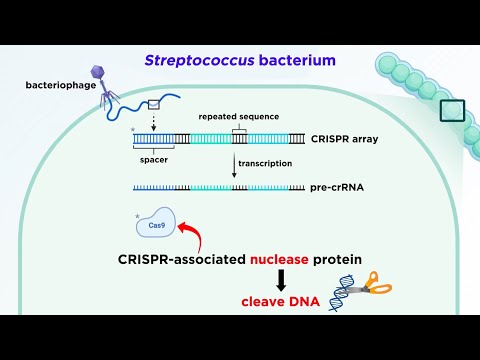
First off, what the heck is CRISPR? Well, it stands for “Clustered Regularly Interspaced Short Palindromic Repeats.” I know, mouthful, right? But think of it like a high-tech pair of scissors for DNA. Scientists can use it to edit genes—like changing a few words in a sentence—only here we’re talking about the instructions for life itself! This editing tool has totally changed how researchers approach genetic problems.
Now, onto the CRISPR mice. These little critters are often used as models in labs to study human diseases. Why? Because they’re genetically modified using CRISPR technology! Imagine being able to turn off or tweak specific genes in these mice. This means scientists can replicate conditions like cancer or diabetes and study them up close. It’s like having a tiny living lab where you can test out theories without jumping straight into human trials.
Another cool thing about CRISPR mice is their speed. Traditional methods of creating genetically modified organisms could take ages—years even! With CRISPR, you can get results in much less time. Faster results mean quicker discoveries and potentially lifesaving treatments becoming available sooner.
Let me tell you about an example that really shows their importance: when researchers wanted to study Huntington’s disease—a nasty genetic disorder—they created CRISPR mice that mimicked the condition. By doing this, they were able to observe how the disease progresses and test new drugs on these models before moving on to humans. Pretty brilliant stuff!
However, it’s not all sunshine and rainbows with CRISPR technology. There are ethical questions swirling around like leaves in the wind—you know? Like what happens if we start editing genes too freely? Can we play God with life? These are important discussions because while this tool is powerful, its use must be responsible.
In summary:
- CRISPR is a revolutionary gene-editing tool.
- CRISPR mice help scientists study diseases closely.
- This tech speeds up research timelines enormously.
- There are ethical concerns we need to consider as we go forward.
So there you have it! The key role of CRISPR in advancing genetic research—especially through our little mouse pals—is massive. It opens doors and brings hope for tackling some serious health issues down the road. Cool stuff, right?
Exploring CRISPR Applications in Murine Models: Advancements and Implications in Genetic Research
Let’s chat about CRISPR, shall we? It’s this super cool tool that scientists use to edit genes. Imagine having a pair of scissors that can cut and paste DNA, which is like the instruction manual for life. With CRISPR, researchers can make precise changes to genes, and it’s been a game-changer in genetic research.
One of the most exciting applications of CRISPR is in **murine models**, which basically means lab mice. You know how they say mice are like tiny humans? Well, it turns out they share a lot of DNA similarities with us too. This makes them ideal for studying diseases and testing new treatments.
So, what does using CRISPR on mice look like? Here’s where it gets interesting!
- Creating Disease Models: Scientists can knock out specific genes in mice to see how diseases develop. For example, by disabling a gene related to Parkinson’s disease, researchers can better understand how it affects the brain and try potential treatments.
- Therapeutic Testing: Say there’s a new drug designed to combat a genetic disorder. Scientists can create a mouse with the same genetic makeup as humans affected by that disorder. This way, they can observe how the drug works before moving on to human trials.
- Studying Genetic Functions: By altering genes in mice, researchers can study their effects on growth, behavior, and overall health. For instance, if they tweak a gene linked to obesity, they might find out why some mice get fat while others stay slim.
Here’s an emotional twist: Think about all those families affected by genetic diseases. Every time scientists make advancements with CRISPR in murine models, it’s like they’re opening doors for potential cures and therapies that could change lives forever.
Now let’s talk implications. Using these CRISPR-edited mice has led to some **big breakthroughs** in understanding conditions like cancer and diabetes. They provide insight into how our genes work together—or maybe don’t!
But it’s not all sunshine and rainbows; there are ethical questions too! People wonder about editing human DNA or what happens if something goes wrong with these technologies. It’s important for researchers to tread carefully.
In summary: The role of **CRISPR in murine models** is crucial for advancing genetic research. It allows scientists to create precise changes in genes that lead us closer to understanding complex diseases and finding effective treatments someday. As we keep exploring this tech more deeply—who knows what amazing things await us down the line?
Exploring Genetic Similarities: Do Humans Share 90% of Their DNA with Mice?
Well, here’s the scoop on the whole “humans share 90% of their DNA with mice” thing. It sounds a bit out of this world at first, but it’s pretty neat when you dig in. You see, all living organisms share a common genetic code. That’s why scientists can study tiny creatures like mice to learn more about humans.
Genetic Similarities: So yeah, research shows that about 85% of the genes in mice are similar to ours. This means that a lot of the fundamental biological processes are the same. Think about it: if you took a mouse and looked at how its body functions, you’d see reflections of human biology.
What happens is, many genes perform similar roles across different species. For example, both humans and mice have genes that control things like metabolism and brain function. So when scientists want to understand diseases or develop new treatments, they often turn to these little furballs as models.
The Role of CRISPR: Now let’s talk about CRISPR. This nifty technology has changed the game in genetic research. It allows scientists to edit DNA with incredible precision. Picture a word processor where you can cut out words or add new ones seamlessly; CRISPR does this but with genes!
Why is this important? Because researchers can create what we call “CRISPR mice.” These are genetically modified mice that help scientists explore how certain genes affect health and disease pathways—and they’re way easier to work with than people!
So here’s an example: If researchers want to study a gene linked to cancer in humans, they can modify this gene in a mouse and then observe what happens. This gives them clues about how that gene works and how it might be treated or targeted in humans.
Ethics and Considerations: But it’s not all rainbows and sunshine; there are ethical considerations too. Some folks worry about animal welfare and whether it’s right to modify genomes for research purposes. There’s no clear answer here; it really depends on how you look at things.
Mice have been used as models for years because they multiply quickly, which means more data faster! But every time scientists pull one of these little guys into their lab for studies using CRISPR techniques, they must tread carefully.
In essence, while we’re not exactly little furry creatures ourselves—thank goodness for that!—the similarities in our genetic makeup open up incredible doors for research in medicine and beyond. So next time someone mentions how close we are genetically with mice, just remember: it’s pretty awesome stuff driving powerful discoveries!
So, CRISPR mice, huh? It’s kind of mind-blowing when you stop to think about what this little technology can do. You know, I remember hearing about this CRISPR thing for the first time. It sounded like something out of a sci-fi movie—like we’re all suddenly science wizards who can edit genes like some sort of high-tech magic spell!
The deal with CRISPR is that it lets scientists change DNA pretty precisely. It’s like being handed a pair of scissors and told you can snip away bits you don’t want and maybe add in some new stuff instead. Pretty cool, right? And one of the big ways it’s being used is with mice. These little critters are super important in research because, well, they’re kind of like tiny stand-ins for humans when it comes to genetics.
Think about it: you wanted to study a genetic disease, but you can’t just poke around in people’s DNA willy-nilly. So, crafting mice with the same genetic quirks as us makes everything safer and way easier to manage. Plus, they reproduce quickly and are pretty straightforward to take care of—perfect for testing things out!
When scientists create these CRISPR mice to model diseases, it can lead to big breakthroughs in understanding how these diseases work or finding potential treatments. I mean, imagine having a mouse that mimics Alzheimer’s or diabetes! That could open a door to discovering meds that could save lives.
But there’s also this whole ethical side that makes you pause. Like, how far should we go with genetic editing? Are we playing God here or just helping humanity? It’s a question that bounces around my mind sometimes—a mix of excitement about what we can achieve and concern about how we wield this power.
A while ago, I read about some researchers who found a way to help mice recover from certain kinds of blindness using CRISPR techniques. They took sick mice and—poof!—helped them see again. It gave me goosebumps! Just think about those little guys running around again after being blind; I’m getting chills just imagining their reactions!
Anyway, CRISPR mice are definitely leading the charge in genetic research advancements. They symbolize hope but also challenge us to tread carefully on this new frontier. So here’s to both the remarkable discoveries ahead and the responsible science behind them!