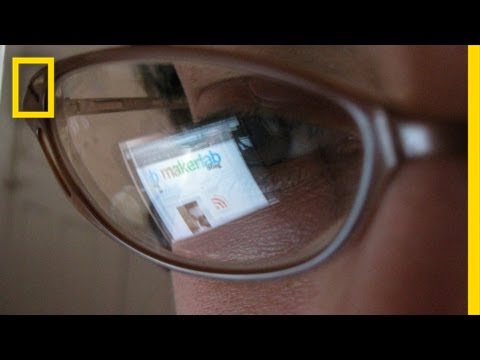
So, picture this: you wake up one morning, and your coffee maker is talking to you. Seriously! It starts asking about your plans for the day while brewing the perfect cup of joe. Sounds like something out of a sci-fi flick, huh? But it’s just a peek into the wacky world of cyborg anthropology.
Yeah, that’s a thing! It’s not about robots taking over, but rather how we humans mesh with tech. You know how we’ve all got our smartphones glued to our hands? That kind of vibe—blurring the lines between what makes us human and what’s techy.
And here’s the deal: this whole connection isn’t just interesting; it actually shapes our lives in ways we don’t always notice. Tech isn’t just gadgets anymore; it’s part of our culture, identity, and even relationships. Wild, right? So grab your coffee—oh wait, I mean your smart coffee maker—and let’s dive into this fun mix of humanity and technology!
Exploring Cyborg Anthropology: Understanding the Intersection of Technology and Human Culture in Science
Cyborg anthropology is a fascinating field that looks at how technology and human culture intermingle. It’s all about understanding how our daily lives change as technology becomes more integrated with humanity. So, what does that really mean, huh?
Well, think about it: we’re living in an age where smartphones are glued to our hands. Just imagine a day without yours! We rely on these devices for communication, navigation, and even for figuring out what to have for dinner. Isn’t it wild how dependent we’ve become? That’s the kind of thing that cyborg anthropologists are curious about.
They explore the idea of the “cyborg,” which isn’t just some sci-fi character with robotic arms or laser eyes. It really refers to how we blend human capabilities with technology. For example, you might have heard of people using prosthetic limbs that are controlled by their thoughts! These aren’t just tools; they become a part of us.
In this crossroad of tech and culture, there are some key points to consider:
- The Evolution of Identity: As we adopt more tech into our lives, our sense of self can shift too. Social media platforms shape how we present ourselves.
- Communication Changes: Ever tried talking to someone who’s glued to their phone? Technology changes not just how we talk but also how well we connect.
- Cultural Practices: Think about rituals around tech—like live-streaming events or sharing memes. These practices create new cultural traditions.
- The Ethics of Tech: With great power comes great responsibility! How do we navigate issues like privacy or AI biases in our day-to-day interactions?
Just picture your grandma trying to use FaceTime for the first time—it’s hilarious but also a bit touching because it shows the gap between generations. This illustrates that as technology evolves, so do the relationships within families.
Another major aspect is looking at social implications. For instance, when you think about virtual reality (VR), it’s cool but can also lead to people feeling isolated from real life while immersed in digital worlds. What does that mean for friendships and community bonds?
There’s also this whole discussion around surveillance. You know those smart speakers listening in on your conversations? It raises questions about whether convenience is worth the trade-off in privacy.
So next time you pull out your phone or slip on some smart glasses, think about what it means—not just for you but for society at large. Cyborg anthropology encourages us to reflect on this fusion of humanity and technology—and trust me; it gets pretty mind-bending!
Exploring Cyborg Technology: The Integration of Human Beings and Advanced Science
Sure thing! Let’s talk about cyborg technology, a cool blend of humanity and advanced science that’s kind of taking over our imagination lately.
Cyborgs are basically beings that are part human and part machine. This idea isn’t just science fiction anymore; it’s becoming reality. Have you heard of people who use prosthetics? Well, some of these prosthetics go beyond just helping someone walk or hold things. They can actually be controlled by the brain using sensors. How neat is that?
Cyborg Anthropology is a field that studies how humans and technology interact with each other. It’s all about understanding how integrating tech into our daily lives changes what it means to be human. Think about it! Your smartphone isn’t just a gadget; it’s almost like a third hand for many people, right?
But there are lots of **ethical questions** that pop up too. If someone gets a chip implanted to help with memory, does that change who they are? And if someone has an advanced prosthetic limb, are they still considered “fully” human? It’s kind of mind-boggling!
Speaking of amazing technology, have you seen the work being done with brain-machine interfaces? Yeah, it’s wild! These interfaces let people control devices just by thinking about moving their body parts—like magic! Just picture someone in a wheelchair moving around by using only their thoughts. That’s not just sci-fi; that’s happening here and now!
One thing to consider is how society views these changes. In some circles, having tech enhancements could become the norm, while in others, it could lead to inequalities. Some might have access to the latest tools while others don’t—that would create a divide in society.
Another emotional angle on this whole topic comes from real-life stories. There are folks out there who’ve lost limbs but have found new hope through advanced prosthetics or neural implants. Like this one guy I read about who lost his arm but now has a robotic one he controls with his mind—it restored not just functionality but also confidence for him.
In short, cyborg technology raises fascinating questions about identity and what defines us as humans. The lines between us and machines will only blur more in the future! Isn’t it amazing where technology is taking us?
Exploring the Interplay Between Cyborg Technology and Human Physiology: Advances in Science and Bioengineering
Have you ever thought about how we’re slowly blending in with machines? It’s like something out of a sci-fi movie, but the truth is, we’re stepping into that world bit by bit. The mix of cyborg technology and our own human physiology is becoming more common, and it’s super fascinating to see how this relationship evolves.
So, what’s a cyborg anyway? Well, think of it as a creature that’s part human, part machine. This concept isn’t just for comic books anymore. We’re talking about real advancements in science and bioengineering that enhance what our bodies can do.
There are a few key areas where this interplay shines:
- Prosthetics: Imagine losing an arm or a leg and getting a prosthetic that not only looks realistic but also moves like the real thing! Modern prosthetics use sensors powered by technology to make movement smoother and more natural.
- Neurotechnology: This is all about connecting our brains to computers. Think brain-computer interfaces that let paralyzed individuals control devices just by thinking about it. It sounds like magic, right?
- Bionics: Bionic limbs can enhance strength or speed beyond what normal human capacity allows. Picture running faster than you ever could before because of some slick tech integrated right into your body.
Now, let me take you back to my friend Sam for a second—Sam had an accident and lost his leg in college. After he got fitted with a bionic leg, he told me he felt whole again. He could run, climb stairs effortlessly—stuff he thought he’d never do again! That kind of personal connection makes all this tech even more powerful.
But here’s where it gets interesting: while we’re busy merging with machines, there are questions we need to think through. What does it mean for our identity as humans? Are we still who we are when tech starts playing such a vital role in our physical capabilities?
The field of cyborg anthropology digs deep into these questions. It studies how technology shapes us as individuals and communities. Researchers look at how enhancing our physiology impacts social interactions, identity formation—all those juicy bits of being human! For instance, when some folks get enhancements while others don’t, what kind of social dynamics pop up?
So yeah, the conversation is ongoing—it’s not just black and white; it’s layered with ethical dilemmas too! There’ll be challenges about equal access to these technologies or debates about altering the very fabric of being human.
At the end of the day, exploring this blend between cyborg tech and our nature can change everything—from medicine to philosophy—making us rethink what it means to be alive today! Keep your eyes peeled; it’s only going to get wilder from here!
Cyborg anthropology is such a wild concept, isn’t it? I mean, when you think about it, it’s like this mix of humans and technology—like we’re living in a sci-fi movie! Sometimes I sit back and wonder how we ended up here. Just a few decades ago, a smartphone was more like a dream than reality. Now, they’re practically glued to our hands!
So, what exactly is cyborg anthropology? Well, it looks at how humans interact with technology and how that shapes our culture and identity. You know those moments when you’re scrolling through social media, lost in thought? That’s not just mindless scrolling; it’s part of who we are now. Our devices influence the way we communicate, form relationships, and even think. Crazy to think about!
I remember this one time when my little cousin was trying to show me something on her tablet. She swiped through apps with such confidence—it was like she had been born with that thing in her hands. It made me realize how naturally integrated tech has become in our lives—and in hers especially! She’s growing up in a world where everything is connected, where machines are an extension of herself.
But here’s the twist: while technology helps us connect with others across the globe, it can also create distance. Ever notice how sometimes a room full of people might be silent because everyone is busy on their phones? It’s kind of sad when you think about it. We have gadgets that help us communicate globally but sometimes struggle to share a moment face-to-face.
And then there’s the whole idea of identity—a bit mind-bending! When we craft online personas or choose what to post on social media, are we showing our true selves? Or are we curating bits and pieces to fit into what we want others to see? You see where I’m going with this? Our interactions with tech make us rethink who we are.
Cyborg anthropology isn’t just about looking at tech as tools; it’s about understanding our humanity wrapped up in all those wires and screens. So yeah, maybe next time you’re scrolling your feed or sending a text message, take a second to pause and reflect on how that little gadget influences your world today—and probably tomorrow too. It’s fascinating stuff!