So, imagine this: you’re at a family reunion, and your cousin pulls out an ancient-looking family tree that traces your lineage back to some distant relative who was like, a knight or something. Pretty cool, right? Well, that’s sort of what mapping humanity’s genetic journey feels like.
You see, we all have this epic story written in our DNA. It’s like each one of us carries a piece of the past, filled with adventures from all over the world. Every twist and turn in our genes tells a tale of migration, survival, and connection. Isn’t that wild?
Every time you look in the mirror, you’re looking at centuries of history! From ancient tribes walking across continents to how we’ve mixed and mingled all over the globe. It’s not just numbers; it’s about people just like you and me.
So let’s talk about how scientists are piecing together this incredible puzzle. There are some surprises in there too! You might find out that your great-great-grandma was not who you thought she was—or maybe that you’re related to someone famous! Ready to explore?
Exploring Humanity’s Genetic Journey: A Global Mapping Initiative in Science
So, you know how we all come from different backgrounds, cultures, and places? Well, that diversity is actually rooted in our DNA. Scientists are super curious about mapping out humanity’s genetic journey across the globe. This involves figuring out how our genes have changed and moved over thousands of years. It’s kind of like tracing your family tree, but instead of just names, they’re looking at genes!
The idea behind mapping humanity’s genetic journey is to understand how we all relate to one another. Imagine a giant puzzle where each piece represents a specific group of people or a geographical area. By studying these pieces, researchers can see connections between different populations. It’s almost like creating a global family reunion based on genetics!
One major initiative that stands out is the Human Genome Project. This was like the first big step into understanding human DNA. Completed in 2003, it mapped the entire human genome which has helped researchers identify genetic variations across populations. For example:
- Genetic Diversity: Different regions have unique genetic markers due to historical migration patterns.
- Health Insights: Understanding where certain diseases are prevalent can help target healthcare efforts.
- Cultural Stories: Genetics also tells stories about human history and migration routes.
A cool aspect of this initiative is how it shows that even though we look different on the outside, our genes often tell a similar story. If you think about your own family tree—like who you inherited traits from—this global mapping helps identify common ancestors for entire groups of people.
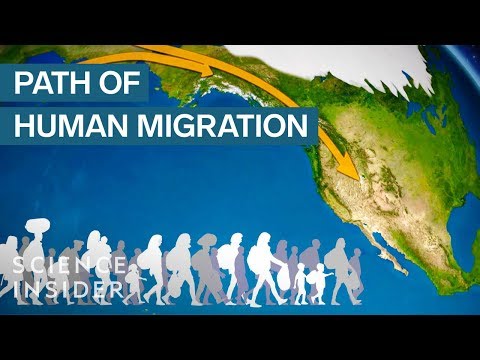
But here’s where it gets even more interesting: when scientists study ancient DNA from archaeological sites, they can piece together old migrations and interconnections that happened way back when! That’s revealing a lot about how humans spread out from Africa thousands of years ago.
It’s kind of emotional too because realizing how interconnected we all are can really change perspectives on identity and belonging. You might even feel closer to people from different parts of the world once you learn about those shared ancestral ties.
There’s so much more happening too! Global partnerships in science allow for diverse voices to contribute to these research efforts. Researchers are collaborating with indigenous communities to ensure respect for cultural backgrounds as they explore genetic information.
So yeah, it turns out mapping humanity’s genetic journey isn’t just about charts and numbers; it dives deep into who we are as people and what connects us below the surface. From understanding health risks in various communities to uncovering rich histories through DNA, this project truly showcases the beauty in our differences while also highlighting our common ground. How amazing is that?
Exploring Humanity’s Genetic Journey: A Comprehensive Mapping of Global Ancestry
Exploring Humanity’s Genetic Journey is like piecing together a gigantic puzzle. Each piece tells a story about where we come from and how we’ve spread across the Earth. Modern science is like that detective you see in movies, revealing clues hidden in our DNA that can trace back thousands of years.
So, what’s the deal with mapping our ancestry? Well, it’s about looking at our genes, those tiny bits of information in almost every cell of our body. Humans share a lot of DNA with each other—about 99.9% is the same. What’s fascinating is that the remaining 0.1% includes variations that help explain differences in traits like skin color, height, or even certain susceptibilities to diseases.
Scientists have developed methods to read our DNA and compare it to samples taken from different populations around the world. This process helps them figure out who might be related to whom and where different groups originated. They use something called genetic markers, which are specific sequences in your DNA that stay pretty consistent over generations.
For example, if you carry a particular genetic marker usually found in individuals from East Asia, there’s a chance your ancestors had roots there. This doesn’t mean you’re exclusively from one place; it just gives us hints about your heritage.
Now imagine this: researchers have built massive family trees spanning continents! They call this work phylogenetics. It groups people based on how closely related they are genetically. This kind of mapping has shown us how all humans originally came from **Africa** tens of thousands of years ago before dispersing across the globe.
And here’s something cool: some studies have used ancient DNA extracted from bones found at archaeological sites. These samples give insights into how human populations moved and interacted throughout history—like migrations during ice ages or the spread during agricultural developments.
But it gets even more interesting when we consider migration patterns influenced by social factors like trade or conflict! For instance, consider the Vikings; their explorations left a genetic mark in many regions across Europe and beyond as they settled down.
Of course, while mapping ancestry has its perks, there are also ethical considerations to keep in mind! Issues like privacy come into play since people might not want their genetic info being analyzed or shared without consent.
We also need to think about how broadly we classify groups because cultures aren’t strictly defined by geography or genetics alone—they’re shaped by language, traditions, and histories too!
So yeah, as researchers continue mapping humanity’s genetic journey, they’re unlocking stories about who we are and where we’ve been—all through the power of our genes! It’s an ongoing adventure filled with surprises and insights waiting just beneath the surface!
You know, when you think about it, everyone has a story woven into their DNA. It’s like this hidden book that tells the tale of where we come from. I remember chatting with my grandfather once, and he started sharing stories about our family’s roots. He spoke of our ancestors traveling across oceans and mountains, navigating through hardships and triumphs. It hit me then how all those experiences are somehow stored in the genes we share today.
Mapping humanity’s genetic journey across the globe is kind of like creating a family tree but on a massive scale. Scientists look at our DNA to trace back thousands of years and see how people migrated. Picture this: you take a tiny sample from someone and it can reveal where their distant relatives might have roamed long before modern cities, technology, or even the internet existed! Like magic, right?
It’s fascinating to learn about ancient populations who moved due to natural disasters or searching for food. These movements shaped not only cultures but also genetic diversity. The more we understand our shared history, the more we see how connected we truly are—and it’s comforting in a world that sometimes feels divided.
Through genetic mapping, researchers have identified various human migration patterns over millennia. You might hear terms like “out-of-Africa theory,” which suggests that all modern humans can trace back their lineage to Africa before spreading out globally. It’s mind-blowing! That means the roots of humanity all sprout from one continent—a place bustling with life and history.
And there’s another layer to it that really brings things home: it’s not just science; it’s personal too. Think about your own heritage—maybe you have roots in Europe or Asia or who-knows-where-else. Each part adds richness to your identity! Even if you’ve never left your hometown, there’s likely an adventure encoded in your genes waiting to unfold.
So as scientists map these journeys with high-tech tools and ancient artifacts, it nudges us to reflect on who we are as a human family. We’re more similar than different when you look deep down at our genetic make-up—like pages from the same book filled with different stories yet tied together by common threads.
In a way, understanding this journey isn’t just about knowing where we came from; it opens doors for empathy and connection among people everywhere. After all, isn’t life all about finding those connections?