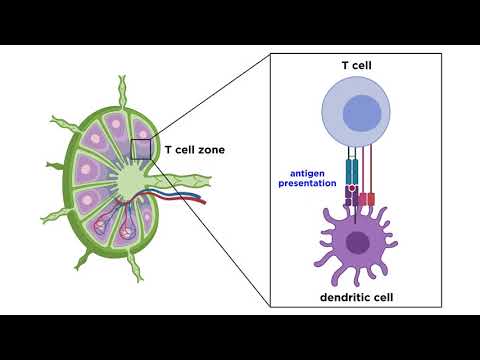
You know, lymph nodes aren’t just those little bumps you feel in your neck when you’re fighting a cold. They’re like the body’s version of a bustling beehive, constantly working to keep us safe from all those germs lurking around.
Imagine this: you’re out at a picnic, enjoying your sandwich, and suddenly you get an itch on your arm. It’s probably just a bug bite, right? But what if I told you that your lymph nodes are already on it? Seriously! They’re busy recognizing that tiny threat and getting ready to kick some serious germ butt.
We often overlook these little guys, but they play a massive role in our immune system. So let’s take a closer look at how they work their magic! You might just find yourself fascinated by the secrets hiding inside those tiny structures.
Understanding Lymph Node Cytology: A Comprehensive Overview in Medical Science
Lymph nodes are tiny, bean-shaped structures scattered throughout your body. They play a big role in the immune system. Basically, they’re like the body’s security checkpoints, helping to filter out harmful substances and fight infection. Now, you’d think these little guys wouldn’t get too much attention, but their cytology—basically how they look under a microscope—holds many secrets about our health.
When we talk about lymph node cytology, we’re diving into the cellular details. Lymph nodes contain various cells: lymphocytes (a type of white blood cell), macrophages (which eat up pathogens), and other important players in your immune response. When doctors need to check these cells, they often perform a procedure called fine needle aspiration (FNA). This is where a thin needle collects a sample of lymph node tissue for analysis.
So, what can we find out from that? Well, it’s like peeking inside a hidden world! The examination reveals whether there are any abnormalities like cancer or infections. If you’ve ever seen an old detective movie where they sift through evidence—yeah, it’s kind of like that! The pathologist looks for unusual cell sizes or shapes that might indicate something’s off.
Sometimes, you might hear terms like “hyperplasia” or “neoplasia.” Hyperplasia means an increase in normal cells due to inflammation or infection. Think of it as your body ramping up production to kick some illness butt! On the other hand, neoplasia refers to abnormal cell growth which could potentially lead to cancer. So distinguishing between these two is really important.
When they analyze the samples, they also look for specific markers. These markers help identify what type of cells are present and whether they’re functioning as they should be. For example, certain proteins might indicate whether an infection is viral or bacterial!
It’s interesting because cytology isn’t just about finding bad news; it can also help track how well treatments are working. For instance, if someone is undergoing chemotherapy for lymphoma—the lymph node cancer—they’d want to see if those nasty cancer cells are shrinking over time.
A few common conditions identified through lymph node cytology include:
- Infections: Tuberculosis and viral infections can show specific changes in lymph node cells.
- Cancers: Lymphomas and metastatic cancers often alter normal cell patterns.
- Autoimmune diseases: Conditions like lupus may cause reactive changes.
But let’s take a step back here: understanding all this stuff can feel pretty overwhelming sometimes. I remember when my friend was diagnosed with Hodgkin’s lymphoma; she was terrified before her biopsy results came back. Those moments filled with uncertainty were tough! But knowing that doctors would analyze her lymph nodes helped ease some fear; they were going to get answers!
To wrap this up (not that I’m rushing you) but remember: lymph nodes might be small players in our body’s big game but their cytology provides crucial insights into our health status and immune function. Whether fighting infections or monitoring potential malignancies, knowing what’s going on at the cellular level can make all the difference in diagnosing and managing diseases effectively!
Comprehensive Guide to Lymph Node Cytology Pathology: Key Outlines and Insights
When we talk about lymph nodes, we’re diving into a vital part of your immune system. These little structures are like the body’s checkpoints, filtering out bad stuff and helping keep you healthy. So, what’s the deal with **lymph node cytology pathology**? Let’s break it down.
Cytology is all about studying cells. In lymph nodes, this means looking at how the cells behave and interact. Why is that important? Well, lymph nodes can show signs of various conditions—from infections to cancers—just by examining these cells under a microscope.
Now, you might be wondering what exactly gets looked at in the lab. Basically, when someone has swollen lymph nodes, doctors might order a **fine needle aspiration (FNA)**. Here’s where they stick a thin needle in to collect some cells for testing. Then they take a closer look at those cells.
Key features in lymph node cytology include:
- **Cellularity:** How many cells are present? A high number might indicate infection or malignancy.
- **Cell types:** The kinds of immune cells present matter—a mix of B-cells and T-cells can mean your body is fighting an infection.
- **Nuclear characteristics:** Changes in size or shape of the cell nuclei often hint at problems.
- **Background material:** The fluid and substances surrounding the cells can tell a lot about what’s happening in that area.
So let’s say you’ve got some swollen glands after getting sick. The doctor does an FNA, and they find lots of **lymphoblasts**, which are immature forms of lymphocytes (that’s just a fancy term for your immune cells). This can point towards something like leukemia or another type of cancer.
It’s not just about spotting bad news either! Sometimes, these findings reveal a simple **viral infection**, like mononucleosis—kind of like getting sick and having your body send out its infantry to handle things.
But here’s where things get interesting: Lymph node cytology isn’t just about pointing fingers at what’s wrong; it’s also giving insights into how well your immune system is doing its job. Imagine having an army ready to defend you; observing those soldiers helps us understand if they’re strong enough to fend off attacks.
What really makes this field exciting is how it evolves! With advances in technology—like digital imaging and molecular diagnostics—we’re able to see much clearer pictures of what’s happening down there on the cellular level. It opens up possibilities for more accurate diagnoses and better treatment plans.
In summary, studying lymph node cytology pathology gives us a peek into our immune response mechanics—it helps identify illnesses ranging from benign infections to serious cancers—and improves our understanding of immunology as a whole. So every time you hear about those tiny glands working hard behind the scenes, remember they’re not just sitting around—they’re busy keeping you safe!
Comprehensive Guide to Reactive Lymph Node Cytology: Pathology Outlines and Insights
Alright, let’s talk about reactive lymph node cytology. Sounds a bit technical, huh? But seriously, it’s something that can tell us a lot about our immune system. Lymph nodes are like tiny filters in your body. They help catch germs and foreign stuff that shouldn’t be there. When they get activated, they may swell up or change their behavior, which we can study by looking at their cells under a microscope.
So, what do we mean by “reactive”? Basically, it refers to how lymph nodes respond to infections or inflammation. When something’s off in your body—like an infection—your lymph nodes start working overtime. They produce more immune cells and change their structure a bit. That’s where cytology comes into play; it helps us assess these changes.
Cytology is the study of cells, right? When doctors examine the cells from reactive lymph nodes, they look for specific characteristics:
- Lymphocyte proliferation: This means there are more white blood cells than usual since your body is fighting something off.
- Macrophages: These are like the big eaters of your immune system. They gobble up debris and pathogens. Watching how many there are can give clues on what’s happening.
- Follicular hyperplasia: This is when certain areas in the lymph node become enlarged because they’re busy making antibodies.
The amazing thing is that these changes can indicate different things! Not all swollen lymph nodes are caused by infections; sometimes they might hint at other issues like autoimmune diseases or even cancer. So it’s super important for doctors to get this right!
A little story here: I once had a friend who felt a lump on her neck and freaked out thinking it was something serious. Turned out her lymph nodes were just reacting to a mild throat infection! After going through some cytological tests, she learned how resilient her body was at fighting off infection—it was super reassuring for her.
The key takeaway here is that examining reactive lymph node cytology not only helps in diagnosing conditions but also gives insights into how well your immune system is functioning. It’s like having a backstage pass to see what’s really going on during an illness!
If you’re ever curious about any kind of medical test results regarding your lymph nodes or immune health, remember it’s all about understanding how these amazing little structures work together in our bodies!
You know, the human body is like a bustling city, with each part playing its role in keeping things running smoothly. And lymph nodes? They’re kind of like those little traffic lights scattered around town, helping to manage the flow of immune responses. It’s pretty fascinating when you think about it.
I remember this one time I got sick as a kid. My throat was sore, and my mom took me to the doctor. They felt my neck and noticed my lymph nodes were swollen. At that moment, I wasn’t quite sure what was going on, but I remember feeling a bit relieved knowing my body was doing something to fight off whatever bug I had. Those tiny bean-shaped structures were working hard to protect me.
So, here’s the deal: lymph nodes are packed with cells that are at the forefront of your immune system. You have B cells and T cells—think of them as some sort of superhero squad—ready to tackle pathogens like bacteria and viruses. B cells make antibodies that lock onto these invaders while T cells help recognize and destroy infected cells. Isn’t it kind of amazing how they all work together?
When something harmful shows up in your body or even just around your community (like when someone sneezes nearby), these lymph nodes spring into action. They filter out those nasty germs and help ramp up an immune response. You could say they’re like gatekeepers ensuring only the right stuff gets through.
But it’s not just about fighting off infections! These little guys also play crucial roles in more complex things like cancer detection and response. If cancer cells decide to crash the party, lymph nodes often react by trying to attack them too.
Thinking about this makes me appreciate how interconnected our bodies truly are—a whole network working tirelessly behind the scenes! What’s wild is that sometimes you might not even notice all this action happening until something goes off track.
So yeah, next time you feel a lump in your neck after being under the weather or see someone complaining about swollen glands, maybe take a moment to appreciate those hardworking lymph nodes—the unsung heroes of our immune system fighting for us every day without asking for any thanks!