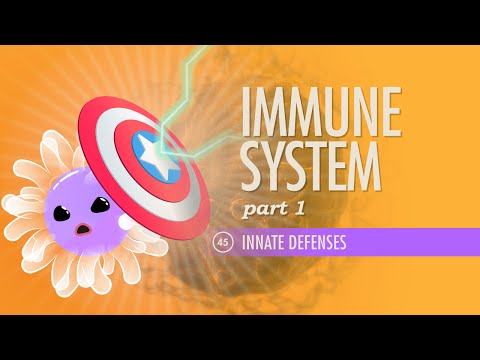
You know that feeling when you get a tickle in your throat, and you’re like, “Oh no! Is this it? Am I getting sick?” Well, your immune system is basically the superhero of your body, swooping in to rescue you from those pesky germs. Seriously, it’s doing this amazing dance behind the scenes all the time.
Imagine a party where all your favorite snacks are invaded by some unwelcome guests. Your immune system? It’s the bouncer making sure those troublemakers don’t ruin the fun. Just like that one friend who doesn’t let anyone mess with their group!
So, how does this whole immune thing work, anyway? What goes down when you encounter a cold or that stubborn flu? Buckle up! We’re about to uncover some mind-blowing mechanisms that make your body fight back. And trust me, it’s way cooler than it sounds.
Comprehensive Insights into the Physiology of the Immune System: Downloadable PDF Resource for Scientific Study
The immune system is like your body’s personal bodyguard, always on high alert to protect you from infections and diseases. So, let’s take a look at what makes it tick.
First off, the immune system is divided into two main parts: innate immunity and adaptive immunity. Innate immunity is your first line of defense. It’s immediate and non-specific, meaning it reacts the same way regardless of the invader. Think of it as the security staff at a concert who checks everyone at the entrance. They may not know who you are, but they’re checking for anything suspicious.
- Physical barriers: Your skin and mucous membranes play a crucial role in keeping out pathogens.
- White blood cells: These include neutrophils and macrophages that gobble up unwelcome guests.
- Chemical defenses: Like tears and saliva contain enzymes that can break down bacteria.
Then we move on to adaptive immunity, which is like having a personalized bodyguard who learns your enemies over time. This system takes a bit longer to kick in but is way more specific about how it fights back. Remember how you might recognize someone from high school years after graduation? That’s similar to how T-cells remember pathogens.
- B-cells: These guys produce antibodies that specifically target pathogens. Imagine them as sharpshooters with laser focus!
- T-cells: There are helper T-cells that rally other immune cells and killer T-cells that destroy infected cells directly.
An emotional aspect of this whole immunity thing? Well, think about when you catch a cold. It’s no fun! But your immune system springs into action, battling off those pesky viruses while sometimes leaving you feeling pretty miserable in the process—runny nose and all!
The balance between these systems is so delicate. If your innate immune response overreacts, it can lead to allergies or autoimmune diseases where your body starts attacking itself. But if the adaptive side doesn’t do its job well enough? You could end up vulnerable to infections. What a tightrope walk!
If you’re itching for more detailed insights into this complex world, there are downloadable resources available like PDFs that lay out all these mechanisms clearly for scientific study. They often include diagrams showing how different cells interact in real-time during an infection—super useful stuff!
The thing is, understanding our immune system can help us make better lifestyle choices—like eating right or getting vaccinated—that support these processes we rely on so much without even thinking about them.
Amazing isn’t it? Our body does all this behind the scenes while we just go about our daily lives! So next time you sneeze or feel under the weather, just remember there’s an army inside ready to defend you!
Understanding the 4 Stages of Immune Response: A Comprehensive Overview in Immunology
Alright, let’s chat about the four stages of immune response. It’s like a team sport where your body is the team, and each player has a specific role when it comes to tackling infections. When something not-so-friendly enters your system, like a virus or bacteria, here’s how it goes down:
- Recognition
This is the first stage. Imagine your immune system as a group of vigilant guards. They’re always on alert for anything suspicious. When the body detects a pathogen—like when you catch a cold—the immune cells recognize it as foreign because it has unique markers called antigens. This recognition is crucial; if they don’t “see” the invader, nothing else can happen.
- Activation
Once those guards spot an intruder, they kick off activation. Think of it like sounding the alarm. Various immune cells, particularly T-cells and B-cells, start waking up from their slumber and get ready to spring into action. T-cells will begin multiplying and prepare to attack while B-cells start producing antibodies—these are special proteins that bind to pathogens and neutralize them.
- Response
The next stage is all about response. Here’s where things can get really intense—kind of like an all-out battle scene in an action movie! Your immune cells go into full combat mode. The activated T-cells hunt down infected cells and destroy them, while B-cells release those antibodies we just talked about into the bloodstream to tag the invaders for destruction.
- Resolution
The final stage is resolution. This one’s important because you want to wrap things up without leaving any lingering chaos behind! Once the pathogens are taken care of, your body starts cleaning house by getting rid of those now unnecessary activated immune cells so they don’t turn on you later. It also begins repairing any damages caused during battle.
This whole process isn’t just important for fighting off infections; it’s also how vaccines work! By mimicking pathogens without causing disease, vaccines help train your immune system through these same stages so that it remembers how to fight effectively if you’re ever exposed for real.
So there you have it—the four stages of immune response in all their glory: recognition, activation, response, and resolution! It’s amazing how our bodies fight back against germs every day while we go about our lives without even noticing most of the time.
Understanding the Mechanism of Immune Response: A Comprehensive PDF Guide for Scientific Study
So, let’s chat about the immune response, shall we? It’s this super complex system that your body uses to fight off nasty bugs like bacteria and viruses. Think of it like a security team on high alert, always ready to tackle invaders.
First things first: what is the immune system? It’s made up of a network of cells, tissues, and organs that all work together. You’ve got white blood cells (those are the defenders) circulating around, waiting for trouble. It’s interesting how these little guys can tell what belongs in your body and what doesn’t! They have this crazy ability to recognize foreign invaders.
Now, let’s break it down into key points about how this whole thing works:
It gets pretty fascinating when you think about how these guys communicate. They release signals called cytokines—think of them as little messages saying “Hey, we need backup over here!” They help coordinate everything so everyone is on the same page.
So imagine you’ve caught a cold for the first time. Your innate immunity kicks in right away trying to fight it off with general defenses. But then your adaptive immunity starts learning from this new virus—kinda like taking notes during class—and after some time, it remembers what to do if that virus tries to sneak in again.
Amazingly enough, once your immune system has battled an invader successfully, it can create memory cells which hang around just in case you encounter that bug again. It’s like having photo ID badges for all those former bad guys!
But it isn’t always smooth sailing—there can be misfires too! Sometimes your immune system might go haywire and start attacking healthy tissues instead—a bit dramatic, huh? That leads us into things like allergies or autoimmune diseases.
And hey, here’s something cool: vaccines play with this whole mechanism too! They introduce harmless bits of pathogens so our bodies can learn without actually getting sick.
In summary: The immune response is an intricate dance between different types of defenses working together to protect you from harm! Every day your immune system faces countless threats while keeping you safe—and honestly? That’s pretty heroic if you ask me!
Alright, let’s chat about this whole immune system thing. You know how when you get a cold or something, it feels like your body is waging war? Well, that’s basically what your immune system is up to all the time—defending you from all these potential threats. It’s like a mysterious force field surrounding you.
So, here’s a little story. One time, I had this nagging cough that just wouldn’t quit. I was convinced I was becoming some kind of zombie. But then I realized my immune system was just doing its job! It was sending out tiny soldiers called white blood cells to battle those annoying germs. And yeah, at the time it felt miserable, but looking back? It’s kind of cool how our bodies automatically kick into gear when something bad shows up.
There are two main players in this immune system game: the innate and adaptive immunity teams. The innate side is like your first line of defense—quick and ready to jump on anything that tries to invade. Think of them as the bouncers at a club; they don’t mess around! They throw out anything suspicious right away.
Now, adaptive immunity is a bit more sophisticated. This team learns and remembers past invaders so next time they hit you up, they can respond way quicker and effectively. It’s like having a personal trainer for your immune response—you get stronger every time.
And seriously, it’s incredible how these systems communicate with each other! There are chemical messengers flying around all the time that help coordinate this defense strategy—like they’re having their own little conversations! Imagine them gossiping about how to deal with that flu virus trying to crash your party; very dramatic!
But here’s where things can get tricky: sometimes the immune system gets confused and starts attacking healthy cells instead of just the bad guys—hello autoimmune diseases! That’s when your own body becomes the villain in its own story.
So yeah, while we often think about sneezing or feeling feverish as signs our bodies are failing us, those signs actually show our immune system is working hard behind the scenes. Crazy how all this happens without us even noticing most of the time! Just goes to show—it’s not all gloom and doom; there’s an amazing network fighting for you every day without asking for any applause!
In the end, it makes you stop and appreciate just how intricate our bodies really are. Next time you’re under the weather or feel that tickle in your throat, remember it’s not just a hassle—it’s a full-on battle zone where tiny heroes are constantly on duty! How cool is that?