You know that feeling when you’re out of breath after running up a flight of stairs? It’s like your lungs are staging their own little protest. You can almost hear them yelling, “Hey, slow down!”
Lungs are wild. They work tirelessly to keep us alive, but most of us barely give them a second thought. Seriously! These two spongy organs do more than just fill up with air. They’re part of a complex system that keeps our bodies buzzing along.
Ever tried to blow up a balloon? Well, your lungs kinda do the same thing, only with way more finesse. There’s so much going on inside that we hardly notice. Let’s peel back the layers and take a look at this incredible anatomy and how it all works together.
So, ready to learn some cool stuff about those breathing buddies of ours? Trust me; it’s gonna be fun!
Discover 5 Fascinating Facts About the Lungs: Insights into Human Respiratory Science
You know, our lungs are like these incredible, squishy balloons that do so much more than just help us breathe. Seriously, there’s a lot going on in there! Here are some cool facts about our lungs that might just blow your mind.
- Size Matters: Did you know that the surface area of your lungs is as big as a tennis court? That’s right! When you spread them out, all those tiny air sacs called alveoli add up to around 70 square meters. It’s amazing how such a small organ can have such a massive area for gas exchange!
- Breathing Patterns: The average person takes about 20,000 breaths a day. That’s like breathing non-stop for an entire day! And the cool part is, when we’re resting, our breaths are usually slow and deep. But when we exercise or get excited, they become fast and shallow. It’s all about keeping our body well-oxygenated.
- The Mucus Magic: Our lungs are lined with mucus that plays a crucial role in keeping us healthy. This sticky substance traps dust, pollen, and other tiny invaders before they can reach our bloodstream. Plus, cilia—tiny hair-like structures—sweep the mucus up to the throat so we can cough it out or swallow it down. Pretty neat defense system, huh?
- Two Lungs, Different Sizes: Ever noticed how one lung is bigger than the other? The right lung has three lobes while the left one only has two because it makes room for your heart. So every time you breathe in and out, you’ve got this unique partnership happening inside your chest!
- Lung Capacity: You might think you’re just breathing in regular air, but there’s more to it! Your lungs hold around 6 liters of air at full capacity. But most of us only use about half of that during everyday activities. Think about what happens when we laugh or take deep breaths—it feels good to fill those lungs up!
Just imagine for a second… You’re hiking up a hill and feel that rush of fresh air filling your lungs—it’s invigorating! Our respiratory system is not just about survival; it’s about experiencing life fully.
So yeah, our lungs are pretty fascinating! Next time you take a deep breath, remember all these amazing facts lurking within your chest cavity.
Comprehensive Overview of Lung Anatomy and Physiology: Educational PowerPoint Presentation for Science Enthusiasts
Let’s chat about lung anatomy and physiology. You might not think about it much, but your lungs are doing a lot for you every single day. They’re like those unsung heroes in your body, quietly working to keep you alive and kicking!
Your lungs are part of the respiratory system, which also includes the nose, trachea, and diaphragm. They basically help you breathe, bringing in oxygen and getting rid of carbon dioxide. Pretty essential stuff! Let’s break it down further.
- Anatomy: The lungs aren’t just two big sacs. They’re quite complex! There’s the right lung with three lobes—super cool—and the left lung has two lobes because it shares space with your heart.
- Bronchi: When you inhale, air travels down through the trachea into the bronchi—the big tubes that go into each lung. It’s kind of like how a tree branches out! These bronchi split into smaller tubes called bronchioles.
- Alveoli: At the end of these tiny bronchioles are tiny air sacs called alveoli. This is where all the magic happens! Imagine them as little balloons exchanging gases with your blood. Seriously, this is key for getting oxygen into your body.
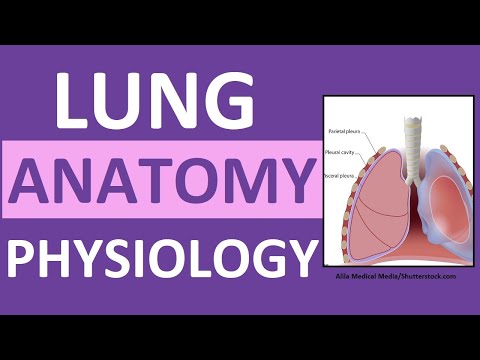
- Pleura: Each lung is surrounded by a two-layered membrane called pleura. It helps reduce friction when you breathe—think of it like oil on squeaky hinges!
The structure is fascinating, but how do these parts come together to keep you breathing? Well, that’s where physiology kicks in!
- Inhalation: When you breathe in, your diaphragm (it’s that muscle at the bottom of your rib cage) contracts and moves down. This creates a vacuum effect that pulls air into the lungs.
- Gas Exchange:<!–b>: Inside those alveoli, oxygen from the air passes into your bloodstream while carbon dioxide moves from your blood into those air sacs to be exhaled.
- Circular Connection:<!–b>: The blood carries oxygen-rich blood back to your heart and then pumps it out to nourish every cell in your body—so essential!
- Chemoreceptors:<!–b>: Your body is super smart; it has sensors (chemoresceptors) that monitor levels of carbon dioxide in your blood. If they get too high or low on oxygen, they tell your brain to adjust breathing rates.
You know, I once read about a girl who could hold her breath for an impressively long time. Turns out she trained her dive reflex, which slows her heart rate down while conserving oxygen when submerged in water. How cool is that? It really showcases how adaptable our bodies can be!
The way our lungs function not only shows their intricate design but also highlights this beautiful dance between our respiratory systems working hard for us daily! So next time you’re taking a deep breath after running or relaxing with slow breaths during yoga or meditation, give thanks to those hardworking lungs—they’re doing their job like champions!
Comprehensive Guide to Lung Anatomy: Downloadable PDF Resource for Scientific Study
When you think about your lungs, you might just picture two squishy bags inside your chest. But there’s so much more going on! Your lungs are super complex organs that play a key role in how your body gets oxygen and gets rid of carbon dioxide. Let’s break it down, shall we?
Lung Structure: Your lungs are divided into sections called lobes. Two in the left lung and three in the right lung!
- Left Lung: Has two lobes—the upper and lower lobe. It’s smaller because it shares space with your heart.
- Right Lung: Has three lobes—upper, middle, and lower. It’s larger to allow for greater volume.
Each lobe is made up of tiny balloon-like structures called alveoli. These little guys are where the magic happens; they’re where oxygen enters your blood and carbon dioxide exits!
Now let’s talk about airways. Think of them like highways for air, starting from when you take a breath through your nose or mouth. The air travels down through:
- The trachea (or windpipe), which divides into bronchi—one for each lung.
- The bronchi branch out into smaller tubes called bronchioles.
The bronchioles get tinier until they reach the alveoli at the end of their journey! Isn’t it wild how all that air takes such an intricate route?
Lung Function: So what do the lungs do? They’re constantly working to keep you alive by doing a couple of key tasks:
- Gas Exchange: As mentioned earlier, this is where oxygen comes into your bloodstream while carbon dioxide moves out to be exhaled.
- Pulmonary Ventilation: This is all about moving air in and out of your lungs—basically breathing!
Ever notice how when you’re running, breathing becomes deeper? That’s because your body demands more oxygen during exercise! Your brain senses this need and tells your lungs to step up their game.
The wall of the alveoli is super thin—only one cell thick—so gases can cross easily. Just picture a sponge soaking up water; that’s how efficiently oxygen gets absorbed by your blood!
A neat feature of our lungs is their ability to adapt over time. If you live at higher altitudes or start exercising regularly, they can actually become more efficient at transferring oxygen. Pretty cool, huh?
If you’re ever curious about all these details or want diagrams to help visualize everything we’ve chatted about today, there are loads of resources online. Some sites provide downloadable PDFs that lay everything out nicely for scientific study.
Whether you’re studying for a test or just have an insatiable curiosity about how things work inside you, understanding lung anatomy is fascinating!
Lungs, right? Sometimes we take them for granted, just like we do with a lot of the things that keep us alive. You don’t really think about your lungs until you’re out of breath after climbing a flight of stairs. Then it hits you: Wow, there’s some serious machinery at work here.
So, let’s chat about lung anatomy and physiology, because it’s just a wild ride inside our bodies. The lungs are like two spongy balloons nestled in your chest. Seriously! If you were ever lucky enough to hold a deflated balloon and then blow it up, you get the idea—only way more complex. The surface area is huge! It’s estimated that if you stretched out all those tiny air sacs called alveoli, they would cover about the size of a tennis court.
And here’s where it gets really interesting: each time you breathe in, oxygen travels through your nose or mouth down into your trachea and branches out into smaller tubes called bronchi. It’s sort of like a tree branching out but instead of leaves, you got those little alveoli waiting to soak up the good stuff.
But here’s the thing that gets me every time I think about it—when we breathe in oxygen, our blood is getting a fresh supply while kicking back carbon dioxide which is basically waste. That gas exchange happens so effortlessly! You don’t even have to think about it. Just imagine how hard core that is; your body manages this intricate dance without breaking a sweat (well, unless you’re climbing those stairs).
I remember one summer during a family hike when I had to stop because I felt winded. My little cousin was racing ahead like she was part gazelle or something. In that moment, I realized how important every breath was and how much I sometimes took my lungs for granted. It made me appreciate how these organs work tirelessly to keep us going.
So yeah, understanding lung anatomy and physiology isn’t just about memorizing parts on a diagram or learning terms like “pulmonary capillaries.” It’s deeply connected to our daily lives and experiences—even those moments when you’re chasing after your dog or trying not to miss the bus!
Anyway, next time you take a deep breath or feel your chest rise and fall as you relax on the couch, give a little nod of appreciation to these amazing organs. They’re doing their job without asking for much in return!