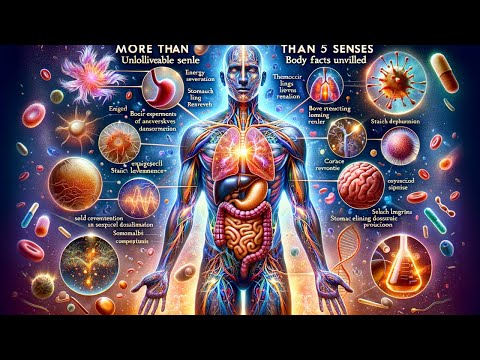
You know that moment when you munch on your favorite snack, and suddenly you realize your body is pulling off some serious magic to turn those cheesy chips into energy? It’s like a mini miracle happening inside you. Seriously!
Human biology is wild! I mean, think about it—your body has this crazy system of organs, cells, and chemicals all working together just so you can binge-watch your favorite shows without a hitch. Ever wondered how all that works?
There’s way more to our bodies than meets the eye. It’s like a super complicated puzzle where every piece plays a role in keeping you alive and kicking. Just imagine how much goes on behind the scenes that we never even think about!
So, let’s dig into this labyrinth of life! Trust me; it’s gonna be eye-opening—and maybe even a little mind-blowing—by the time we’re done with this ride. Ready to explore the inner workings of our amazing selves?
Exploring the Complexity of Human Biology: Insights into the Intricacies of Life Sciences
Human biology is like a super intricate puzzle where all the pieces, from the tiniest cells to entire organ systems, fit together to create life. And believe me, it’s way more complex than you might think! When you start peeling back the layers, you’ll discover some mind-blowing stuff.
First off, let’s chat about cells. They’re the basic building blocks of life. Every single part of your body is made up of these little guys, and they come in all sorts of shapes and sizes. It’s wild to think that there are over 200 different types of cells in your body, each with its own special job. For example:
- Muscle cells help you move.
- Nerve cells, or neurons, transmit signals that keep everything communicating smoothly.
- Red blood cells carry oxygen throughout your system.
This isn’t just a random collection of cell types; they work together in harmony. Imagine them like a well-rehearsed orchestra, each playing its part to create beautiful music—that’s your body functioning as it should!
Now let’s take a closer look at disease. It’s fascinating (and sometimes frightening) how tiny things like viruses or bacteria can throw our whole biological symphony out of tune! Take the flu virus for instance: it’s so small that millions could fit on a pinhead. Yet, when it enters your body, it can wreak havoc by hijacking your cells’ machinery to replicate itself. Your immune system has to jump into action—talk about an intense battle!
The brain is another area where complexity reigns supreme. It’s not just about thinking or feeling; it’s also about how everything connects through neural pathways. This “wiring” allows us to perform tasks automatically—like riding a bike or tying shoelaces—without even thinking about them! And here’s where things get emotional: every time you learn something new or experience something profound, that wiring changes. It reminds me of those moments when I’ve tried something outside my comfort zone and felt the rush of learning—it really does reshape how we think and feel.
Your organs also play crucial roles in maintaining balance within the body—a concept known as homeostasis. For example:
- Your lungs help regulate oxygen levels.
- Your kidneys filter out waste from your blood.
- Your heart pumps blood everywhere at lightning speed!
This balance is constantly shifting due to internal and external factors—like when you’re working out versus lounging on the couch with some snacks! Your human biology adapts without you even noticing most of the time.
An often overlooked but equally fascinating aspect is genetics—the blueprint for who you are. DNA contains all kinds of information that dictates everything from eye color to susceptibility to certain diseases. You could say it’s like an instruction manual for building yourself!
The cool part? Our genetics interact with our environment in ways that shape who we become over time. This means lifestyle choices can influence gene expression—so eating healthy isn’t just good for today; it’s shaping your future self too!
Phew! This barely scratches the surface on the intricate world of human biology but gives you an idea just how complex and amazing this whole life thing really is—and it’s happening right inside each one of us every single day!
Exploring Human Complexity: Examples in Biological and Social Sciences
So, let’s talk about human complexity, shall we? I mean, from our biology to how we interact socially, there’s just so much happening. It’s like opening a big box of puzzle pieces—and each piece tells a story.
First off, when we look at human biology, it gets intricate pretty fast. Think about DNA. It’s basically the blueprint of life. Just picture this: a single drop of blood can hold about 5 million red blood cells and thousands of other cells, full of information on how our bodies function and adapt. Isn’t that wild? Each person’s genetic code is unique; it’s like having your own personal recipe for what makes you… well, you!
Then there’s the nervous system. Oh man, it’s like a high-speed internet network connecting everything in your body. Neurons—those tiny messengers—send signals at lightning speed. A good example is reflexes; when you touch something super hot, your hand pulls back before you even think about it! That quick response helps keep us safe.
Moving into the social side of things, let’s think about how we interact as humans. Our brains are wired for connection; they release feel-good chemicals when we’re around others or even just thinking about friends! Take empathy—it’s this incredible ability to understand feelings from someone else’s perspective which shapes our societies and cultures.
And then there’s language! Like, seriously—how awesome is it that we can communicate complex ideas just through sounds? Whether it’s using words or body language, we’re expressing emotions and thoughts all the time—it forms bonds and builds communities.
In terms of social structures, look at families or communities. They evolve with time and are influenced by factors like culture or environment. You probably have noticed how different friendships bloom in various places; some are casual while others run deep—that diversity reflects our experiences.
And let me tell you about human resilience. We are incredibly adaptable beings. Like during tough times (you know those moments), people often come together to support one another—it shows the strength that lies within our connections.
You see? The interplay between our biological makeup and social behaviors creates this fascinating tapestry called humanity. Each thread is crucial in making up who we are as individuals and as part of greater groups.
So yeah, human complexity is both biological and social—a never-ending story filled with twists and turns that make life rich and colorful!
Exploring the Four Types of Human Biology: An In-Depth Look at the Science of Life
Human biology is a vast and fascinating field. It’s like peeling back layers of an onion, each layer revealing something new and intriguing about our bodies. So, let’s chat about the four main types of human biology. You’ll see how these connect to the big picture of what it means to be human.
1. Cell Biology
At the very foundation of life lies cell biology, or cytology if you want to get fancy with it. Basically, every living thing is made up of cells—tiny building blocks that perform all the essential functions in our bodies. Think of them as little factories working around the clock!
Did you know there are over 200 different types of cells in your body? From blood cells that transport oxygen to nerve cells that send signals throughout your body, each type has its own unique job. And get this: if you stacked all your cells together, they would weigh around 10 trillion tons. Crazy, right?
2. Genetics
Next up is genetics! This is where we dive into DNA—the stuff that makes you, well, *you*. Your genes determine everything from your eye color to how tall you might be someday. Each cell carries a complete set of DNA instructions for building and maintaining your body.
Just for a fun fact: do you remember learning about Mendel’s peas in school? He discovered basic principles of heredity by studying pea plants—talk about a planting ground for genetics! It’s fascinating how those little variations can lead to such diversity among us humans.
3. Physiology
Now let’s move on to physiology, which is really just a fancy term for how our bodies work and function on various levels—from organs down to systems like muscular or nervous systems. Think heartbeats and breathing! Our bodies are constantly balancing so many things at once—like keeping our temperature just right or making sure we have enough energy throughout the day.
Imagine running a marathon; during that time, your body is doing all sorts of things to keep you moving: pumping blood faster, supplying energy quickly… it’s like an orchestra playing in perfect harmony!
4. Anatomy
Last but definitely not least comes anatomy! This field focuses on the structure of our body parts—what they look like and where they’re located. Anatomy gives us insight into how everything fits together like pieces in a puzzle.
Have you ever looked at an atlas? Well, think of anatomy as the road map for your body; it helps us understand not just where things are but also why they matter! Knowing how bones protect organs or how muscles help with movement makes Anatomy super interesting—like being part detective, part scientist!
So there you have it—the four types of human biology are cell biology, genetics, physiology, and anatomy! These fields intertwine beautifully to create the complex lives we lead every single day.
You know what? Next time someone asks about human biology, you’ll have some cool facts up your sleeve! Or at least be able to impress them with more than just “we’re made up of cells.” Pretty neat stuff when you think about it!
Human biology is such a wild ride, isn’t it? On the surface, it might seem like just a bunch of systems and organs doing their thing. But once you start digging deeper, oh man, you realize there’s so much more going on! It’s like peeling an onion—layer after layer reveals something new and sometimes makes you tear up!
Think about it: our bodies are this intricate orchestra. Each system—respiratory, circulatory, nervous—you name it—plays its own tune. But they all have to work together in harmony. Like that time I watched a street performance where musicians from different genres came together to create something beautiful. That’s how your heart beats in sync with your lungs while your brain processes it all! Isn’t that just mind-boggling?
And then there’s genetics! Every single little trait you have—from the color of your eyes to how tall you are—is written in the code of DNA. But what’s wild is that even though we all share 99.9% of our DNA with each other, that tiny difference makes every one of us unique! Imagine if everyone looked exactly the same; life would be pretty boring, right?
But here’s where things get trippy: not everything is set in stone by genes. Environment plays a huge part too! Did you know stress can actually affect how your genes express themselves? It’s like there’s this constant dialogue between nature and nurture shaping who we are.
And speaking of stress… I once had this crazy week where everything seemed to go wrong: work deadlines were piling up, and I was getting sick on top of it all. My body was sending me signals like crazy—aches, fatigue—you name it! It was then I realized just how interconnected everything is. Our emotional health totally influences our physical health.
It takes a bit to wrap your head around how complex human biology really is—a chaotic symphony filled with unexpected solos and harmonies. Just remember that every heartbeat tells a story while each breath connects us closer to those around us; there’s beauty in these complexities if we take a moment to appreciate them!