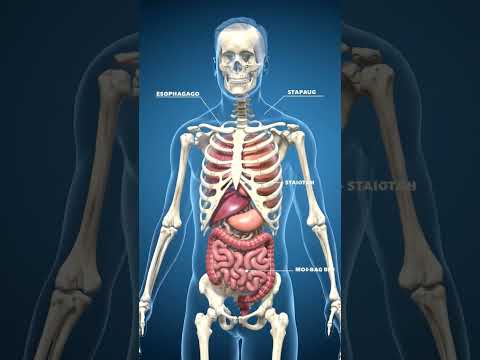
You know how people say that men are all muscle and no brains? Well, it turns out they might not be too far off, at least when it comes to bones!
Seriously, I was reading up on bone structure the other day, and let me tell you, it’s pretty wild. Like, did you know male bones are actually denser than female bones? Crazy, right?
But it’s not just about density. There’s a whole world of complexities that come into play. The shape, strength, and growth patterns of male bones have their own unique quirks.
So, if you’re curious about what makes up those sturdy frameworks we call bones, stick around! You’re in for some interesting stuff that goes way beyond the muscle-talk.
Investigating Sexual Dimorphism: A Scientific Analysis of Male Bone Structure Variations
Alright, let’s talk about sexual dimorphism in bone structures. It’s a fancy term that basically means how male and female bodies differ, particularly in their bones. You know, when you glance at a group of people and see that some are generally taller, broader, or differently shaped? That’s partly due to these variations.
When we look at male bones, several key features often stand out:
- Size and Density: Male bones tend to be larger and denser compared to females. This is primarily due to testosterone, which promotes greater bone growth.
- Brow Ridges: Males often have more pronounced brow ridges on their skulls. These ridges give an indication of age and even evolutionary adaptations.
- Pelvic Differences: The shape of the pelvis is another biggie. Male pelvises are typically narrower and taller than female ones, which are wider to accommodate childbirth.
So why does this matter? Well, understanding these differences can help us in fields ranging from forensic science to anthropology. For instance, if a forensic expert comes across skeletal remains, they can determine whether they belonged to a male or female based on these structural cues.
I remember reading about an archaeologist who found ancient bones in a burial site. By examining the pelvic shape, they could piece together details about the society’s gender roles—like whether certain tasks were divided by sex or how men and women lived differently!
Another reason researchers dig into this topic is health implications. Males might be more prone to certain bone diseases like osteoporosis at different ages than women. So knowing these variations means better treatments down the line—kind of a huge deal for health professionals.
Beyond just physical traits, it also raises questions about evolution. How did these differences develop over thousands of years? And what about cultural factors? They can impact lifestyle choices that ultimately shape our bodies too!
The complexities here are endless! So basically, studying male bone structure gives us insights not just into biology but into history and culture as well. It’s like piecing together a giant puzzle where every bone tells its own story!
Exploring the Strongest Bone in the Human Body: A Scientific Overview
The human body is pretty amazing, right? One of the coolest parts? Our bones! They’re not just there to keep us upright; they actually play a big role in our overall health. So when we talk about the strongest bone in the body, it’s like diving into a mini-adventure of strength and function.
Now, if you dive into the **strongest bone**, you’ll find it’s the femur, or your thighbone. It’s that long bone above your knee, and it’s built to support your entire body weight when you walk or run. No pressure, huh? The thing is, the femur can withstand a lot of force – about **1,800 pounds** of pressure when you’re standing still! Seriously, that’s like having a small car sitting on your leg.
So why is it so strong? Well, it has this cool construction. The femur is not just one solid piece of bone – it’s actually a mixture of dense outer layers and spongy inner layers. This gives it both strength and flexibility. Think about it like building a bridge: if you make it too rigid, it’ll crack; if it’s too flimsy, well then…you know what happens!
But let’s talk about male bone structure for a moment because it’s interesting how male bones tend to be denser than female bones. This density plays into why men generally have stronger femurs compared to women – evolutionarily speaking, men often needed more support for physical activities like hunting or battling back in the day.
Another cool thing about bones is how they adapt over time. If you’re active—like running or lifting weights—your bones respond by becoming denser and stronger. Ever heard of Wolff’s Law? It’s basically saying that bones remodel based on how much stress is put on them. So yeah, keep moving if you want to give your femurs some love!
And remember those little things called osteoblasts and osteoclasts? They are like the maintenance team for your bones! Osteoblasts build new bone tissue while osteoclasts break down old tissue. The balance between these two is super important for keeping bones healthy.
But hey! It’s not just all about strength; we gotta talk health too! Eating stuff rich in calcium (like dairy products) and vitamin D helps keep those femurs solid as a rock. And don’t forget exercise—you know how they say “use it or lose it”? It totally applies here.
So next time someone brings up strong bones at dinner—or better yet during sports—you can totally drop some knowledge about the mighty femur: its strength, its structure, and how important it is to take care of our skeletal systems!
Comparative Analysis of Bone Fragility: Understanding Gender Differences in Skeletal Strength
When it comes to understanding bone fragility, it’s pretty interesting how gender plays a role. You might ask, why does this even matter? Well, bones are crucial for our overall health. They support our bodies, protect vital organs, and give us the ability to move around. So, let’s break down some key points regarding gender differences in skeletal strength.
Bone Density Differences
One of the most notable differences between male and female bones is bone density. Men generally have denser bones than women. This means that men’s bones are stronger and less likely to break under stress. You see, during puberty, males experience a significant increase in bone density due to testosterone. It’s like they get a head start on building a solid framework!
Hormonal Influences
Speaking of hormones, estrogen plays a massive role in female bone health. After menopause, when estrogen levels drop significantly, women become more susceptible to osteoporosis—a condition where bones become weak and brittle. It can be alarming to think about; my grandma went through this and had to be super careful with her movements to avoid fractures.
Skeletal Structure Variations
Another thing is that the skeletons of men and women differ in structure. Men’s bones tend to be larger and more robust overall. This means they might have thicker cortical bone (the outer layer) while women often have more trabecular bone (which is spongier). Think of it like comparing a thick tree trunk with a delicate branch: both serve their purpose but are built differently.
Age Factor
As we age, both men and women lose bone mass, but the rates can vary. Women usually experience a rapid decrease during menopause while men may face gradual loss over time. Imagine this like an old roof—if the tiles start slipping off fast on one side (women), versus losing them slowly on the other side (men).
Lifestyle Choices
Lifestyle choices also contribute significantly to bone health for both genders. Some factors include diet, physical activity levels, smoking habits, and alcohol consumption. For instance:
- A diet rich in calcium and vitamin D can help maintain strong bones.
- Regular weight-bearing exercises strengthen bones.
- Smoking tends to weaken bones over time.
- Excessive alcohol can hinder your body’s ability to absorb calcium.
So if you’re thinking about how you care for your skeleton—consider these choices!
The Big Picture
In summary, understanding how gender impacts skeletal strength is crucial because it helps predict risks for conditions like fractures or osteoporosis down the line. The idea isn’t just about being aware; it’s about empowering yourself with knowledge! Take note of your body’s unique needs based on what we’ve talked about here.
It’s fascinating stuff when you think about it! Bones really tell stories—not just about our physical structure but also how lifestyle choices shape them over time!
You know, when we think about bones, we often picture them just being strong and sturdy, right? But there’s actually a lot more going on beneath the surface—literally! Take male bone structure, for instance. It’s like a hidden world of complexities that might surprise you.
Let me tell you a little story. I remember when my brother broke his arm playing basketball. Watching him go through that whole process was eye-opening. From the x-ray showing the break to the long healing process, I realized how intricate our bones really are. They’re not just these solid blocks; they’re dynamic structures that change over time.
So here’s the scoop about male bone structure. It tends to be denser and larger than female bones, which might seem like a simple fact—but it’s tied to hormones and genetics! Testosterone plays a big role in this. It contributes to greater bone mass and strength in males. That’s probably why guys can sometimes take more physical risks without worrying as much about their bones.
Interestingly enough, this density doesn’t come without its own challenges. Men are often at higher risk for certain types of fractures as they age if they don’t pay attention to their bone health. Think about it: many people assume stronger bones can’t break, but that’s not always true!
Also, did you know that diet and lifestyle choices shape bone health? Calcium is crucial—and not just for young folks or athletes. Eating a balanced diet rich in calcium can significantly impact how strong your bones remain throughout life.
And here’s something cool—bone isn’t static! It’s always remodeling itself through a process called remodeling. Old bone gets broken down while new bone forms; it’s like your bones are constantly juggling between being tough and flexible at the same time.
So yeah, male bone structure is pretty complex when you start peeling back those layers. I mean, isn’t it wild how something so seemingly simple has such depth? Next time you think about bones—maybe after spotting someone with their arm in a cast—you might reflect on all that goes into making them strong enough to support us through life’s ups and downs!