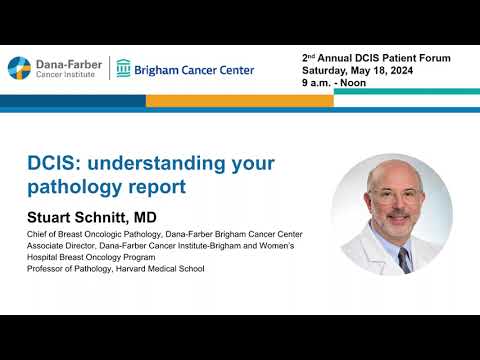
So, funny thing. Did you know that ductal carcinoma in situ (DCIS) is kinda like that weird cousin who shows up uninvited to family gatherings? You spot them, you know they’re there, but they don’t really cause a scene—at least not yet.
DCIS is breast cancer that, for now, hasn’t spread beyond the ducts where it started. Sounds a bit sneaky, right? It’s like cancer trying to keep its cool. Which makes it super crucial to understand what’s going on with it.
You might be thinking: why should I care about some fancy medical term? Well, figuring out DCIS could save lives and change the way we tackle breast cancer down the line.
So grab your comfy chair and let’s unravel this together! It’s all about getting the inside scoop on how pathology sheds light on this condition and maybe—just maybe—pushes us one step closer to smarter solutions.
Comparative Analysis of UDH and DCIS Pathology Outlines in Breast Cancer Research
When diving into breast cancer research, it’s important to understand the differences between UDH (Usual Ductal Hyperplasia) and DCIS (Ductal Carcinoma In Situ). These two conditions often come up in pathology reports, and their implications can be pretty significant.
So, let’s start with UDH. This condition is like a warning light. It shows that there’s some abnormal growth in the ducts of the breast but not enough to be considered cancerous. Basically, it’s your body’s way of saying, “Hey, something’s off here!” Pathologists often look at UDH when they see changes in breast tissue under the microscope. What they notice is an increase in normal cells that line the ducts.
- Typical Features of UDH: The cells usually look normal and aren’t invasive.
- Risk Factor: While it doesn’t mean you have cancer, women with UDH might have a slightly higher risk of developing breast cancer later on.
Now contrast that with DCIS. This is a more serious condition. In DCIS, cells inside the ducts are changing and can look quite abnormal under the microscope. It’s still contained—meaning it hasn’t spread outside those ducts—but it’s definitely regarded as a precursor to invasive breast cancer.
- Characteristics of DCIS: The abnormal cells can multiply rapidly and if left unchecked could invade surrounding tissues.
- Treatment:** Patients often need treatment to prevent progression into full-blown cancer, which can include surgery or radiation.
The pathology outlines for these two are quite different. With UDH, pathologists focus on the overall architecture and cellular characteristics of ductal tissue without finding signs of malignancy. In contrast, with DCIS, the focus shifts dramatically towards identifying specific cellular changes that indicate potential for invasion.
Anecdotally speaking, I once heard about a woman named Sarah who discovered her UDH diagnosis during a routine mammogram. She was anxious but relieved that it wasn’t cancerous. A couple years later though, after monitoring her health closely, she was diagnosed with DCIS when further tests revealed those pesky abnormal cells lurking there! It definitely highlighted how crucial ongoing checks are.
This brings up another key aspect: monitoring! Women diagnosed with either condition usually require follow-ups because even if UDH feels low-risk at first glance—life sometimes throws curveballs your way!
The takeaway here is clear: understanding these conditions not only helps in clinical settings but also gives patients power over their health journeys. Knowledge really is key when navigating through such diagnoses!
Comprehensive Insights into Hypersecretory DCIS Pathology: Implications for Breast Cancer Research
So, you’ve heard of DCIS, right? It stands for Ductal Carcinoma In Situ, and it’s basically a fancy way of saying that some cells in the breast ducts are behaving badly. They’re not yet invasive but have the potential to turn into cancer. Now, when we talk about **hypersecretory DCIS**, things get a bit specific and interesting.
First off, let’s break down what hypersecretory means. In simple terms, it refers to cells that produce an excess amount of certain substances—like mucus or proteins. This overproduction can lead to changes in how the tissue looks and behaves. It’s like when you get a cold and your nose just decides to go into overdrive with mucus production! You see where I’m going with this?
Now, why should you care about hypersecretory DCIS? Well, this particular type can be a bit tricky. It can sometimes mimic more aggressive forms of breast cancer under the microscope. So, if a pathologist isn’t careful, they might mistake it for something it’s not. The implications for breast cancer research are huge because understanding these differences can lead to better diagnosis and treatment strategies.
Let’s take a look at some key points regarding hypersecretory DCIS:
- Diagnosis: Pathologists need to observe the tissue carefully. The increased secretion might change cell appearances and must be distinguished from invasive cancers.
- Risk Factors: Though DCIS is often considered non-invasive, hypersecretory forms may suggest a higher risk for future invasive disease.
- Treatment Options: These cases could affect treatment plans because doctors need to consider the potential aggressiveness of the lesions.
- Research Directions: Studies focusing on this unique form could lead to predictive markers that help identify patients at higher risk.
Here’s something that hits home—imagine someone you love going through breast cancer screening. Finding out they have this kind of condition could feel overwhelming. But here’s where science shines: ongoing research may one day clarify how to treat hypersecretory DCIS effectively or even prevent its progression altogether.
In summary, while hypersecretory DCIS might sound like just another medical term thrown around in pathology labs, its implications are significant for breast cancer research and treatment outcomes. Understanding its nuances plays a critical role in improving patient care and tailoring individualized therapy approaches! So yeah, keeping an eye on these developments is definitely worthwhile!
Understanding Ductal Carcinoma In Situ: Insights from the American Cancer Society
Ductal Carcinoma In Situ, or DCIS, is one of those terms that can sound a bit intimidating, especially if you’re hearing it for the first time. But really, it’s crucial to understand what it means, and how it fits into the broader picture of breast cancer.
So, what’s going on with DCIS? Well, it’s important to know that DCIS is not invasive. This means that the cancer cells are confined to the ducts of the breast and haven’t spread into surrounding breast tissue. Imagine it like this: you’ve got a garden with beautiful flowers (the ducts) and some pesky weeds (the abnormal cells). The weeds are there but haven’t touched the actual flowers yet.
Now let’s break down some key points about DCIS:
- Early Detection: Screening mammograms often catch DCIS early, which is fantastic because early treatment usually leads to better outcomes.
- Risk Factor: Having DCIS can increase your risk of developing invasive breast cancer later on. It’s like a red flag that you need to keep an eye on.
- Treatment Options: Usually, options include surgery (like lumpectomy or mastectomy) and sometimes radiation therapy. It’s all about keeping you safe!
- Complexity: Each case of DCIS can be different. Some might be low-grade, meaning they’re less likely to become aggressive, while others are high-grade and need more serious attention.
You might wonder how this all affects people emotionally. I remember chatting with a friend whose sister was diagnosed with DCIS. She felt a mix of relief that it was non-invasive but also anxiety about what it meant for her future health. It’s perfectly normal to feel overwhelmed when faced with medical jargon and treatment decisions.
Additionally, being informed helps. Seeking second opinions and researching trustworthy sources allows you to feel empowered rather than just swept along by the whirlwind of information and medical choices.
One of the neat things from organizations like the American Cancer Society is their focus on education. They help break down complex topics like DCIS into digestible bits so patients and their families can navigate through this scary territory more easily.
Remember: understanding ductal carcinoma in situ is not just about knowing what it is; it’s also about recognizing your role in your health journey. Stay informed, ask questions—you owe it to yourself!
Ductal Carcinoma In Situ (DCIS) is a term you might have come across if you’ve been near cancer discussions. It’s a type of breast cancer, but don’t let the word “carcinoma” freak you out just yet. Basically, it refers to abnormal cells that are found in the ducts of the breast. The kicker? These cells haven’t spread beyond those ducts, which means they’re contained in one place. It’s kind of like having a party at your house that gets a little rowdy, but you manage to keep everyone inside!
Thinking back to my friend’s mom who went through this diagnosis, it really hits home. She was one of those strong women we all look up to—always cheering us on from the sidelines. When she got diagnosed with DCIS, I remember feeling that pang in my gut; there was fear mixed with confusion because it was hard to grasp what it meant for her future.
You see, the understanding of DCIS has evolved over time, and pathology plays a crucial role here. Pathologists look at tissues under a microscope and help identify whether those pesky cells are indeed cancerous or not—and more importantly, how aggressive they might be. Not all DCIS cases are created equal; some might never progress into invasive cancer while others could potentially become more serious down the line.
And here’s where things get tricky: how do you decide on treatment? Some people may opt for surgery and possibly radiation while others might choose active surveillance—basically keeping an eye on things without immediate treatment. It’s like deciding whether to deal with that loud party right away or just let it simmer down on its own.
But what often flies under the radar is how emotionally taxing this can be—not just for patients but also for families and friends who want to support them. The uncertainty can weigh heavily; will everything turn out okay? You find yourself Googling terms like “DCIS survival rate” way too often—or maybe that was just me!
In short, when we talk about DCIS and its insights from pathology, it’s way more than just medical jargon; it’s about lives being turned upside down and choices being made based on complex information. Every case is unique—every person has their own story—and understanding this delicate balance between medical facts and human experience is key. So next time you hear about DCIS, remember it’s not just statistics; it’s about real people facing real challenges every day.