You know that feeling when you stand up too fast and everything goes a bit wobbly for a second? Crazy, right? Well, that’s kinda like what happens in distributive shock, but on a whole different level!
So, picture this: your blood vessels are having a party, but instead of keeping the blood where it should be flowing, they decide to go wild and get all loosey-goosey. Yup, that’s the gist of it!
Distributive shock messes with how blood travels through your body. This can lead to some serious issues if not caught in time. It’s not just about feeling dizzy; it can put your whole system in jeopardy.
In this little chat about distributive shock pathophysiology, you’ll see how it works and why it matters. Buckle up; it’s gonna be an interesting ride!
Understanding Distributive Shock Treatment: Advances in Medical Science and Therapeutic Approaches
Distributive shock treatment is one of those things that gets pretty technical, but I’ll try to break it down in a way that makes sense. So, let’s start with the basics: what is distributive shock anyway? Well, it’s a type of shock that happens when your blood vessels suddenly widen (like, really wide) and blood pressure drops. This can lead to not enough blood getting to your organs. Not cool, right?
Pathophysiology refers to the changes in the body’s normal functions when something goes wrong. In distributive shock, your body is like: “Whoa! Why are my vessels so lax?” This can be caused by several things, like severe infections (sepsis), an allergic reaction (anaphylaxis), or even spinal cord injuries.
The thing is, when these vessels dilate too much, your heart has to work extra hard to pump blood through the larger space. Imagine trying to fill a big balloon with water while also trying to keep the water pressure steady—it’s tough! If this continues for too long without treatment, organs can start shutting down because they’re not getting enough oxygen and nutrients.
Now let’s talk about treatment approaches. Basically, doctors try to tackle both the cause and the symptoms:
- Fluids: A lot of times, the first step involves giving patients IV fluids. It helps fill up those big blood vessels and raises blood pressure.
- Vasopressors: Sometimes doctors need a little extra help and use medications called vasopressors. These are like tiny little finger-pullers that tighten up those dilated blood vessels again.
- Treating the Underlying Cause: If there’s an infection causing sepsis for example? They’ll whip out antibiotics faster than you can say “emergency.”
What really gets interesting is how medical science has advanced over time in understanding distributive shock. For instance, we now know that early intervention is super key. Research shows that starting treatment quickly can significantly improve patient outcomes.
Another cool thing? There’s been a lot of progress in monitoring methods. Doctors now have access to high-tech tools that help them see what’s happening inside your body in real-time. It helps them make quicker decisions and figure out exactly what needs fixing.
I remember once reading about this kid who ended up in the hospital after an allergic reaction at camp. His friends set off some fireworks—who knew those things could cause such chaos? Anyway, he went into anaphylactic shock pretty fast because his body overreacted. Fortunately, medics acted swiftly with adrenaline and fluids; they reversed his condition just in time!
To wrap it all up—a combination of understanding how distributive shock works and having better treatments means that healthcare providers are better equipped than ever before! That’s pretty hopeful stuff for anyone facing this tough situation if you ask me!
Understanding Obstructive Shock: Mechanisms, Diagnosis, and Treatment in Clinical Medicine
Obstructive shock is one of those medical conditions that, while it might not be the most talked about, is really important to understand. So let’s break it down in a way that makes sense, alright?
First off, what is obstructive shock? Basically, it happens when something prevents blood from flowing properly through your heart or major blood vessels. It’s like having a traffic jam on a busy highway; everything gets backed up. This can lead to not enough oxygen reaching vital organs, which can be super dangerous!
Now let’s talk about its **mechanisms**. There are a few key culprits here:
- Pulmonary embolism: This is when a blood clot travels to the lungs and blocks a pulmonary artery. Imagine it as a big ol’ roadblock!
- Tension pneumothorax: This occurs when air gets trapped in the chest cavity and puts pressure on the lungs and heart. It’s like trying to breathe with an elephant sitting on your chest.
- Cardiac tamponade: Here, fluid builds up around the heart, making it hard for it to pump effectively. Think of wrapping your heart in too many layers of thick blankets—eventually, you can’t move!
So now that we know what obstructive shock is and how it works, let’s get into how it’s diagnosed. Doctors rely on a mix of symptoms and tests:
- They often start with clinical examination, looking out for signs like rapid heartbeat and low blood pressure.
- Imaging studies<!–: Techniques such as ultrasound or CT scans help visualize issues like fluid around the heart or clots in the lungs.
- Blood tests: These can check for signs of strain on your organs or any clotting issues.
Now onto treatment! The approach typically depends on what’s causing the obstruction. Here’s how that usually goes:
- If it’s a pulmonary embolism, doctors might use anticoagulants (blood thinners) or provide treatments like thrombolysis to dissolve clots.
- For tension pneumothorax, they often perform decompression using a needle or place a chest tube to let trapped air escape.
- If cardiac tamponade is at play, doctors generally drain the fluid with surgical interventions.
It’s pretty wild how each cause requires its own specific response!
To wrap this up: understanding obstructive shock isn’t just for healthcare professionals; it’s beneficial for everyone! Knowing how these mechanisms work helps us appreciate why acting quickly is so crucial in emergencies. Rapid diagnosis and treatment could mean all the difference between life and death—like fixing that traffic jam before rush hour hits!
Exploring the Different Types of Distributive Shock: Insights from Medical Science
Sure thing! Let’s break down distributive shock and its different types in a way that feels relatable.
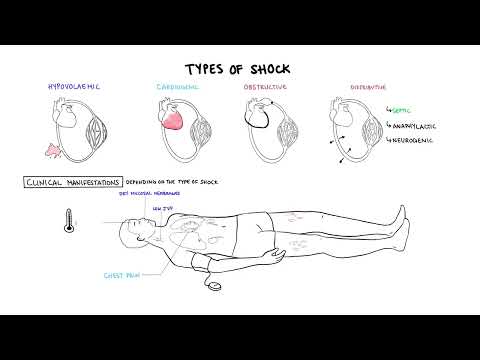
Distributive shock is when your blood vessels widen too much, leading to a drop in blood pressure. It’s like trying to fill a big swimming pool with just a garden hose: no matter how hard you try, there’s not enough water in the right place to make it work.
There are three main types of distributive shock:
- Septic Shock: This happens when an infection spreads throughout the body. Think about someone who has a bad infection that leads to their immune system going haywire. The body releases substances that cause widespread inflammation, dilating blood vessels and causing low blood pressure.
- Anaphylactic Shock: This one’s triggered by severe allergic reactions. Imagine you bite into something you’re allergic to—like nuts or shellfish—and suddenly your body decides it’s under attack. Histamines flood your system, and boom! Blood vessels expand too much, and you can’t get enough blood flow where it’s needed.
- Neurogenic Shock: So this type happens when there’s damage to the spinal cord or brain that disrupts normal signals. Picture an electrical outage messing up all the streetlights; without proper signals, the blood vessels can get confused and widen out of control.
Each type has unique causes but leads to similar outcomes: decreased blood flow to organs, which can be super dangerous if not treated quickly. Remember that time you felt lightheaded after standing up too fast? That was hypovolemic shock on a tiny scale—your brain didn’t get enough blood for a moment. But with distributive shock, it can be way more serious.
It’s important to recognize some signs if someone might be experiencing this kind of shock:
- Pale or clammy skin
- A weak pulse
- Rapid breathing or confusion
These symptoms happen because as blood pressure drops, organs aren’t getting what they need—like oxygen—so they start acting up.
The treatment varies depending on the cause but typically involves fluids and medications to constrict those overly relaxed blood vessels back down to size. Think of it as adjusting your garden hose again so it gets the water where it’s needed most.
In short, understanding these types of distributive shock helps healthcare providers act fast—they know what they’re dealing with and can intervene properly before things get worse. And honestly? That makes all the difference when someone’s life is on the line!
Okay, so let’s chat about distributive shock. It’s a pretty heavy topic, but it’s super interesting when you break it down. Picture this: you’re out enjoying a sunny day, maybe at a park with friends, and all of a sudden one of them faints. You rush over to help, and that moment of panic kicks in. What’s happening? Well, distributive shock could be part of the picture—your friend’s blood vessels might be too relaxed or widened, causing blood pressure to drop dangerously low.
So what exactly is going on in the body? Basically, distributive shock happens when something messes with the normal distribution of blood flow. It can happen because of sepsis—a severe infection where your body goes into overdrive—or from allergic reactions where blood vessels just kind of freak out and expand. When the vessels are too dilated, it can feel like your blood just doesn’t know where to go or how to get there efficiently.
You can see how this would spell trouble! You’re losing that vital oxygen delivery to organs that need it. The body starts sending out alarms—think of it as your internal emergency sirens blaring away—but sometimes those alarms can get drowned out in the chaos of what’s happening.
It’s not just about knowing the mechanics either; understanding this adds a human side to things. I remember hearing about a young man who got diagnosed with septic shock after a routine procedure went south. He was experiencing all those symptoms we mentioned—feeling faint, cold sweats—and it took quick thinking from his team to stabilize him. What an emotional rollercoaster for everyone involved!
The implications here are huge. If you recognize early signs of distributive shock—like confusion or extreme fatigue—you can act fast and save lives. It’s like being part detective and part superhero in those moments when every second counts. So as complex as the science can get—and trust me, it can be quite the maze—the core idea is understanding how our bodies respond under stress and that there’s always hope if we act quickly enough.
In short, while distributive shock involves some pretty complex mechanisms behind the curtains of our physiology, at its heart is a simple message: If we understand what’s happening under pressure, we might just help someone breathe easier again one day!