You ever had a moment when you realize just how much your liver does for you? Like, one time I was munching on a burger and fries, totally oblivious to the fact that my liver was working hard to process all that deliciousness. Seriously, it’s like the unsung hero of our body.
But here’s the deal: our livers can get pretty grumpy if we don’t take care of them. They’re involved in everything from detoxing our blood to storing energy. When things go sideways, it can cause some major health hiccups.
So, what exactly happens when your liver isn’t feeling its best? There are mechanisms at play that can mess with your whole system. And understanding these isn’t just for med students or those super smart folks; it actually affects all of us in one way or another.
Let’s unpack this together! You’ll see how important this big ol’ organ is and why keeping it happy should be on our priority list.
Exploring the Vital Roles: 10 Essential Functions of the Liver in Human Physiology
Sure thing! Let’s unravel the amazing world of the liver and its essential roles. Honestly, it’s a fascinating organ that does so much for us every single day. So, here we go.
The liver is like the body’s superhero, juggling a ton of important functions all at once. It weighs about three pounds and sits under your ribs on the right side of your belly. Can you believe its size compared to everything it does? Let’s break down some of those crucial tasks it handles:
- Detoxification: One of the liver’s main jobs is to detoxify substances. Think about all those extra chemicals we consume—food additives, alcohol, or meds. The liver breaks them down and removes harmful substances from your blood.
- Metabolism: This organ plays a huge role in how your body processes fats, proteins, and carbohydrates. It converts glucose into glycogen for energy storage. Imagine if you couldn’t turn food into energy—yikes!
- Protein Synthesis: The liver makes most of the proteins your body needs for blood clotting and other functions. So when you get a cut, you can thank your liver for helping stop that bleeding by producing fibrinogen.
- Bile Production: Ever heard of bile? It’s produced in the liver and stored in the gallbladder until needed to digest fats in our meals. Without bile, digesting that delicious pizza would be way harder!
- Nutrient Storage: The liver stores vitamins and minerals like A, D, E, K, and B12—it’s kind of like a pantry for nutrients! This storage helps ensure that if your diet slips up occasionally (you know what I mean), you still have reserves to keep you healthy.
- Blood Regulation: Believe it or not, the liver regulates blood volume by helping maintain fluid balance. It can adjust blood flow depending on what your body needs at any given moment—a bit like an awesome traffic cop!
- Cholesterol Management: The liver produces cholesterol which is vital for making hormones and vitamin D. But too much cholesterol can lead to health problems—so this function is all about balance.
- Cleansing Your Blood: The liver filters out toxins from your bloodstream through specialized cells called Kupffer cells. They gobble up pathogens like bacteria—you could say they’re little cleaners doing their job 24/7!
- Purifying Alcohol: If you enjoy an occasional drink (or more), here’s where the liver comes in: it metabolizes alcohol into less harmful substances before it affects other parts of your body.
- Amino Acid Conversion: Sometimes proteins break down into amino acids during digestion. The liver then converts these amino acids into different types based on what your body needs at any moment—essentially adapting to meet demand.
Now, just think back to a time when you might’ve felt sluggish or even sick after partying too hard or eating something sketchy—but eventually bounced back! That resilience often comes down to this incredible organ working overtime behind the scenes.
So yeah, while we often take our livers for granted compared with other organs like our hearts or brains, they really are MVPs when it comes to keeping us alive and kicking! Just remember: taking care of this hardworking buddy means living life to its fullest without hiccups along the way!
Comprehensive Overview of Liver Physiology: Downloadable PDF Resource for Scientific Study
Liver physiology is a fascinating topic. The liver, you see, is like the body’s chemical factory. It handles a ton of essential tasks that keep us ticking along nicely.
The Basics of Liver Function
So, what does the liver do? Well, it processes nutrients from our food. After you munch on something, your intestines break it down and send nutrients to the liver. Here, it acts kind of like a sorting office. The liver decides which nutrients to store, what’s to be used right away, and what should be sent off to other parts of the body.
Now think about toxins – yeah, those not-so-friendly substances we might encounter in our environment or even from our diets. The liver detoxifies them. Enzymes within the liver break these bad boys down so they can be safely eliminated.
Key Functions
When talking about liver physiology, there are some critical functions you should know:
- Metabolism: This includes carbohydrates, proteins, and fats.
- Synthesis: The liver makes important proteins such as albumin and clotting factors.
- Detoxification: It cleans blood by removing drugs and other toxins.
- Bile Production: Bile helps digest fats and absorb fat-soluble vitamins.
Now let’s picture this: You eat a fatty meal—pizza sounds great! Your body works hard to break it down. Here comes bile! Produced by the liver and stored in the gallbladder, bile emulsifies those fats so enzymes can jump in and help digest them better.
Liver Pathophysiology
When everything’s working smoothly—awesome! But if things go wrong? That’s where liver pathophysiology comes into play. It deals with how diseases affect these normal functions.
For instance, conditions like cirrhosis happen when scar tissue replaces healthy tissue over time due to factors like heavy drinking or chronic hepatitis infections. This scarring messes with blood flow through the liver and can lead to severe complications.
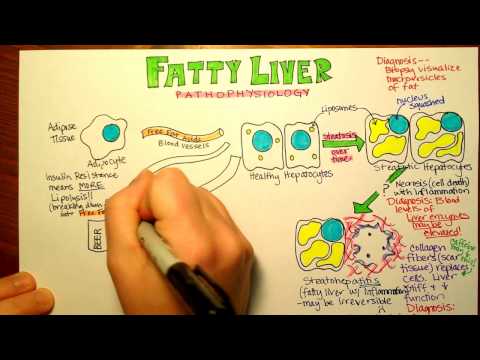
Another example is fatty liver disease. It’s when excess fat builds up in your liver cells—often related to obesity or diabetes—and it can lead to inflammation or even cirrhosis if unchecked.
The Implications for Health
The implications here are huge! When your liver isn’t happy, your whole body can suffer too. Imagine feeling tired all the time or having digestive problems because your body’s sorting factory is jammed up with toxins or fat instead of doing its job right!
Here’s a thought: Think about how important regular check-ups are for keeping tabs on your liver health—especially if you have risk factors like high alcohol intake or obesity.
Keeping all this info in mind could help you appreciate just how vital this organ is! If you’re diving into research on this topic or want more detailed insights about specific conditions affecting the liver, there are plenty of downloadable resources out there that go deeper into both normal physiology and pathophysiology.
And remember: being proactive about your health can help keep your trusty factory running smoothly for years to come!
Exploring the 20 Essential Functions of the Liver: A Comprehensive Overview in Human Biology
You know, the liver is one of those organs that doesn’t get enough credit. It’s like the underrated hero of your body, quietly doing a million things while you go about your day. Seriously, if we had a liver appreciation day, I’d be the first one to party!
So, let’s get into the nitty-gritty of what this remarkable organ does for us. Here are some of its key functions:
- Detoxification: The liver helps filter out toxins from your blood. You can think of it as a security guard at a concert; only good things get in!
- Metabolism: It plays a major role in breaking down carbohydrates, fats, and proteins. Basically, it converts what you eat into energy that your body can use.
- Bile Production: The liver produces bile, which is essential for digesting fats. You could say it’s like soap for your intestines—helping to break things down.
- Storage: It stores important nutrients like vitamins A, D, E, K and minerals such as iron and copper. Imagine it as a pantry for your body!
- Synthesis of Proteins: The liver makes many proteins needed for blood clotting and other functions. Kind of like a factory producing important goods!
- Regulation of Blood Sugar Levels: After you eat, the liver helps keep your blood sugar levels balanced by storing excess glucose as glycogen.
- Cholesterol Management: It regulates cholesterol levels by converting it into bile acids or using it to make hormones and vitamin D.
- Lipid Metabolism: The liver breaks down fats and converts them into energy or stores them away for later use.
- Amino Acid Conversion: It transforms amino acids into other amino acids or even glucose if the body needs more energy.
- Bilirubin Processing: The liver processes bilirubin—a breakdown product of old red blood cells—helping to maintain healthy skin color and eye health.
- Hormonal Regulation: It modifies hormones such as insulin and cortisol to keep them balanced in our bodies.
- Kupffer Cells Activity: These specialized cells in the liver help fight infections by breaking down pathogens that enter through the bloodstream.
- Cleansing Blood: As blood passes through the liver, it’s filtered to remove debris and bacteria before returning to circulation.
- Synthesis of Clotting Factors: Important proteins that help stop bleeding are made here; no one likes bleeding out during an injury!
- Aging Red Blood Cell Breakdown:The liver plays a role in recycling components from old red blood cells so they can be reused effectively.
- Nutrient Metabolism:You consume tons of nutrients but what you really need is how those nutrients break down—yep, that’s on the liver too!
- Purple Die Removal & Repair :It also helps remove purple die from heme degradation during repair processes after injuries or surgeries
One time I had this awful hangover after a wild night out with friends. I remember lying on my couch thinking about how my poor liver was working overtime trying to detoxify everything I drank. That experience made me appreciate how hard my liver works every day—even when I might not treat it right.
But let me tell ya—if this vital organ gets overloaded with unhealthy habits such as excessive drinking or junk food munching, things can take a turn for the worse! Liver diseases can develop over time due to stress on this hardworking organ.
So next time you’re grabbing dinner or enjoying some drinks with friends, just take a moment to give your liver some love. After all, keeping it happy means keeping yourself happy!
The liver, you know, is like this unsung hero of our body. I mean, it’s working hard all day long, filtering out toxins, making important proteins, and even storing energy! It’s a multitasker for sure. But when things go off the rails with the liver, that’s when we dive into the wild world of liver pathophysiology.
Now, let’s break this down a bit. Basically, pathophysiology is about how things go wrong in the body—like when your favorite gadget just stops working for no reason. With the liver, there are a bunch of reasons it can struggle. Think infections like hepatitis or conditions like fatty liver disease. Sometimes it’s about damage from alcohol or drugs that just wreak havoc on those little cells.
I remember once talking to an old friend who had some serious liver issues. It was heartbreaking to see him tired all the time and dealing with those medical appointments. And he told me how he had no idea at first that his love for Friday night drinks was taking a toll on his health. It really hit home to see how easily something common could lead to serious trouble.
So what actually happens? When liver cells get damaged or inflamed—like from too much fat or alcohol—their ability to function gets messed up big time. They can’t detoxify stuff right; they can’t produce proteins properly; sometimes they even start acting out and forming scars in a process called fibrosis. That can lead to cirrhosis if things get really bad! And trust me; that’s not where you want to end up.
And here’s where it gets interesting: these mechanisms have real implications for our health beyond just the liver itself! When your liver isn’t functioning well, it affects pretty much everything else—like your metabolism and even your immune response. Suddenly that routine check-up could uncover issues in circulation or weight management that you never thought were related.
But here’s the thing: understanding these mechanisms isn’t just for doctors or researchers in white coats—it matters for everyone! Knowing how to care for your liver by eating right and avoiding harmful substances can totally change your life trajectory.
So yeah, next time you’re munching on something greasy or pouring yourself another drink thinking it’s all good fun, maybe consider what your trusty liver is going through behind the scenes. Because taking care of it? It could be one of the best things you do for yourself!