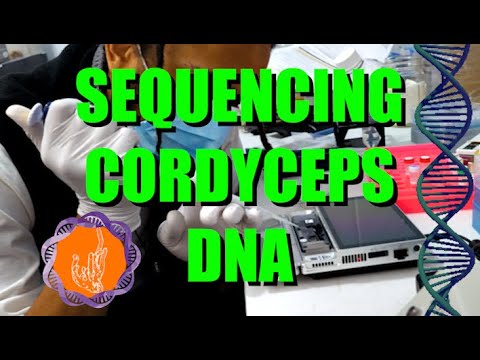
You know that time when you got a little too curious about your ancestry? Like, what if you could actually piece together your family history without going through endless boxes of old photos and awkward family dinners? Well, here’s a cool twist: DNA sequencing at home is becoming a thing!
I mean, imagine sitting in your pajamas one Saturday morning with a kit that lets you dive into your genetic makeup. Sounds like something out of a sci-fi movie, right? But seriously, this is where we’re at now.
Citizen scientists can now get their hands on their own DNA data like never before. This isn’t just for the lab coats and goggles crowd anymore. It’s for all of us curious folks who want to explore the mystery of our genes from our living rooms.
So, grab that cup of coffee and let’s unravel this exciting wave of genetic curiosity together!
Revolutionizing Field Research: The Impact of Portable DNA Sequencers in Modern Science
Imagine you’re out in the field, maybe hiking through a lush forest or exploring a coastal tide pool, and you come across a cool organism. It’s all kinds of exciting, right? Well, what if I told you that with just a portable DNA sequencer in your backpack, you could uncover its genetic secrets on the spot? Sounds like sci-fi, but it’s becoming real.
Portable DNA sequencers are changing the game for field research. These little devices let scientists analyze genetic material quickly and efficiently. This means they can gather data without having to lug samples back to the lab for processing. Seriously, it’s like having a mini-lab at your fingertips!
One major advantage is speed. In the past, sequencing could take days or even weeks. But with these handy gadgets, researchers can get results in hours. Imagine being able to identify new species or detect diseases almost instantly while you’re still out there in the wild! That’s pretty revolutionary.
Another huge factor is accessibility. You don’t need to be a high-tech lab wizard anymore; anyone can use these tools. Citizen scientists—like volunteers who want to contribute to real research—can join in too. For example, if you’re part of a community science project monitoring local wildlife or ecosystems, having access to DNA sequencing means you can contribute valuable data without waiting for seasoned professionals.
But how do these devices actually work? Well, they use techniques like nanopore sequencing, which reads DNA strand by strand as it passes through tiny pores in a membrane. It’s kind of like reading music notes one at a time as they flow through your fingers! Each sequence gives information about an organism’s genetic makeup.
Plus—and this is key—you can share data immediately with research communities online. This not only speeds things up but also creates collaborative networks of knowledge sharing. Just think about it: global collaboration from every corner of the world happening because we all have this tech at our disposal!
Now let’s talk about impact! In terms of modern science and conservation efforts, having access to quick DNA analysis is invaluable. For instance:
I remember reading about a group of amateur biologists who documented frog populations in their local wetlands using portable sequencers. They found out that some frogs were carrying pathogens that could threaten other species! Their findings prompted local officials to step up conservation measures before it was too late.
So basically, portable DNA sequencers are bridging gaps between traditional research and everyday exploration. They’re empowering citizen scientists and making complicated genetic analysis more approachable than ever before! It’s amazing how technology is transforming our understanding of biology right at our fingertips—and sometimes even on our hikes!
Understanding Portable DNA Sequencer Prices: A Comprehensive Guide for Researchers and Institutions
Alright, so let’s get into the nitty-gritty of portable DNA sequencer prices. It’s a super cool topic, especially with all the buzz around citizen science and DIY biology these days. If you’re curious about what these gadgets cost and why it matters, let’s break it down.
First off, portable DNA sequencers can vary wildly in price. You might stumble upon options from a few hundred bucks to tens of thousands. Why such a huge range? Well, it all comes down to their capabilities and technology.
- Basic Models: These are usually at the lower end of the spectrum. They can cost around $500 to $2,000. They might not give you super high-resolution data but are great for straightforward projects. Think about them like entry-level cameras—good enough for some fun shots, but not quite ready for the professional world.
- Mid-Range Devices: Expect to spend between $3,000 and $10,000 here. They offer better accuracy and speed than basic models. This price point usually caters more toward universities or labs that want dependable results without breaking the bank.
- High-End Sequencers: These bad boys can go anywhere from $10,000 up to nearly $100,000! They’re used in advanced research settings where precision is crucial. Imagine using a top-of-the-line DSLR compared to your phone—there’s just no comparison in quality!
Now you might be thinking: “Are there hidden costs?” Oh yes! And they can sneak up on you. Aside from the initial purchase price, you need to consider maintenance and reagents—those chemicals used during sequencing—which can add up quickly.
For instance, if you decide on a mid-range sequencer that needs specific kits for sample prep costing several hundred dollars each time you run an analysis? Well, that budget can swell if you’re not careful!
Also, keep in mind training costs as well. Not everyone knows how to run one of these things right out of the box! If you’re buying as an institution or team project, budgeting some cash for training sessions is definitely wise.
The emerging trend of citizen scientists has made this market even more interesting too! People like you or me—just curious individuals wanting to explore biology—can now access tools previously only found in high-tech labs. This democratization sparks creativity and innovation but does challenge pricing structures as demand shifts.
A quick anecdote: I remember hearing about a local high school that pooled resources together—parents pitched in—and they bought a basic portable sequencer for their biology club. The kids were able to analyze local plant samples and even track genetic diversity among urban trees! Talk about inspiring future scientists!
So yeah, understanding prices means looking at what fits your goals too—not just your budget. Whether you’re part of an institution or taking your first steps into DIY biology at home (how cool is that?), there’s something available for various needs and pockets.
In short: check out specifications against what you want to achieve before diving in financially; watch out for those extra costs; and don’t forget—the exciting world of genetics is becoming way more accessible every single day! And who knows? Maybe you’ll be next on the journey exploring DNA in ways we never thought possible!
Affordable DNA Sequencers: Advancing Scientific Research Without Breaking the Bank
Affordable DNA sequencers are changing the game in scientific research. Imagine being able to analyze DNA right from your home. It’s not just a dream anymore; this is becoming a new reality for citizen scientists everywhere.
So, what’s the deal with these affordable sequencers? Well, technology has made significant advances in recent years. The cost that once kept many labs from diving into DNA sequencing has come down drastically. This makes it way easier for schools, small labs, and even hobbyists to get involved in real scientific work.
One of the coolest things about these devices is how they allow people to contribute to science without needing a PhD or years of experience. Just think how empowering that is! With an affordable sequencer, you can investigate everything from genetics to microbiology in your living room. It’s like having a mini lab at home!
You might be wondering how this actually works. DNA sequencing breaks down the genetic code into smaller pieces so we can read it—and nowadays, machines can do this quickly and accurately. For example, several companies now sell handheld devices that cost less than some smartphones but pack powerful sequencing capabilities.
There are some challenges too, though—like data analysis and interpretation—but there are plenty of resources online where you can learn those skills as you go along. Plus, when lots of people start using these tools, sharing knowledge becomes easier through online communities and forums.
Think about all the exciting potential! Imagine a neighborhood where everyone is investigating local biodiversity or studying inherited traits in plants or pets. You could uncover something unique about your area or contribute valuable information to larger scientific projects.
In summary, affordable DNA sequencers make high-quality science accessible for everyone, not just those in big universities or research institutions. This democratization of science invites more participation and excitement around genetics while breaking down barriers that previously held back potential discoveries.
The future looks bright for citizen scientists as they take their adventures into their own hands—literally! Isn’t it amazing what we can do when science is within reach?
Imagine you’re sitting on your couch, scrolling through social media when you stumble upon a post about DNA sequencing kits that promise to let you peek into your genetic blueprint from the comfort of home. At first, it sounds kinda sci-fi, right? But, here we are in this age where anyone can be a citizen scientist. It’s like having superpowers!
So, let’s unpack this a bit. DNA sequencing has traditionally been this super complex and expensive process limited to fancy labs and big institutions. You might picture scientists wearing lab coats, surrounded by fancy equipment and mysterious machines—literally out of a movie. But now, things are changing. You can buy a kit online and start exploring your own genetics without breaking the bank.
The other day I was chatting with my friend Sarah about her ancestry. She found out she had some surprising roots thanks to one of these kits! Like, she had no idea her family tree included roots from a totally different continent! It really made her feel more connected to her past, you know? That’s what makes this whole citizen science thing so cool—it’s not just about research; it’s personal too.
And let’s talk about accessibility for a second. With these home kits, you’re not just sitting on the sidelines anymore; you’re actively participating in science. You can contribute data to larger studies or even help with projects that look at genetic diseases or traits in different populations. It’s like being part of something bigger than yourself!
Of course, it’s not all rainbows and butterflies. There are ethical questions too—like privacy concerns when it comes to sharing your genetic data and what companies might do with that information down the line. It’s super important to think critically about how we navigate this new territory.
But still! The excitement around DIY DNA sequencing is undeniable. It empowers people to explore their identities while contributing valuable info that could help scientists understand human genetics better. And isn’t that just awesome? So next time you see one of those kits online, think about what it could mean—not just for you but for science as a whole. The future looks bright for us amateur scientists!