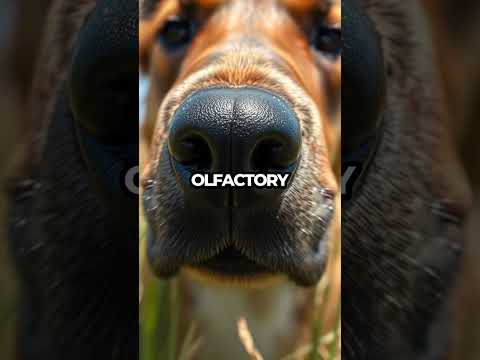
You know what’s wild? Dogs can sniff out certain medical conditions way better than we can. I mean, seriously, a dog could potentially detect cancer just by smelling someone’s breath!
It got me thinking about their noses. Have you ever looked at a dog and just thought, “Man, your nose is like a superpower”? Those wet little snouts are more than just adorable—they’re packed with all sorts of fascinating science.
So let’s chat about the anatomy of dog noses. It turns out that they’re basically gourmet smell detectors. With about 300 million scent receptors, dogs experience the world in a totally different way than we do.
Stick around! You might find yourself appreciating that furry friend of yours even more after this little exploration into their sniff-tastic abilities.
The Science Behind Canine Nasal Anatomy: Understanding the Unique Shape of Dogs’ Nostrils
Dogs’ sense of smell is seriously impressive. Like, they have an incredible ability to detect scents that we humans can barely even imagine. You know how you can get a whiff of freshly baked cookies from across the house? Well, dogs can sniff out things like a single drop of blood or even a specific person in a crowded park! This all comes down to their unique nasal anatomy, which is shaped and designed for optimal scent detection.
First off, let’s talk about those nostrils. Unlike humans, dogs have these really nifty, flexible nostrils that help them take in more air. When dogs inhale, their nostrils act kind of like a vacuum cleaner. The air flows in and hits the intricate folds inside their noses. This design helps separate the air into different pathways: some goes to their lungs while most goes to the olfactory receptors. This is super important because those receptors are what actually pick up on scents.
So, what makes a dog’s nose so fascinating? Here’s where it gets really interesting:
- Surface Area: A dog’s nose has an enormous surface area compared to ours. In fact, it’s covered with millions of scent receptors—humans have about 5 million while dogs can have up to 300 million!
- Moisture: The wet surface of a dog’s nose helps capture scent particles better. Think about it: when something’s wet, it’s generally easier for things to stick to it—and that’s exactly what happens here!
- Nasal Turbinates: These are bony structures inside the nose that support tissue and help filter and warm the air as they breathe in through their nostrils.
When you see your dog sniffing around intensely—it’s like they’re gathering information from the world around them! Each new smell tells them something different—maybe there was another dog nearby or maybe someone left treats behind during their walk. Fun fact: some studies suggest that dogs can even differentiate between human emotions based on scent alone!
It also matters how dogs exhale. When they breathe out, they don’t just release all that air haphazardly—oh no! Their nostrils close slightly so they can push out just enough air without losing all those wonderful smells they’ve just inhaled.
And let me share a little personal anecdote: I once had this golden retriever named Max who would get giddy whenever we’d take him out for walks. And honestly? Some days I think he knew where every other pup had marked their territory well before we ever arrived there! Watching his little sniffer go into action was pure magic; it was as if he had his own map made solely from scents.
To wrap things up (not too tightly because dogs love freedom!), understanding how unique canine nasal anatomy functions shines light on why our furry friends are such amazing companions—and working partners for tasks like search-and-rescue efforts or detecting illness in humans. Their noses are not just cute—they’re scientifically remarkable!
The Canine Nose: Exploring the Science Behind Dogs’ Most Powerful Sensory Organ
So, let’s chat about dogs and their noses. You know, when it comes to their senses, a dog’s sense of smell is like a superpower. Seriously! While you might pick up on a whiff of dinner cooking from the kitchen, your furry friend is sniffing out scents that are light-years beyond our ability to detect.
The anatomy of a dog’s nose is really something special. It’s not just about the cute shape; there’s a whole lot going on inside. First off, dogs have an incredible number of scent receptors—like about 300 million, compared to our measly 5 million! This means they can differentiate between smells way better than we can.
You see, the dog’s olfactory system includes two major parts: the olfactory bulbs and the retronasal olfactory pathway. The olfactory bulbs are responsible for processing all those scent signals they catch. They’re much larger in proportion to their brain size than in humans. Imagine your brain being mostly a computer for smells—pretty mind-blowing, right?
- The Jacobsen’s organ, or vomeronasal organ, is another cool feature. It helps them detect pheromones and other chemical signals that we can’t even fathom!
- The nasal cavity in dogs has folds and turbinates which help trap and differentiate scents—kind of like an intricate maze for smells.
- When dogs sniff around, they actually bring air into their mouths as well as their noses to get even more information from those scents.
Think about when you take a deep breath and smell flowers in springtime; it’s nice but kinda one-dimensional. For dogs? It’s like flipping through channels on TV—they’re picking up layers of information with every breath.
But how does this play out in real life? Well, have you ever noticed how excited your dog gets when you come home? They’re not just happy to see you; they’re catching up on everything that’s gone on by sniffing you. They can tell where you’ve been—even who you’ve been with—just by smelling! It’s like reading a personal diary written in scents!
This amazing capability isn’t just useful for tracking their humans or reveling in grass smells; it also makes them phenomenal working partners! Dogs have been trained for detection work, like searching for drugs or explosives, finding missing persons, or even detecting diseases like cancer through scents emitted by our bodies that we can’t even notice.
The science behind this is all about how different odors correspond to specific chemical compounds found in what they’re smelling. A dog’s nose can detect certain compounds at incredibly low concentrations—a trillion times lower than what we can sense! This sensitivity means they play crucial roles in various fields: they’re used by law enforcement agencies and rescue teams all around the world!
So next time your pooch sniffs at the ground as if they’ve found something fascinating—or maybe just some interesting grass—they’re not merely indulging their curiosity; they’re engaging with the world differently than we do. Their sense of smell allows them to interact with their environment on a level that constantly amazes those who study canine behavior.
Your dog’s nose? It’s not just an adorable feature; it’s basically a finely-tuned sensory device helping them explore life one scent at a time!
The Science Behind the Extraordinary Power of Dogs’ Noses: Exploring Canine Olfactory Abilities
So, let’s talk about dogs’ noses. Seriously, have you ever thought about how amazing those snouts are? Like, your pup can sniff out a treat buried deep in the backyard, or find its way back home miles away just by following a scent. That’s not just luck—there’s some wild science behind that!
First off, let’s get into the anatomy. A dog’s nose has about 300 million olfactory receptors. In comparison, humans only have around 5 million. So basically, when it comes to smelling stuff, dogs are like superheroes! Their noses have specialized structures called turbinates which help process smells and keep the air moist as they inhale.
When a dog sniffs something interesting, it’s not just a basic inhale. They’re doing this cool thing where they separate air into two pathways. One route goes straight to their lungs for breathing while the other goes to that fancy olfactory bulb in their brain. This helps them analyze all sorts of scents at once! Pretty neat, huh?
Dogs also have a special organ called the vomeronasal organ (or Jacobson’s organ) tucked away up in their nasal passages. This little gem helps them detect pheromones—those chemical signals that can tell them if another dog is nearby and what mood that dog might be in. Imagine if we could smell emotions!
But wait—there’s more! A dog’s sense of time is also tied to its sense of smell. Scents can linger in the environment for hours or even days after something has happened or been there. So when your pup follows their nose back to an old spot where another dog marked its territory last week? They’re using that powerful sense of smell to piece together a past moment!
Now, it gets even cooler. Dogs can actually be trained to detect certain diseases through scents as well! For instance, some dogs are amazing at sniffing out cancer cells or even detecting low blood sugar levels in diabetics through their owner’s breath or sweat. It’s like they’re tiny medical detectives!
And yeah, not all breeds sniff with the same intensity—some breeds like Bloodhounds and Beagles are known for having superior smelling abilities because they were bred specifically for tracking scents.
In short: dogs’ noses aren’t just cute; they’re scientific marvels packed with incredible capabilities! It’s no wonder people say that dogs are man’s best friend—they bring together both companionship and some mind-blowing natural talents right under our noses… literally! So next time you see your furry friend sniffing around with those big eyes and floppy ears, remember: there’s an entire world of smells waiting just for them.
Dog noses are like nature’s little miracles, don’t you think? I mean, have you ever just watched a dog sniff around? It’s like they’re on a whole other level of existence, exploring scents that we can only imagine. When I had my labrador, Max, he would lose his mind over the smell of a hot dog stand from blocks away. I remember thinking how incredible it was that he could pick up on things I couldn’t even fathom.
So here’s the cool part: dog’s noses are super complex! You know how our noses have about six million scent receptors? Well, dogs? They have somewhere around 300 million! Can you imagine? That means they can detect smells at unbelievably low concentrations. If there was a tiny amount of peanut butter in the next room, trust me—your pooch would know about it before you even opened the jar.
Then there’s their wet nose. Ever wonder why dogs have that moist snout? Well, it helps them absorb scent molecules! Their noses are kind of like sponges for smells. The moisture captures all those delightful scents floating around, making it easier for their brains to process what they’re sniffing out. Seriously, if only we had that kind of capability!
But wait—there’s more! The anatomy is wild too; their nostrils are split and can move independently. This means they can literally pinpoint where a smell is coming from, almost like having built-in GPS for aromas. Can you picture your dog racing towards some hidden treasure in the grass with its nose leading the way?
I read somewhere that scientists are even looking into how dogs’ sense of smell can help humans in various fields—from search and rescue missions to detecting diseases like cancer or diabetes through our scent changes. It’s heartwarming to think that these furry pals could actually help save lives just by following their noses.
In short, the science behind dog nasal anatomy isn’t just fascinating; it’s downright magical! Whether they’re tracking down a lost toy or picking up on your moods through the air around you, their sense of smell is like an unseen bond connecting them to everything and everyone. And honestly? That makes our time with them feel all the more special.