So, picture this: you’re lounging on your couch, scrolling through your phone, and suddenly, your dog decides it’s time for a walk. But wait! You’ve just remembered something mind-blowing—light travels faster than any of those memes you can’t stop watching. Seriously, it zips around at about 299,792 kilometers per second! Wild, right?
Now here’s the kicker: light is just one piece of a much larger puzzle. Yup! We’re talking about electromagnetic radiation here. It’s not just about what you can see; there’s a whole spectrum out there that does insane stuff like heat your leftovers or let you send messages across the globe in seconds.
So grab a snack and settle in because we’re gonna unpack the different types of electromagnetic radiation. From radio waves to gamma rays, each one has its own unique quirks and cool applications in science. Trust me; this is gonna be fun!
Exploring Electromagnetic Radiation: 5 Key Examples in Science
Okay, so let’s talk about electromagnetic radiation. It’s a big word but, honestly, it’s just the same thing as light and other forms of energy moving through space. Imagine you’re chilling outside on a sunny day. That warmth you feel? Yep, that’s electromagnetic radiation doing its thing.
Now, electromagnetic radiation comes in different types, and they all have unique properties. They differ mainly in their wavelengths and frequencies. Some are super short and others are really long. Here are five key examples that show how this happens:
- Radio Waves: These have the longest wavelengths in the spectrum. You probably use them every day without even realizing it! When you listen to your favorite radio station or use your mobile phone, radio waves are zipping back and forth between devices.
- Microwaves: Yup, those waves that heat up your leftovers. Microwaves are a type of electromagnetic radiation too! They’re also used in radar technology for things like detecting weather patterns or even guiding planes to land safely.
- Infrared Radiation: This is what makes you feel warm when you stand close to a fire or a heater. Your body emits infrared rays which can be detected by special cameras. This helps in fields like home insulation or medical imaging—like seeing how blood flows through your body without slicing you open!
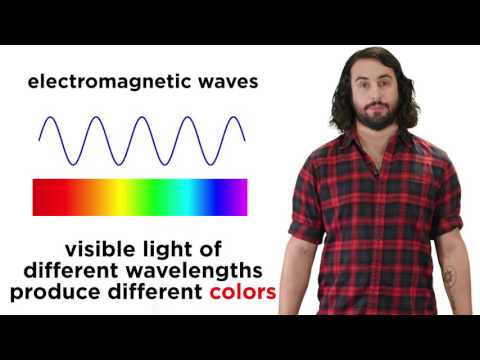
- Visible Light: This is the stuff we see every day—the colors of the rainbow! Our eyes can only detect a small part of the electromagnetic spectrum. It’s amazing how just changing wavelengths gives us different colors—violet has the shortest wavelength while red has the longest.
- X-rays: Oh man, these ones are important too! They help doctors see inside our bodies without any surgery. X-rays have very short wavelengths which allow them to penetrate soft tissues but not bones—hence why they show up so clearly on film.
The thing is, each type of electromagnetic radiation interacts with matter differently because of those wavelength variations I mentioned earlier. For example, longer wavelengths like radio waves pass right through buildings while shorter ones like X-rays can get absorbed by denser materials like bone.
You know what? I remember this one time I had to get an X-ray for my arm after an unfortunate mishap with a skateboard (who knew?). I was nervous but then learned how safe they actually are when used properly—it was wild! So yeah, every time we use these types of radiation in science or everyday life; we’re harnessing some pretty cool physics!
This whole range from radio waves to X-rays shows us just how versatile electromagnetic radiation is in both nature and technology. It’s everywhere around us—and who knows what other secrets it might hold? Just one more reason why science is flat-out amazing! So keep your eyes peeled; there’s always more to discover!
Exploring the 7 Types of Electromagnetic Radiation: A Ranked Guide from Highest to Lowest Energy
Alright, let’s get into the fascinating world of electromagnetic radiation! Seriously, this stuff is everywhere, and it’s not just about fancy science. You see it, feel it, and sometimes even smell it! So what are we talking about? Electromagnetic radiation is all around us—light from the sun, radio waves buzzing through the air, even the heat you feel when you stand by a fire. It all comes down to energy.
Let’s break it down into seven types of electromagnetic radiation ranked from highest to lowest energy. Each type has its own unique vibe and uh… purpose in our daily lives.
1. Gamma Rays
Gamma rays pack a serious punch! They’re at the top of the list when it comes to energy levels. These are produced by supernovae or radioactive decay—pretty intense stuff. They can penetrate most materials, which sounds cool but also means they can be harmful if you’re exposed too much. Think about how they’re used in medicine for cancer treatment; that’s some powerful stuff!
2. X-Rays
Next up are X-rays. You’ve probably had one at the dentist’s office or when getting checked for a broken bone. They have slightly less energy than gamma rays but enough to pass through soft tissue while being absorbed by denser materials like bones. It’s like looking at an ice cream cone where you can see everything inside but the cone!
3. Ultraviolet (UV) Radiation
Then we have UV radiation—hello sunburn! When your skin gets exposed to UV light, that’s this type at work. It has more energy than visible light but less than X-rays. Two categories exist within UV: UVA (longer wavelength) and UVB (shorter wavelength). Too much exposure can lead to skin damage and even cancer.
4. Visible Light
And here’s where things get colorful! Visible light is what our eyes can see—like a rainbow after rain or shimmering lights at a festival! This range has lower energy compared to UV rays and consists of different wavelengths that we perceive as colors—from red being the longest wave to violet being the shortest.
5. Infrared Radiation
Now let’s step down to infrared radiation, which is all about heat! You know that feeling when standing next to a warm heater? That warmth is infrared radiation in action! It’s used in remote controls and thermal imaging cameras too.
6. Microwaves
Next on our list are microwaves—a favorite for heating up leftovers quickly! These have longer wavelengths and lower energy levels than infrared rays but still pack enough power to excite water molecules in food, making them cook evenly.
7. Radio Waves
Lastly, we’ve got radio waves which are chill compared to everything else on this list—they have the lowest energy levels of electromagnetic radiation but hey, they still keep our music flowing through those airwaves! They help transmit signals for radios, televisions, and even cell phones.
So there you have it: gamma rays up top with their fierce energy down to radio waves chillin’ at the bottom of this electromagnetic spectrum! Who knew that so much was happening around us every day? It’s pretty mind-blowing when you think about how these different types interact with everything around us—from healing technologies to just enjoying your favorite songs on a lazy Sunday afternoon! Pretty cool stuff if you ask me!
Exploring Magnetism: Fundamental Principles and Applications in Modern Science
Magnetism is one of those things that’s all around us, although we often don’t notice it unless we really pause to think about it. When you think about magnets, what comes to mind? Maybe your fridge door covered in colorful little doodads? Well, there’s a whole world of physics simmering beneath the surface!
So, what is magnetism? At its core, it’s a force that can attract or repel certain materials. It happens because of tiny particles called electrons. These are like little dancers that move around in atoms. When they spin and align in a certain way—they create a magnetic field! This is basically the invisible force zone around magnets.
You might be wondering how this ties into electromagnetic radiation. Well, here’s where things get really interesting! Electromagnetic radiation is more than just light; it includes radio waves, microwaves, and X-rays too. All these waves are made up of oscillating electric and magnetic fields. Imagine them as waves rippling through space, sort of like those ripples you see when you toss a stone into a pond.
Now think about the types of electromagnetic radiation. They’re categorized by their wavelength; radio waves have the longest wavelengths while gamma rays have the shortest ones. And guess what? Magnetism plays a crucial role in how these waves behave and interact with matter.
For example:
- Radio Waves: Used for communication—like listening to your favorite radio station! They travel great distances thanks to their long wavelengths.
- Microwaves: These help heat up your food. In microwave ovens, they excite water molecules causing them to vibrate and produce heat.
- X-rays: Well known for medical imaging. Here’s where high-energy electromagnetic radiation interacts with tissues differently—allowing doctors to view bones without cutting anyone open.
But wait, there’s more! Magnetism isn’t just sitting around being cool; it has some serious applications too! You’ve heard of magnetic resonance imaging (MRI), right? It uses strong magnets and radio waves to create detailed images inside your body without any harmful effects.
And then there are supercomputers which use quantum bits—or qubits—that rely on magnetism for their incredible processing power. They function based on the principles of quantum mechanics that make use of electron spins!
It’s amazing how something so ubiquitous can have such profound effects on technology and science today. So next time you stick a note on your fridge or enjoy your leftover pizza from the microwave, remember: behind those simple actions lies a complex dance of physics and magnetism shaping our universe! Pretty cool stuff if you ask me!
You know, when we talk about electromagnetic radiation, it’s like looking at a giant rainbow that’s way more complicated than just colors. It’s not just about the visible light we see every day. There’s so much more out there, and it’s all around us, but we often don’t realize it!
There are these different types of electromagnetic radiation that range from radio waves to gamma rays. Can you imagine? Each type has its own unique properties and uses. Like, radio waves are those chill waves that carry music and podcasts through the air. They’re super long—think of them as gentle giants in the spectrum. Then you’ve got microwaves; those are the ones heating up your leftovers, which feels like a modern miracle when you think about it too much!
And then it gets pretty wild with infrared radiation! That’s what your remote control uses to chat with your TV. It’s like magic but based on science—how awesome is that? And don’t forget about visible light; that’s where we get our beautiful colors from and oh man, isn’t nature just stunning when the sunlight hits everything just right?
High energy stuff starts coming into play with ultraviolet radiation. A little bit can be great for your health; hello, vitamin D! But too much? Yikes! Sunburn city! And then there are x-rays, which let doctors peek inside us without a single cut—it’s kind of mind-blowing how that works, right?
But wait—let’s not skip over gamma rays. These are like the ninjas of the electromagnetic spectrum—super powerful and high energy. They’re great at zapping cancer cells in medical treatments but also remind us of how intense some cosmic events can be.
I remember this one time I was stargazing with friends and saw this amazing shooting star (actually a meteor). It made me think about all those intense processes happening out in space—like explosions creating gamma rays. Crazy stuff happens up there while we’re down here just chilling. It gives you perspective on how vast and energetic our universe is.
So yeah, electromagnetic radiation isn’t just some boring topic; it’s deeply woven into both our daily lives and the cosmos—all those different types interplaying in ways that shape our world in countless ways!