So, picture this: you’re in a biology class, and the teacher suddenly pulls up this super detailed diagram of the female body. I mean, there’s a ton of labels everywhere, right? And you’re just sitting there thinking, “Wow, why do I need to know this?”
Well, let me tell you. Understanding female anatomy isn’t just for med students or science nerds. It’s like having insider knowledge about how the amazing machine that is the human body works!
From hormones to organs and everything in between, it’s all connected in ways that are pretty mind-blowing. Plus, knowing this stuff can help break down stereotypes and myths floating around out there. Seriously!
So let’s hash it out together. You’ll see why this topic deserves way more attention than just being a line in your textbook!
Exploring Female Anatomy: A Comprehensive Study of Real-World Human Body Structures in Science
Exploring female anatomy is like delving into an intricate masterpiece, right? The human body, especially the female form, has so many fascinating structures that play key roles in various aspects of health and life. So let’s break this down, shall we?
First off, the reproductive system is one of the most talked-about parts. It includes organs like the ovaries, fallopian tubes, uterus, and vagina. Each has its own purpose—like how ovaries produce eggs and hormones. And did you know that in a woman’s lifetime, she might release around 400 to 500 eggs? That’s a lot!
And speaking of hormones, it’s super interesting how they influence everything from mood to physical changes. The cycle women go through every month isn’t just about reproduction; it affects energy levels and skin conditions too! Isn’t that wild?
Now let’s chat about the musculoskeletal system. Women generally have a wider pelvis compared to men. This isn’t just for aesthetics; it plays a major role during childbirth. The design helps accommodate a baby during delivery. It’s like nature really thought this one through!
Don’t forget about the nervous system. Women often have different pain thresholds and responses to medications because their nervous systems can be more sensitive. That means understanding anatomy isn’t just about structure; it’s also about function and differences!
And here’s something cool: the cardiovascular system. Women’s hearts can be smaller but work just as hard. They also tend to show different symptoms during a heart attack compared to men—often more subtle ones like fatigue or nausea instead of the classic chest pain.
Lastly, there are lots of differences between individual women: genetics, age, lifestyle choices—these all shape how anyone’s body functions! Everyone is unique in terms of anatomy and physiology.
Just remember: understanding female anatomy isn’t only for scientists or doctors; it’s important for everyone! Having knowledge helps in making informed health decisions. Seriously, knowing your own body is empowering!
Exploring Female Anatomy: A Comprehensive Guide to Female Reproductive Organs and Their Functions in Science
Sure! Let’s take a stroll through female anatomy, specifically focusing on the fascinating world of female reproductive organs and their functions. It’s a topic that deserves attention and understanding.
First off, the female reproductive system isn’t just about one organ; it’s like an incredible orchestra, with each player doing its part to create harmony. So, what do we have in this system? Let’s check it out!
Ovaries
These are like the rock stars of the reproductive system. You’ve got two of them, and they sit on either side of the uterus. Each month, usually one ovary releases an egg during ovulation. It’s like nature’s way of saying, “Hey, here’s my best shot!” The ovaries also produce hormones like estrogen and progesterone which are key players in regulating the menstrual cycle.
Fallopian Tubes
After an egg is released, it needs a ride! That’s where the fallopian tubes come in. These tubes connect the ovaries to the uterus. If sperm is around (thanks to some romance), fertilization can happen here. Seriously though, that tiny journey is super important—the egg travels down these tubes into the uterus.
Uterus
Now, let’s talk about this amazing organ! The uterus is often described as pear-shaped and is where a fertilized egg can implant and grow into a baby if everything goes right. The lining of the uterus thickens each month in preparation for a potential pregnancy—if no pregnancy occurs? Well, then it sheds during menstruation.
Cervix
At the lower end of the uterus is where you’ll find the cervix. This little gateway has a big job! It connects the uterus to the vagina and can open during childbirth to allow baby to make its grand entrance.
Vagina
And finally, we have the vagina—the exit door for menstrual fluid and babies alike! It also serves as a passage for sperm to enter during intercourse. The vagina is pretty resilient; it has amazing self-cleaning properties thanks to its natural balance of bacteria that keep things in check!
Now let’s not forget about menstrual cycles. Every month, hormones signal your body to prepare for possible pregnancy by thickening that uterine lining I mentioned earlier. If there’s no pregnancy? Your body sheds this lining—hello period!
So why does all this matter? Understanding female anatomy helps demystify so many aspects of health and well-being—from menstruation to reproduction and beyond! Plus, knowledge empowers you to make informed health choices.
It might seem complex at first glance—like learning how all those parts work together—but when you break it down piece by piece, it’s like connecting dots on an intricate map. Each organ plays its role with purpose.
In short: Female anatomy isn’t just science; it’s life itself unfolding in some truly beautiful ways!
Exploring Female Body Anatomy in 3D: A Comprehensive Scientific Perspective
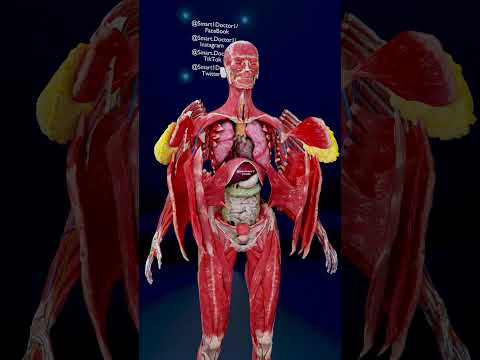
Exploring female body anatomy in 3D is like taking a trip through a fascinating landscape! Imagine being able to see every curve and contour in stunning detail. It’s important for understanding how our bodies work, why they react the way they do, and how we can take better care of ourselves.
Let’s start with the basics. The female body has unique structures, and when you break it down, it’s pretty cool. Here are some key areas:
- Reproductive System: This is probably the most talked-about part! It includes organs like the ovaries, fallopian tubes, uterus, and vagina. These all play vital roles in reproduction.
- Endocrine System: Hormones are kinda like messengers in your body. They help regulate everything from your mood to your metabolism. For females, hormones like estrogen and progesterone are super important.
- Circulatory System: The heart pumps blood throughout the body. Women can experience different symptoms of heart disease, so it’s essential to understand how it works for them specifically.
- Muskuloskeletal System: This includes bones and muscles! Women tend to have wider hips which affects not just movement but also conditions like osteoporosis differently than men.
Seeing these structures in 3D helps bring them to life—literally! A few years ago, I attended a workshop where they showed us a 3D model of the female reproductive system. Honestly, seeing everything laid out like that made me appreciate just how incredible our bodies really are! I remember thinking about how something as simple as understanding these parts could make conversations about health way more comfortable.
When talking about female anatomy comprehensively, context matters too. For instance, certain conditions can affect women differently than men; think about menopause or pregnancy-related changes. Understanding that anatomy allows healthcare providers to tailor their approaches for better outcomes.
On top of that, educating others using 3D models or virtual reality can break down barriers around these discussions. You know how some topics can feel awkward? Well, representing them visually in a non-threatening way makes it easier for everyone involved.
In short—female body anatomy is intricate yet stunningly beautiful! Diving into this topic with both curiosity and compassion can lead us to better health practices while helping others feel more at ease discussing their own bodies.
So yeah, exploring this field isn’t just academic; it’s personal too! Whether you’re a student or someone curious about health education or simply wanting to learn more—it opens doors for everyone involved.
You know, anatomy can seem a bit dry sometimes, especially when we’re talking about female bodies. But honestly, it’s super fascinating! I remember the first time I learned about the intricacies of female anatomy during a biology class in high school. We were studying reproduction, and my teacher brought in this huge poster showing all the parts—like ovaries, fallopian tubes, and the uterus—and it was like a light bulb went off in my head. It made me realize how much is going on inside our bodies.
Female anatomy isn’t just about reproductive organs; it’s an entire system that works together. I mean, think about it: organs like the heart and lungs are part of every human body’s story. Yet, when we focus on women’s health or physiology, these essential parts often get left out or glossed over in favor of the reproductive system. It’s not right! Understanding how everything works together is so important.
And here’s the kicker: Most medical research has historically been done on males. This has led to gaps in knowledge about how certain conditions affect women differently or even how medications might work differently in females compared to males. That’s why outreach efforts are so crucial. They help raise awareness about female health issues and encourage everyone to learn more deeply about both anatomy and physiology.
What really strikes me is how vital this education can be for young girls growing up today. When they learn about their bodies—like understanding their menstrual cycles or recognizing signs of hormonal changes—it empowers them! They start to see themselves as more than just physical beings; they become curious explorers of their own health.
In essence, promoting knowledge about female full body anatomy fosters confidence and self-advocacy. And that feeling? It’s priceless! When you truly know your body, you can take charge of your health journey with so much more confidence.
So yeah, every time we talk about female anatomy—be it in classrooms or community workshops—we’re not just sharing facts. We’re creating a narrative that encourages understanding and respect for our bodies—something we all need to embrace a little more each day!